Set the Ideal Fridge Temperature to Keep Food Fresh
Finding the right temperature in your fridge isn’t just a matter of comfort—it directly impacts how long your groceries stay safe and tasty. Most people set the dial and forget about it, assuming the appliance will magically maintain the perfect chill. In reality, a few simple adjustments can extend the shelf life of everything from leafy greens to leftovers, and even reduce energy bills. Let’s walk through the science, the numbers, and the practical steps you need to master your refrigerator’s climate.
Why Temperature Matters
Cold isn’t a one‑size‑fits‑all solution. Bacteria multiply rapidly between 40 °F (4 °C) and 140 °F (60 °C), a range known as the “danger zone.” Keeping your fridge below that threshold slows spoilage and preserves nutrients. At the same time, temperatures that are too low can cause freezer burn on items stored in the crisper or make certain produce wilt faster. Striking the balance ensures you’re not unintentionally tossing out perfectly good food.
What Temperature Is Considered “Right”?
Industry standards recommend a fridge setting of 35 °F to 38 °F (1.7 °C to 3.3 °C). This range is cool enough to inhibit most bacterial growth while staying above the freezing point of water, so ice won’t form in your lettuce drawer. Your freezer, by contrast, should sit at 0 °F (‑18 °C) for optimal long‑term storage. If you have a side‑by‑side model with separate controls, treat each compartment independently; a common mistake is assuming a single dial will suffice for both.
How to Adjust Your Fridge Settings
- Locate the thermostat. In newer models it’s often a digital panel; older units use a numbered dial ranging from 1 (warm) to 7 (cold).
- Set a baseline. Start with the middle setting—usually “3” or “4” on a dial, or “5 °C” on a digital display.
- Give it time. After adjusting, close the door and let the fridge run for 24 hours before checking the temperature with an appliance thermometer.
- Fine‑tune. If the thermometer reads above 38 °F, lower the setting by one notch; if it’s below 35 °F, raise it one notch. Repeat the 24‑hour wait after each change.
- Document. Write the final setting on a sticky note and place it near the control panel. This helps everyone in the household keep the temperature consistent.
Tips for Maintaining Consistent Cold
- Keep the door sealed—check the gasket for cracks or food debris that can let warm air in.
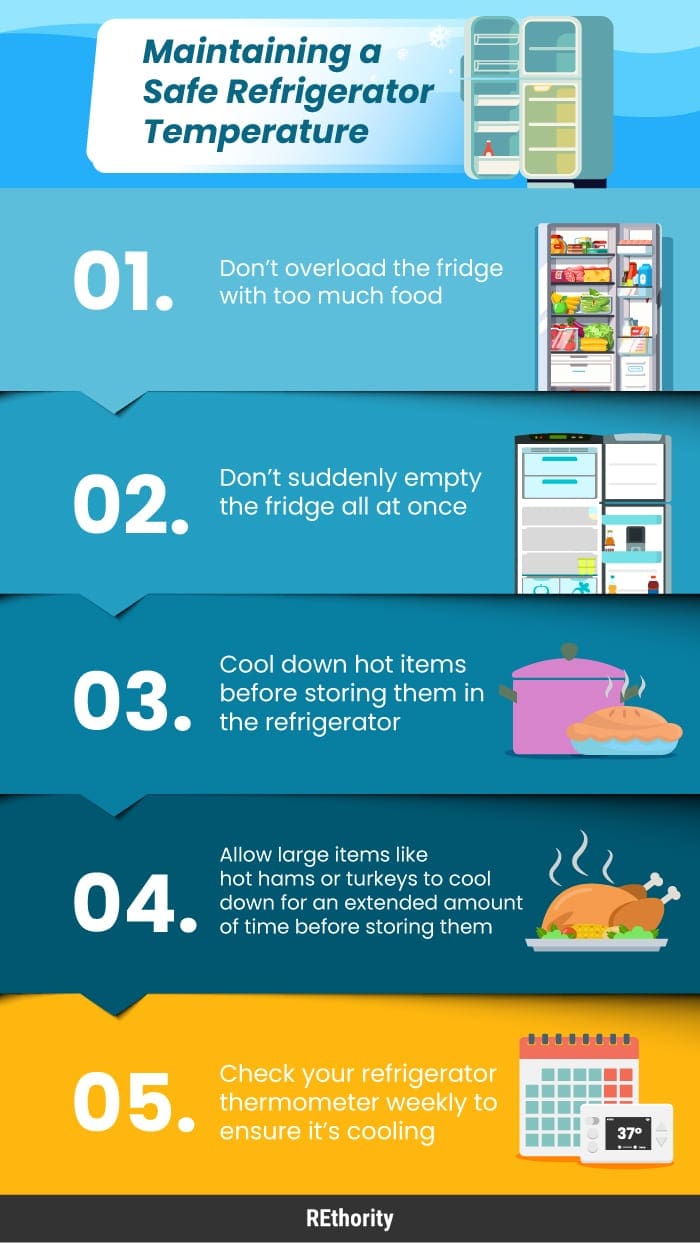
- Don’t overload the shelves; air needs to circulate to reach every corner.
- Store raw meat on the bottom shelf to prevent drips onto ready‑to‑eat foods.
- Avoid placing hot leftovers directly in the fridge; let them cool to room temperature first.
- Leave a small gap behind the fridge for proper ventilation; a cramped space can cause the compressor to overwork.
Common Mistakes to Avoid
Many households think that “colder is better,” but cranking the dial to the coldest setting can actually waste energy and freeze delicate items. Another frequent error is placing the thermometer in the door compartment, where temperatures fluctuate each time you open it. For accurate readings, put the probe in the middle shelf, away from walls and vents. Finally, remember that opening the door repeatedly—especially during cooking prep—introduces warm air and can push the internal temperature out of the safe range.
When to Call a Professional
If you’ve followed the adjustment steps and the temperature still wanders beyond the 35‑38 °F window, the issue may be mechanical. A failing thermostat, a dirty condenser coil, or a weak compressor can all cause erratic cooling. In these cases, a qualified appliance technician can diagnose the fault and prevent a total breakdown. Attempting DIY repairs on sealed‑system components is risky and could void warranties.
FAQ
What’s the best temperature for a fridge that also stores medication?
Most over‑the‑counter medicines recommend storage below 77 °F (25 °C). Keeping the fridge at 35‑38 °F satisfies both food safety and medication guidelines, but avoid placing meds in the freezer compartment.
Can a fridge be too warm in the summer?
Yes. Ambient temperatures above 90 °F (32 °C) force the compressor to work harder, which can raise the internal temperature by a few degrees. In such heatwaves, consider a temporary temperature check and, if needed, lower the thermostat by one setting.
Do I need a separate thermometer for the freezer?
It’s a good idea. While many modern freezers have built‑in digital displays, a dedicated freezer thermometer verifies that the compartment truly stays at 0 °F, especially in older models.
How often should I recalibrate my fridge’s temperature?
Check the reading at least once a month, or whenever you notice changes in food freshness. Seasonal shifts—like turning the heat on in winter—can also affect internal temperatures.