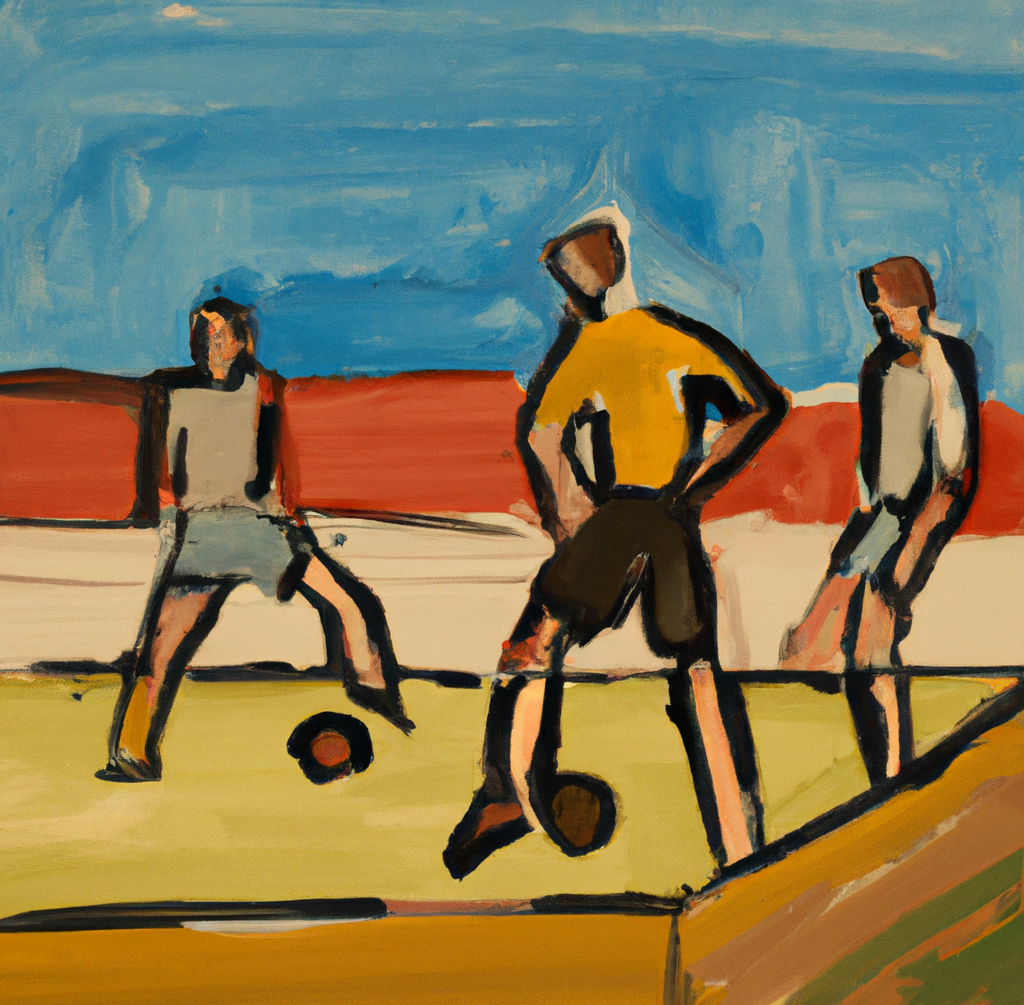
Soccer's Game and Global Impact: A Deep Dive
From the Pitch to the Streets: What Makes Soccer Tick
When you step onto a soccer field, the first thing you notice is the simplicity of the equipment: a ball, two goals, and eleven players on each side. Yet beneath that surface lies a web of rules, strategies, and split‑second decisions that turn a casual kick‑about into a sport that can stir entire nations. The basic objective—score more goals than the opponent—remains unchanged, but the ways teams achieve it have multiplied dramatically over the past century.
Modern soccer blends individual flair with collective movement. A forward’s dribble might be dazzling, but without timing a through‑ball from a midfielder, it rarely ends in a goal. Defensive lines press, shift, and fall back in coordinated patterns that can look like a chess match in motion. Understanding these layers helps explain why the sport feels both instinctive and endlessly analytical.
The Evolution of Tactics: From WM to False Nine
Early formations such as the WM (3‑2‑2‑3) emphasized a rigid, pyramid‑like shape. Coaches later introduced the 4‑4‑2, which balanced defense and attack but still relied on a clear division of labor. The 1990s saw the rise of the 3‑5‑2, allowing wing‑backs to flood the flanks while keeping a solid back three.
Today's most influential innovation is the “false nine”—a forward who drops deep, pulling defenders out of position and creating space for wingers and attacking midfielders. Teams like Barcelona and Manchester City have built entire seasons around this fluid approach, showing how a single tactical tweak can reshape the entire rhythm of play.
Culture in Motion: Soccer as a Shared Language
Beyond tactics, soccer functions as a cultural bridge. In Brazil, the sport is woven into samba rhythm; in England, it’s a staple of pub conversation; in Japan, it’s an avenue for post‑war unity. Fans adopt chants, colors, and rituals that echo local histories while simultaneously belonging to a global community.
Consider the World Cup anthem—a simple melody that travels from stadium to street corner, sung in dozens of languages. That shared soundtrack illustrates how a game can translate emotion across borders, making strangers feel like teammates in a massive, invisible squad.
Economic Ripples: From Ticket Sales to Global Brands
The financial engine behind soccer runs hotter than most realize. Ticket revenue, broadcast rights, and merchandise sales generate billions each year. A single World Cup can lift the host nation’s GDP by a noticeable margin, thanks to tourism, infrastructure upgrades, and the surge in global brand exposure.
Corporate sponsors also ride the wave. Companies like Adidas, Coca‑Cola, and Qatar Airways invest heavily in player endorsements and tournament naming rights, betting that the sport’s massive audience will translate into brand loyalty. Even lower‑division clubs feel the effect, as streaming platforms now broadcast matches that once only local fans could attend.
Social Impact: Unity, Identity, and Sometimes Controversy
Soccer’s reach extends into the social fabric of communities. Grassroots programs provide at‑risk youth with structure, teamwork, and mentorship. In many cities, local clubs act as safe havens, offering an alternative to street violence or drug use.
Yet the sport isn’t immune to controversy. Issues like racism in stadiums, gender inequality, and the exploitation of young talent in certain regions spark heated debates. The growing visibility of women’s leagues, however, signals progress—a testament to how the game can evolve alongside societal expectations.
Technology on the Field: VAR, Data Analytics, and Fan Experience
Video Assistant Referee (VAR) technology, introduced in major tournaments in the late 2010s, aims to reduce clear errors. While purists argue it disrupts flow, many accept it as a necessary step toward fairness. Meanwhile, data analytics—tracking player heat maps, sprint speeds, and pass success rates—has become a coaching staple.
Fans, too, benefit from tech. Augmented reality apps let spectators view real‑time player stats overlayed on the match, while virtual ticket platforms bring stadium atmospheres to living rooms worldwide. This digital layer deepens engagement, making the sport more immersive than ever before.
Why the World Keeps Watching
At its core, soccer offers a narrative arc that resonates universally: underdogs triumph, legends rise, and the collective heartbeat of a crowd can sway the outcome. Whether you’re a child chasing a ball in a dusty alley or a billionaire watching from a private box, the emotional stakes feel remarkably similar.
That blend of simplicity, strategy, and shared experience explains why the game transcends borders, languages, and economic status. It remains a living, breathing phenomenon that adapts to cultural shifts while retaining its timeless charm.
FAQ
- How many players are on a soccer team during a match? Each side fields eleven players, including a goalkeeper, though variations exist in formats like futsal or five‑aside.
- What is the most watched soccer event worldwide? The FIFA World Cup consistently tops global viewership charts, drawing billions of eyes across continents.
- How does soccer influence local economies? Major tournaments boost tourism, create temporary jobs, and stimulate infrastructure projects, often leaving lasting economic footprints.
- Why is VAR controversial? Critics claim it interrupts the game's flow and introduces subjectivity, while supporters argue it corrects clear mistakes and promotes fairness.