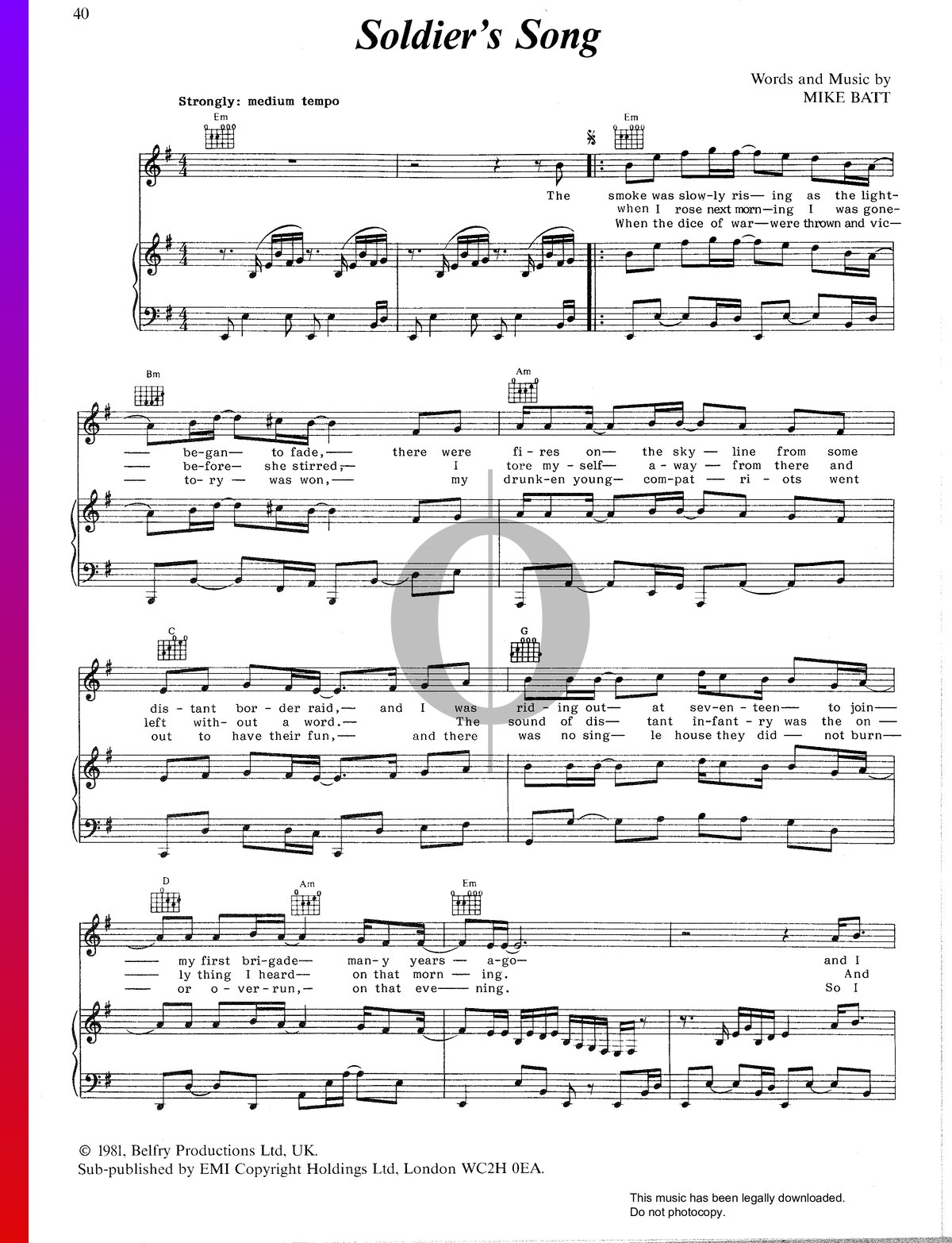
Soldier Songs: The Stories and Emotions Behind Music and War
Soldier songs have been a part of human culture for centuries, providing a unique glimpse into the emotions, struggles, and stories of those who have served in the military. From traditional folk ballads to modern rock anthems, music has played a significant role in capturing the complexities of war and its impact on individuals and society. In this article, we'll explore the world of soldier songs, delving into their history, significance, and the powerful stories they tell.
One of the most iconic examples of soldier songs is "The Battle Hymn of the Republic," written by Julia Ward Howe in 1861. This classic American song has become an anthem for patriotism and sacrifice, with its haunting melody and powerful lyrics evoking the horrors of war and the struggle for freedom. Similarly, "Taps," a bugle call written by Oliver Norton in 1862, has become a poignant symbol of military funeral rites, its mournful notes echoing through the ages to honor the fallen.
The Evolution of Soldier Songs
Throughout history, soldier songs have evolved to reflect the changing face of war and the experiences of those who fight it. In World War I, songs like "Over There" and "It's a Long Way to Tipperary" became popular anthems, boosting morale and nationalism among soldiers and civilians alike. During World War II, the likes of "We'll Meet Again" and "White Cliffs of Dover" captured the longing and nostalgia of those separated by war. In the Vietnam War era, protest songs like "Fortunate Son" and "War" became rallying cries for the anti-war movement, giving voice to the disillusionment and outrage of a generation.
In recent years, soldier songs have continued to adapt, addressing the complexities of modern warfare and the struggles of contemporary soldiers. Artists like Bruce Springsteen, Neil Young, and Jason Isbell have written powerful songs about the Iraq and Afghanistan wars, exploring themes of duty, sacrifice, and the human cost of conflict. These songs not only reflect the experiences of soldiers but also provide a platform for social commentary and critique, sparking important discussions about the role of war in our society.
The Emotional Power of Soldier Songs
Soldier songs have a unique ability to evoke strong emotions, from patriotism and pride to sorrow and regret. They often capture the contradictions of war, conveying the bravery and camaraderie of soldiers while also acknowledging the trauma and loss that can result from conflict. In many cases, soldier songs serve as a form of catharsis, allowing those who have experienced war to process their emotions and find solace in the knowledge that they are not alone.
For example, the song "Hurt" by Nine Inch Nails, covered by Johnny Cash in 2003, is a haunting meditation on the consequences of war and the struggle to find redemption. Similarly, the song "Brothers in Arms" by Dire Straits is a poignant tribute to the bonds of friendship and loyalty that form between soldiers, even in the face of extreme adversity. These songs, and many others like them, demonstrate the enduring power of music to capture the human experience and to provide a voice for those who have been affected by war.
The Legacy of Soldier Songs
The legacy of soldier songs is a complex and multifaceted one, reflecting both the positive and negative aspects of war and its impact on society. On one hand, these songs have played a significant role in boosting morale, promoting patriotism, and honoring the sacrifices of soldiers. On the other hand, they have also been used to critique the excesses of war, to challenge social norms, and to advocate for peace and justice.
As we look to the future, it's clear that soldier songs will continue to be an important part of our cultural landscape. Whether they are written by soldiers themselves or by artists who seek to honor their experiences, these songs have the power to educate, to inspire, and tochallenge our assumptions about war and its consequences. By exploring the stories and emotions behind soldier songs, we can gain a deeper understanding of the human cost of conflict and the importance of promoting peace, empathy, and understanding in our world.
Frequently Asked Questions
- What is the purpose of soldier songs? Soldier songs serve a variety of purposes, including boosting morale, promoting patriotism, and honoring the sacrifices of soldiers. They can also be used to critique the excesses of war, to challenge social norms, and to advocate for peace and justice.
- Who writes soldier songs? Soldier songs are written by a wide range of individuals, including soldiers themselves, musicians, and poets. They may be written from personal experience, or they may be inspired by the experiences of others.
- What is the significance of soldier songs in modern society? Soldier songs continue to play an important role in modern society, providing a platform for social commentary and critique, and sparking important discussions about the role of war in our world. They also serve as a reminder of the human cost of conflict and the importance of promoting peace, empathy, and understanding.
- How have soldier songs evolved over time? Soldier songs have evolved significantly over time, reflecting the changing face of war and the experiences of those who fight it. They have adapted to new technologies, new conflicts, and new social contexts, while continuing to capture the emotions, struggles, and stories of soldiers and civilians alike.