Sports Medicine Doctor Salary: What To Expect In 2025
Choosing a career in sports medicine is often driven by a passion for movement, recovery, and the thrill of helping athletes return to the game they love. But behind the white coat and the sideline presence is a significant financial consideration. For medical professionals and students weighing their options, understanding the salary landscape is crucial. The earning potential for a sports medicine physician varies wildly depending on their specific role, the type of facility they work in, and where they practice.
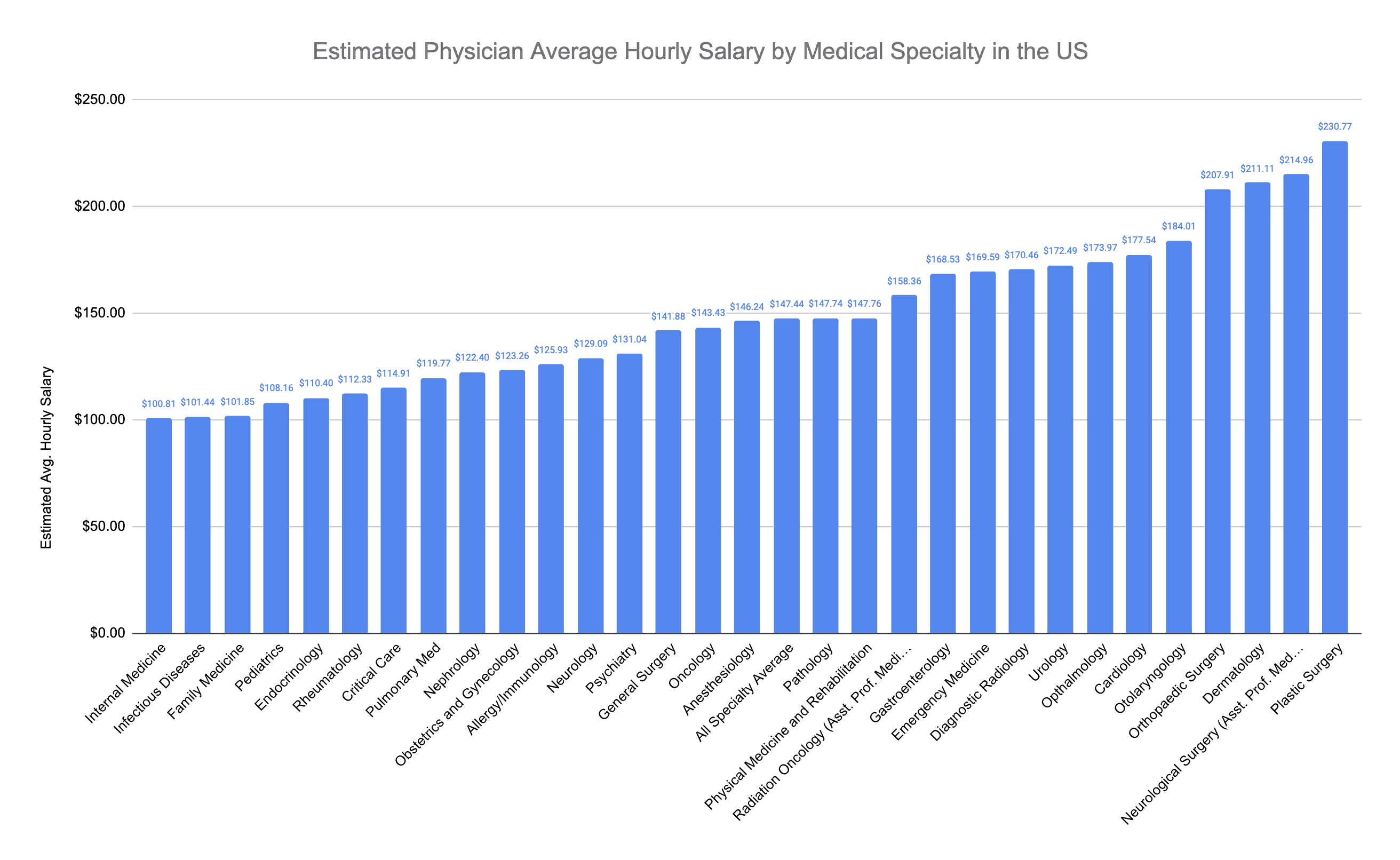
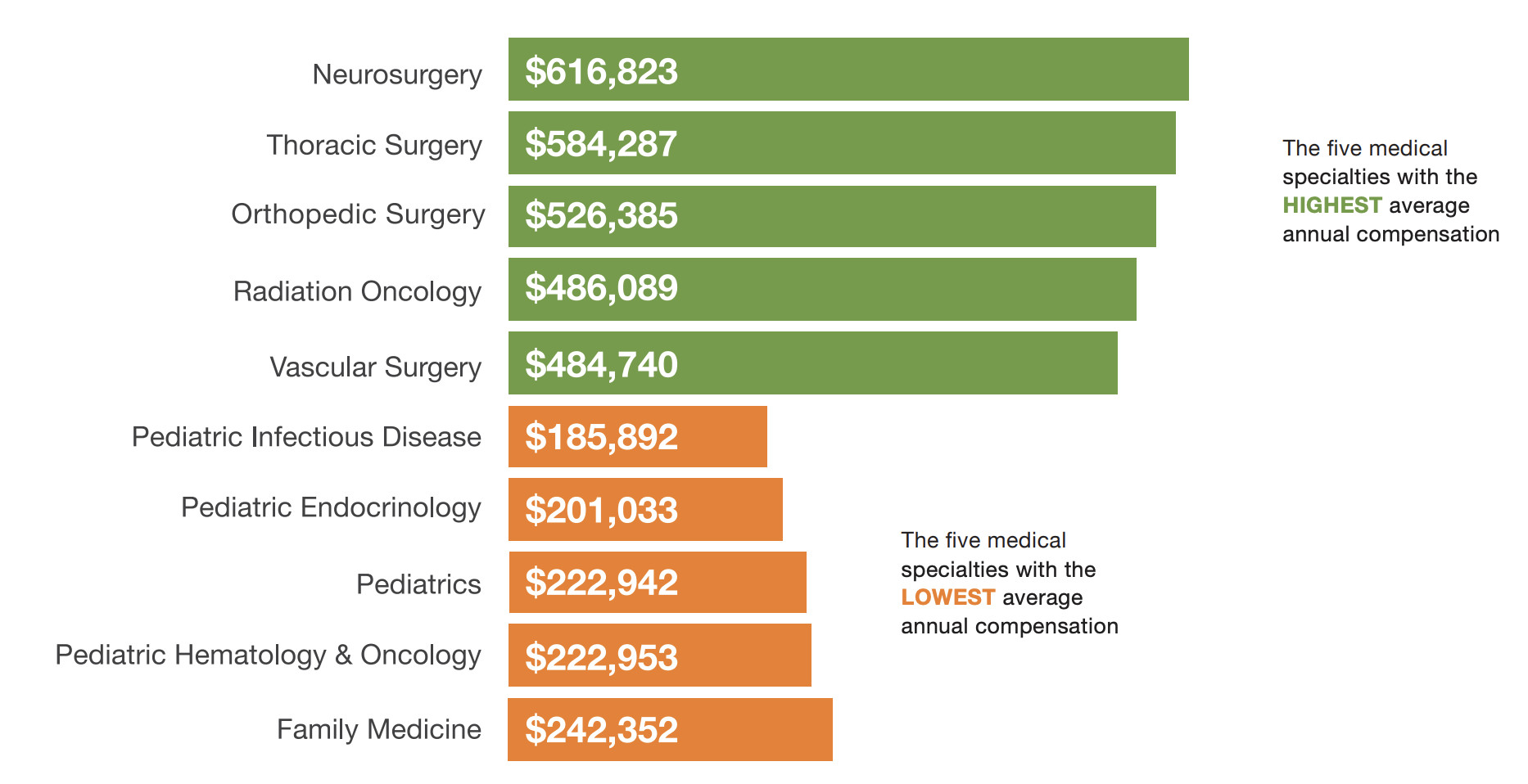
If you are looking at the raw numbers, the data can be a bit of a mixed bag. Generally speaking, salaries range from the low $100,000s to well over $300,00+. To get a clear picture of what to expect, we need to break down the different types of doctors who practice in this field, because "sports medicine doctor" is often a catch-all term for two very different career paths.
The Big Split: Primary Care vs. Orthopedic Surgery
The most significant factor influencing your salary is whether you are a non-operative physician or an orthopedic surgeon. This distinction creates a massive pay gap that is often overlooked in general discussions.
Primary Care Sports Medicine Physicians
Many doctors in this field start as family physicians, internal medicine doctors, or pediatricians who then complete a fellowship in sports medicine. These doctors focus on non-surgical treatments. They diagnose injuries, manage rehabilitation, prescribe physical therapy, and handle injections. Because their scope of practice is non-operative, their compensation typically mirrors that of other primary care specialists.
On average, these physicians can expect to earn between $250,000 and $350,000 annually. While this is a very comfortable income, it is significantly lower than their surgical counterparts. The trade-off here is often lifestyle and procedure volume. Non-operative doctors usually have more predictable hours, less administrative burden related to OR scheduling, and a focus on longitudinal patient care rather than acute surgical interventions.
Orthopedic Surgeons with a Sports Medicine Focus
This is where the numbers skyrocket. Orthopedic surgeons who specialize in sports medicine (often dealing with ACL reconstructions, rotator cuff repairs, and meniscus repairs) are among the highest-paid specialists in medicine. Since they perform billable surgical procedures, their revenue generation is much higher.
The average salary for an orthopedic sports surgeon typically lands between $400,000 and $600,000+. In high-volume private practices or in regions with high demand, this figure can exceed $700,000. However, this comes with a different set of challenges. These roles often require longer hours, high-volume surgical workflows, and the liability that comes with operating on high-profile athletes or active individuals.
How Setting and Location Impact Pay
Where you work matters just as much as what you do. The setting of your practice dictates your compensation structure and, consequently, your total take-home pay.
- Private Practice: This is often where salaries are highest. Surgeons in private practice may have a base salary plus a production bonus based on the volume and complexity of surgeries they perform. There is an uncapped ceiling for earnings here, driven by your productivity.
- Academic/University Hospitals: Salaries here tend to be lower, often in the $200,000 to $300,000 range for non-operative doctors. However, these roles offer prestige, teaching opportunities, and a chance to work with elite university athletes. The financial upside is offset by the intellectual fulfillment and job security.
- Employer/Corporate Health: Working for large sports teams or corporate health systems often provides a stable salary with excellent benefits, but the ceiling is usually fixed. You are less likely to see the massive production bonuses found in private practice.
Geography also plays a role. Urban centers with high costs of living often have higher compensation packages, but the competition is fierce. Conversely, rural or underserved areas may offer signing bonuses or higher base salaries to attract talent, especially if you are willing to cover a large population with fewer specialists.
Experience and the Learning Curve
Like any profession, you don’t start at your peak earning potential. Recent fellows or attendings in their first few years of practice often command a lower salary as they build their referral network and gain procedural confidence. It usually takes three to five years to reach full billing velocity, especially for surgeons.
As you gain experience, your value increases. Established physicians with a reputation for successful outcomes and strong patient relationships can negotiate better contracts. Additionally, those who develop niche skills—such as arthroscopic expertise or specialized injection techniques—may find themselves in higher demand, allowing for better compensation negotiations.
Frequently Asked Questions
Is sports medicine considered a high-stress career?
It varies by role. Orthopedic surgeons face high stress due to surgery requirements, on-call duties, and the need for immediate problem-solving. Primary care sports medicine physicians often report better work-life balance, though they still deal with the pressure of managing athletic returns and patient expectations.
Do I need to be a surgeon to make a high salary in sports medicine?
Not necessarily, but it helps. While orthopedic surgeons earn the most, non-operative physicians can still achieve comfortable salaries, especially if they work in private practice with a high patient volume. Some also supplement income through sideline coverage for sports leagues or private consultations.
How does the job outlook compare to other medical fields?
The demand for sports medicine is growing, driven by an aging population staying active and the increasing popularity of youth sports. This means good job security across most regions, though the competition for elite team positions is intense.
Ultimately, the salary you earn in sports medicine will reflect the path you choose. If you are drawn to the operating room and willing to take on the associated workload, the financial rewards are substantial. If you prefer a balance of lifestyle and patient care, the non-operative route offers a solid, respectable income without the extreme hours. Either way, it remains a rewarding field for those passionate about human performance and recovery.