Spotting Fake PayPal News: Stay Safe Online
PayPal is one of the most widely used online payment platforms in the world, making it a prime target for scammers and phishers. Fake PayPal news and updates can be particularly convincing, leading to unsuspecting users handing over sensitive information or installing malware on their devices. In this article, we'll explore the ways to spot fake PayPal news and stay safe online.
With the rise of online transactions, it's essential to be vigilant when it comes to your financial information. Scammers often use fake news and updates to create a sense of urgency, tricking users into taking action without verifying the authenticity of the information. By being aware of the common tactics used by scammers, you can significantly reduce the risk of falling victim to these types of attacks.
Common Tactics Used by Scammers
Scammers use various tactics to trick PayPal users into divulging sensitive information or installing malware on their devices. Some common tactics include:
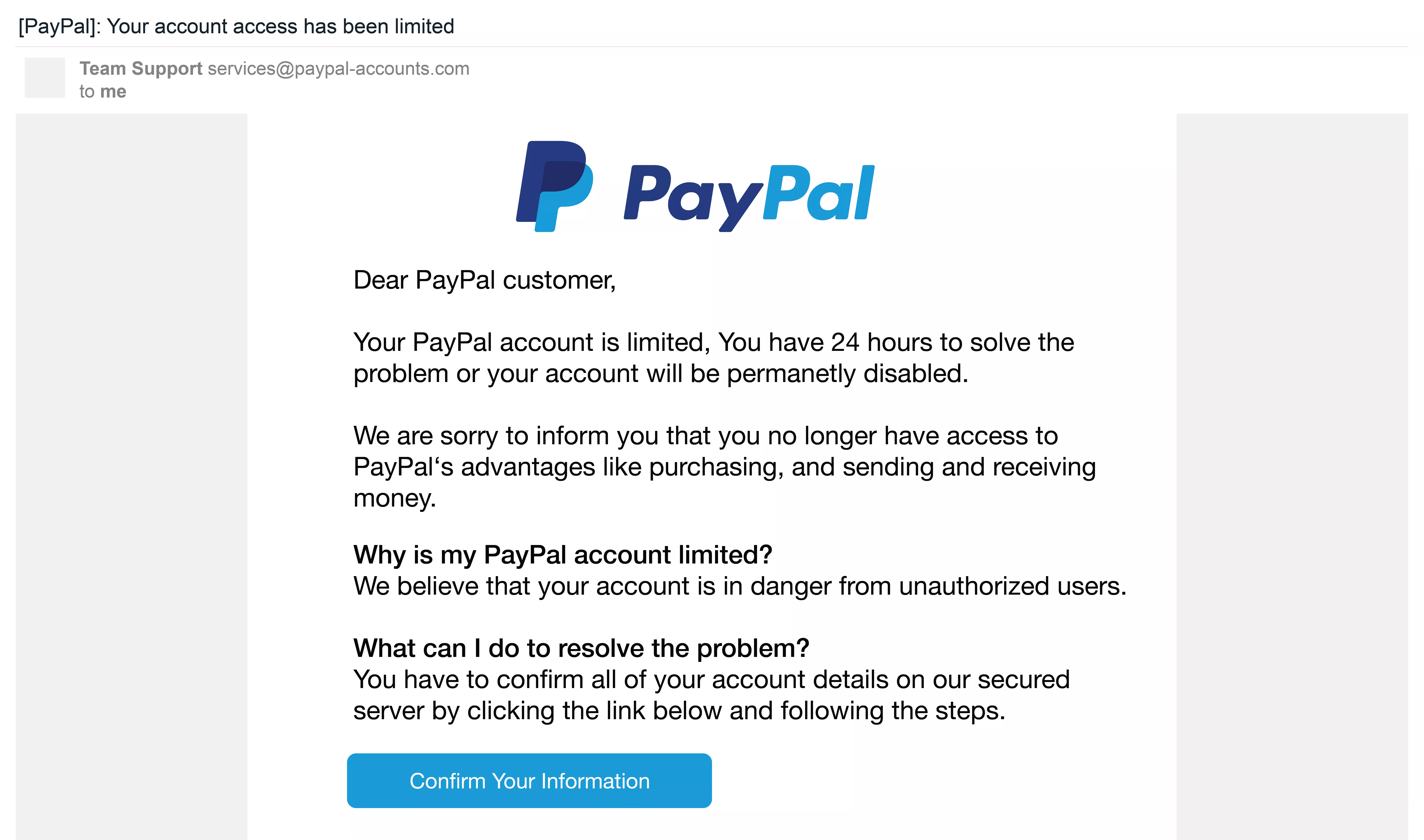
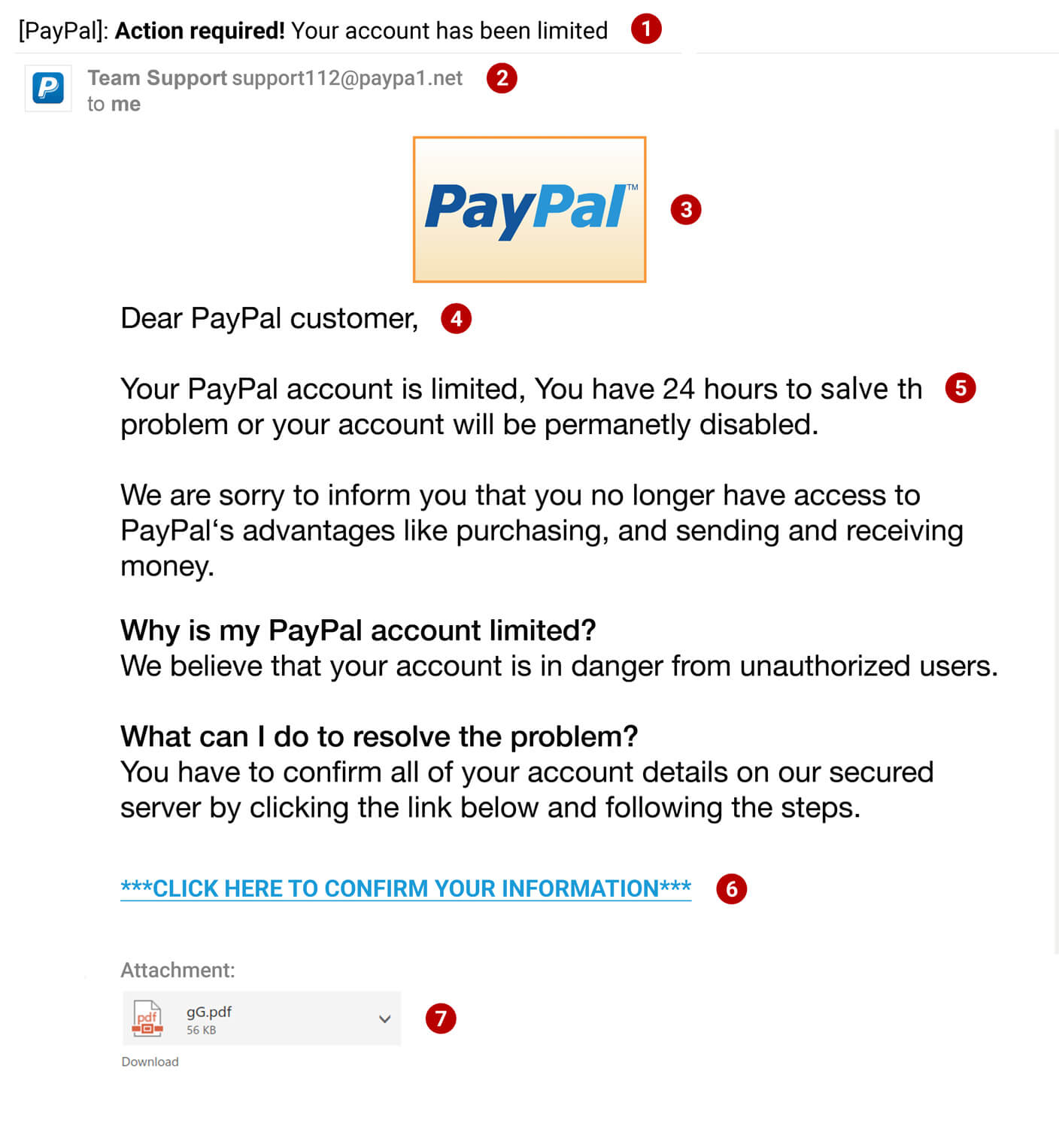
- Phishing emails: Scammers send fake emails that appear to be from PayPal, asking users to verify their account information or update their security settings.
- Fake news articles: Scammers create fake news articles or blog posts that claim to be from reputable sources, discussing fake PayPal updates or security breaches.
- Malicious links: Scammers share malicious links on social media or via email, which, when clicked, install malware on the user's device or redirect them to a fake PayPal login page.
These tactics can be highly convincing, especially if you're not familiar with the usual communication channels used by PayPal. However, there are ways to spot fake PayPal news and stay safe online.
How to Spot Fake PayPal News
To avoid falling victim to fake PayPal news, it's essential to verify the authenticity of any information that seems suspicious or too good (or bad) to be true. Here are some tips to help you spot fake PayPal news:
- Check the source: Verify that the information is coming from an official PayPal source, such as the company's website, social media, or email.
- Be cautious of urgent messages: Scammers often create a sense of urgency to prompt users into taking action without verifying the information. Be wary of messages that claim your account will be closed or suspended if you don't take immediate action.
- Look for spelling and grammar mistakes: Official PayPal communications are typically well-written and free of errors. If you notice spelling or grammar mistakes, it may be a sign of a fake message.
- Don't click on suspicious links: Avoid clicking on links from unknown sources, especially if they ask you to log in to your PayPal account or provide sensitive information.
By being cautious and verifying the authenticity of any information that seems suspicious, you can significantly reduce the risk of falling victim to fake PayPal news.
Staying Safe Online
In addition to being aware of fake PayPal news, it's essential to take steps to stay safe online. Here are some tips to help you protect your online security:
- Use strong passwords: Use unique and strong passwords for your PayPal account and other online accounts.
- Enable two-factor authentication: Enable two-factor authentication (2FA) to add an extra layer of security to your PayPal account.
- Keep your devices and software up to date: Regularly update your devices and software to ensure you have the latest security patches and features.
- Be cautious of public Wi-Fi: Avoid using public Wi-Fi to access your PayPal account or other sensitive information, as it may not be secure.
By following these tips and being aware of the common tactics used by scammers, you can significantly reduce the risk of falling victim to fake PayPal news and stay safe online.
Conclusion
In conclusion, spotting fake PayPal news requires a combination of awareness, caution, and vigilance. By being aware of the common tactics used by scammers and taking steps to verify the authenticity of any information that seems suspicious, you can significantly reduce the risk of falling victim to these types of attacks. Remember to always prioritize your online security and take steps to protect your sensitive information.