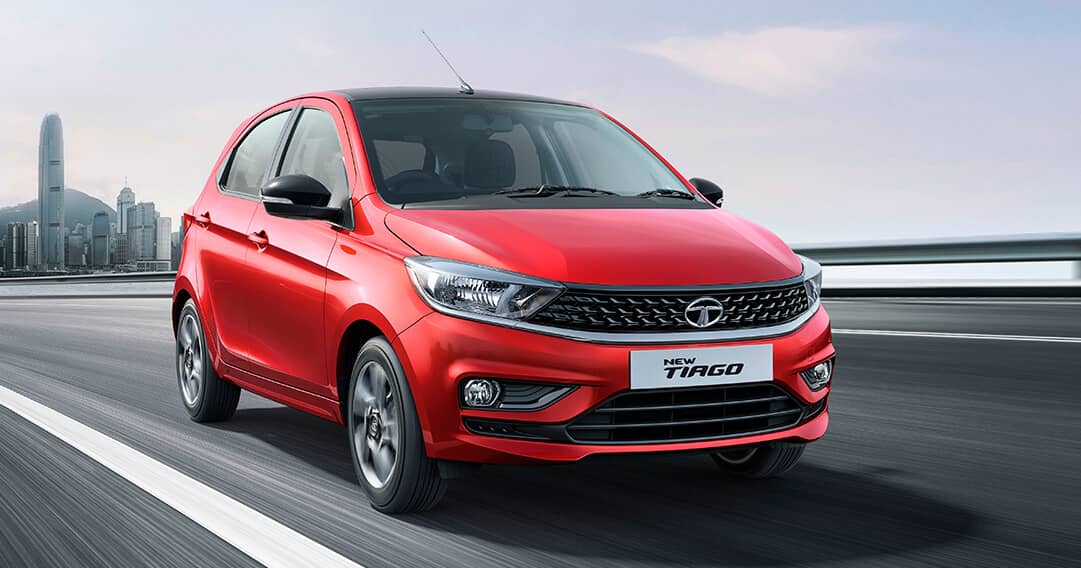
Starting a Second-Hand Car Business in India: A Comprehensive Guide
India's used car market has experienced significant growth in recent years, driven by increasing demand for affordable vehicles. If you're considering starting a second-hand car business in India, you're on the right track. However, navigating the complex market can be challenging, especially for newcomers. In this guide, we'll walk you through the process of starting a successful second-hand car business in India.
To begin with, it's essential to understand the Indian used car market. The market is largely unorganized, with a significant portion of sales taking place through individual transactions. However, the trend is shifting towards organized players, with many companies setting up used car dealerships and online platforms. As a new entrant, you'll need to differentiate yourself from existing players and establish a strong reputation in the market.
Research and Planning
Before starting your business, conduct thorough market research to understand the demand and supply dynamics. Identify your target audience, their preferences, and the most in-demand models. You'll also need to research your competition, their pricing strategies, and marketing tactics. Based on your research, create a comprehensive business plan outlining your goals, target market, marketing strategies, and financial projections.
Some key aspects to consider when creating your business plan include:
- Initial investment: Determine how much capital you'll need to start your business, including costs such as inventory, marketing, and infrastructure.
- Business model: Decide whether you'll operate as a dealership, online marketplace, or auction house.
- Target market: Identify your target audience, including their demographics, preferences, and purchasing power.
- Marketing strategies: Develop a plan to reach your target audience, including online and offline marketing tactics.
Registration and Licensing
To operate a second-hand car business in India, you'll need to register your company and obtain the necessary licenses. You can register your business as a sole proprietorship, partnership, or private limited company. You'll also need to obtain a GST registration, as the sale of used cars is subject to GST.
In addition to registration, you'll need to obtain licenses from the relevant authorities, such as the Road Transport Office (RTO) and the local municipal corporation. You may also need to obtain a dealer license from the state transport department.
Inventory Sourcing and Management
Sourcing high-quality inventory is crucial to the success of your second-hand car business. You can source cars from various channels, including:
- Individual sellers: You can purchase cars directly from individual sellers, either through online marketplaces or through referrals.
- Auctions: You can participate in car auctions, either online or offline, to purchase cars at competitive prices.
- Trade-ins: You can accept trade-ins from customers who are purchasing new cars from your dealership.
Once you've sourced your inventory, you'll need to manage it effectively. This includes inspecting and certifying the vehicles, pricing them competitively, and showcasing them in a presentable manner.
Marketing and Sales
Effective marketing and sales strategies are critical to the success of your second-hand car business. You can use a combination of online and offline marketing tactics to reach your target audience, including:
- Online marketplaces: You can list your inventory on online marketplaces, such as OLX, Quikr, or Cars24.
- Social media: You can leverage social media platforms, such as Facebook or Instagram, to showcase your inventory and engage with potential customers.
- Print and online advertising: You can advertise your business in local newspapers, magazines, or online portals.
In terms of sales, you'll need to train your staff to be knowledgeable about the cars they're selling and to provide excellent customer service. You'll also need to establish a transparent and efficient sales process, including financing options and after-sales support.
Challenges and Opportunities
Starting a second-hand car business in India can be challenging, with many players already operating in the market. However, there are also opportunities for growth and differentiation. Some of the key challenges you may face include:
- Competition: The Indian used car market is highly competitive, with many established players operating in the market.
- Quality and pricing: Ensuring that your inventory is of high quality and priced competitively can be a challenge.
- Regulatory compliance: You'll need to comply with various regulations, including GST and RTO regulations.
Despite these challenges, there are opportunities for growth and differentiation. You can focus on niche segments, such as luxury cars or electric vehicles, or establish a strong online presence to reach a wider audience.
Conclusion
Starting a second-hand car business in India requires careful planning, research, and execution. By understanding the market, creating a comprehensive business plan, and establishing a strong online and offline presence, you can establish a successful and profitable business. Remember to stay focused on your target audience, provide excellent customer service, and continually adapt to changes in the market.
Frequently Asked Questions
If you're considering starting a second-hand car business in India, you may have some questions. Here are some answers to frequently asked questions:
- Q: What is the initial investment required to start a second-hand car business in India?
- A: The initial investment required can vary depending on the size and scope of your business. However, you can expect to invest at least Rs. 5-10 lakhs to get started.
- Q: Do I need to obtain any licenses or registrations to operate a second-hand car business in India?
- A: Yes, you'll need to register your business and obtain licenses from the relevant authorities, including the RTO and GST registration.
- Q: How can I source high-quality inventory for my second-hand car business?
- A: You can source cars from various channels, including individual sellers, auctions, and trade-ins. Ensure that you inspect and certify the vehicles before selling them to customers.