Study Abroad In Indonesia: A Complete Guide For International Students
Imagine trading your rainy, gray campus commute for a morning that smells like clove cigarettes and fresh tempeh, set against the backdrop of volcanic mountains or lush tropical valleys. That is the reality for thousands of international students choosing to study abroad in Indonesia. It is not just about the adventure; it is about accessing a rapidly growing economy with world-class universities at a fraction of the cost seen in Western nations.
Indonesia has become a hotspot for regional higher education. The country boasts a robust network of public and private institutions that offer degrees taught entirely in English. Whether you are chasing a degree in engineering, business, or social sciences, the draw is a mix of academic rigor, cultural immersion, and an incredibly affordable cost of living. If you are considering packing your bags for Southeast Asia, this guide breaks down exactly what you need to know.
Why Choose Indonesia For Your Degree?
The primary allure, of course, is affordability. You can live comfortably in Jakarta, Bandung, or Surabaya on roughly $300 to $600 per month. This includes decent accommodation, local transit, and plenty of delicious meals. Compared to tuition fees in Europe, North America, or even nearby Singapore and Malaysia, Indonesian universities are remarkably budget-friendly. Many state-owned universities charge nominal fees, often under $100 per semester for local programs, while English-taught international programs might range from $1,000 to $4,000 annually depending on the institution.
Beyond the wallet-friendly aspect, there is the cultural capital. Indonesia offers an unparalleled learning environment for understanding ASEAN dynamics, Islamic finance, tropical ecology, and sustainable development. For students in anthropology, sociology, or international relations, being on the ground in the world’s most populous Muslim-majority country provides insights that no textbook can replicate. The diversity is staggering. You are not just learning about Indonesia; you are living in a microcosm of thousands of islands, languages, and traditions.
Top Universities For International Students
When planning to study abroad in Indonesia, you need to know where to look. While there are hundreds of higher education institutions, a select few have established strong reputations for teaching in English and hosting foreign exchange students.
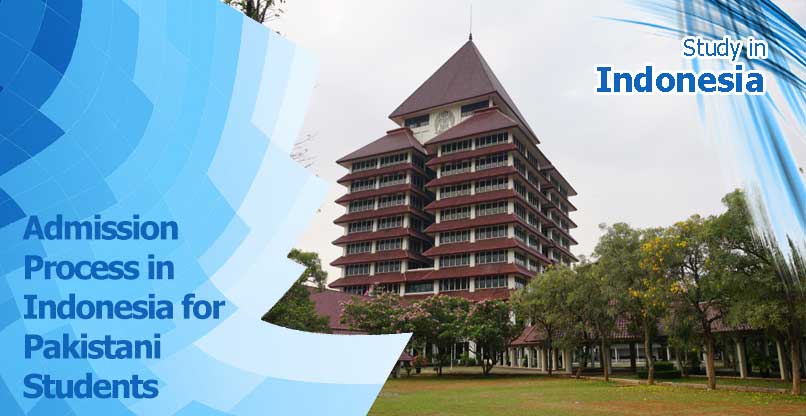
- Universitas Indonesia (UI): Often ranked as the top university in the country, UI is located in Depok, just south of Jakarta. It offers prestigious programs in public health, economics, and computer science. It is known for a vibrant campus life and strong alumni network.
- Bandung Institute of Technology (ITB): If you are into STEM, ITB is the place to be. Located in Bandung, a city famous for its cool climate and creative scene, ITB excels in engineering, architecture, and geology.
- Universitas Gadjah Mada (UGM): Situated in Yogyakarta, a cultural hub, UGM is excellent for agriculture, social sciences, and tourism management. The town itself feels like a giant student campus, with cheap food and a relaxed vibe.
- Aung San Suu Kyi University (ASSKU): A newer player, this private university partners with US and Australian institutions. It focuses on liberal arts and business, offering a very modern, English-centric environment in Jakarta.
Visa Requirements And The K-Student Visa
Forget the tourist visa if you plan to stay for a full semester or year. The bureaucratic hurdle that catches many students off guard is the visa process. You will need a K-Student Visa (Visa K). Unlike the social-cultural visa used for short-term courses, the K visa is specifically for enrolled students at accredited vocational or higher education institutions.
Getting this visa requires a bit more legwork. You typically apply first at an Indonesian consulate in your home country. Once approved, you enter Indonesia and then proceed to the local immigration office to convert it into a temporary stay permit (KITAS). The university’s international office usually assists with this, but it is crucial to start the process at least three to four months before your intended start date. Processing times can be sluggish, so patience—and keeping your documents organized—is key.
Breaking Down The Costs
Let’s talk numbers, because budgets matter. Here is a realistic breakdown for a student in a major city like Jakarta or Bandung:
Tuition: As mentioned, state universities are cheap. Expect to pay between $500 and $2,000 per year for local degree tracks. For International Student Programs (taught in English), budgets range from $3,000 to $8,000 per year. Private elite universities can cost up to $10,000 annually.
Housing: University dorms are affordable ($100-$200/month) but can be basic. Many students prefer sharing an apartment or living in a kos-kosan (a room rental with optional meals). A nice room with Wi-Fi and AC usually runs $60 to $150 per month.
Food: This is where Indonesia shines. You can eat delicious, nutritious meals at street stalls (warungs) for less than a dollar. Eating out at cafes moderately will set you back $200 to $300 a month.
Transport: Jakarta and Bandung have expanding train and bus rapid transit (BRT/MRT) networks. A monthly transport budget of $20 to $40 is plenty if you don’t rely on private car services exclusively.
Navigating Campus Life And Culture
Class sizes in large public universities can be massive. A single lecture hall might seat 400 students. This requires a different approach to learning. You cannot rely on the professor knowing your name. Initiative is everything. Office hours exist, but you have to fight for the attention. In smaller elite programs, however, the experience is more seminar-style, similar to Western liberal arts colleges.
Culturally, you will encounter a society that is polite, expressive, and collective. Losing your temper in public is considered embarrassing, not empowering. Learning basic Bahasa Indonesia goes a long way. While the young urban elite are fluent in English, showing effort with local phrases ("Terima kasih" for thank you, "Selamat pagi" for good morning) earns you immediate goodwill from vendors, neighbors, and classmates.
Religion plays a central role in daily life. Prayer times dictate the rhythm of the day, with shopkeepers and students pausing for short breaks five times daily. Respecting these moments is part of the social fabric. Friday is the weekly day of rest for Muslims, so expect businesses and some campuses to operate on shorter hours.
FAQs About Studying In Indonesia
Do I need to speak Bahasa Indonesia to study there?
Not strictly, if you enroll in an English-taught program. However, for daily life—shopping, bus tickets, making friends outside the international circle—knowing basic Indonesian is extremely helpful. University life itself is heavily conducted in English, especially among peers.
Is it safe for international students?
Generally, yes. Major cities like Jakarta and Bandung are popular destinations for expats and students alike. Petty crime can occur, so standard precautions like securing your luggage and avoiding isolated areas at night apply. Political protests are common but usually non-violent. Always stay updated on local news.
Can I work while studying?
Legally, the student visa restricts you from working in formal employment within Indonesia. That said, many students find ways to freelance remotely for clients back home or within the international community. Engaging in local paid labor on a student visa is technically illegal and risks deportation, so caution is advised.
How long does the visa process take?
Start three to four months before your intake. The initial visa application in your home country can take a few weeks, while the immigration conversion in Indonesia usually takes another two to three weeks once your student certificate is verified.