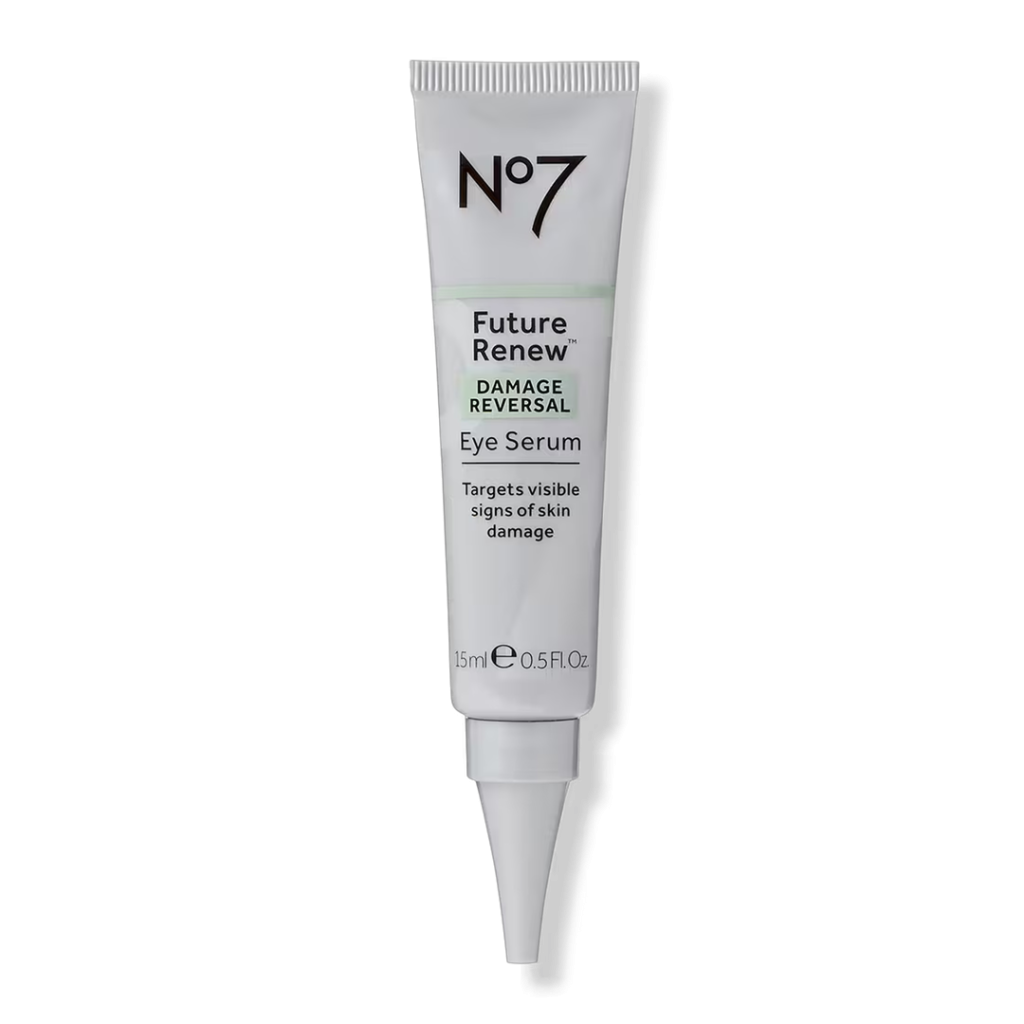
Tetrasodium EDTA Uses, Benefits, and Safety Explained
Ever glance at an ingredient list and wonder why a string of letters like “tetrasodium EDTA” appears in everything from shampoo to canned veggies? You’re not alone. This chelating agent has been quietly shaping everyday products for decades, and understanding its role can help you make smarter choices without getting lost in chemistry jargon.
What Exactly Is Tetrasodium EDTA?
At its core, tetrasodium ethylenediaminetetraacetic acid (EDTA) is a salt that loves to bind metal ions. Think of it as a tiny magnet that grabs calcium, magnesium, iron, and even heavy metals, keeping them from causing trouble in the formula you’re about to use.
In the lab, chemists exploit this ability to improve stability, color, and texture. In the supermarket, you benefit from smoother sauces and brighter cleaning solutions.
Everyday Applications
A quick stroll through the aisles reveals just how versatile tetrasodium EDTA really is. Below are some of the most common spots you’ll encounter it:
- Personal care products – Shampoos, conditioners, and facial cleansers use it to prevent metal‑induced discoloration and to keep fragrances fresh.
- Food preservation – Canned beans, salad dressings, and even certain dairy items contain it to safeguard flavor and extend shelf life.
- Household cleaners – Laundry detergents and bathroom sprays rely on tetrasodium EDTA to soften water and enhance the efficacy of surfactants.
- Pharmaceuticals – Some oral liquids and topical creams include it to stabilize active ingredients and improve shelf stability.
Key Benefits You Might Not Notice
While the ingredient list might look intimidating, the benefits are often subtle—and that’s a good thing.
Stability: By tying up metal ions, EDTA stops unwanted reactions that could darken a clear shampoo or cause a cloudy juice.
Improved performance: In detergents, softened water means less residue on dishes and fabrics, translating to a brighter finish.
Preservation: Food manufacturers can keep flavors crisp longer, reducing the need for extra preservatives.
Safety Profile – What the Research Says
The term “chelator” can sound scary, but the safety data on tetrasodium EDTA is fairly reassuring when used as intended.
Regulatory stance
Both the U.S. Food and Drug Administration (FDA) and the European Food Safety Authority (EFSA) have evaluated it. They deem it “Generally Recognized As Safe” (GRAS) for specific concentrations in food, cosmetics, and cleaning agents.
Potential concerns
- High doses (far beyond typical consumer exposure) have shown minor irritation in animal studies, but real‑world use stays well within safe limits.
- People with severe kidney issues might need to watch intake, as the compound is excreted through the kidneys.
Bottom line: normal daily exposure—whether you’re rinsing your hair or sipping a salad dressing—poses little risk for most folks.
How to Spot It on Labels
Seeing “tetrasodium EDTA” isn’t always straightforward. Manufacturers sometimes abbreviate it to “EDTA” or list the CAS number (60‑00‑0). Keep an eye out for those variations, especially if you’re aiming to limit chelators in a DIY cleaning recipe.
When Might You Want to Avoid It?
If you’re a DIY enthusiast crafting natural soaps or cleaning solutions, you may skip EDTA to keep formulas as simple as possible. Likewise, parents of infants with sensitive skin sometimes opt for EDTA‑free wipes, just to err on the cautious side.
But remember: eliminating it doesn’t always mean a better product. Sometimes, the chelating action is the very reason a formula works without turning funky over time.
Practical Tips for Consumers
- Read the whole list – EDTA often appears alongside other preservatives; understanding the full context helps you gauge overall safety.
- Mind the concentration – In cosmetics, levels usually stay under 0.1%; in food, they’re typically below 0.01%.
- Consider your health history – If you have kidney concerns, consult a healthcare professional about cumulative exposure.
Future Trends
Researchers are exploring greener alternatives, like biodegradable chelators derived from plant sources. Yet, tetrasodium EDTA remains a cost‑effective, reliable workhorse. Until a truly equal substitute hits the market, you’ll continue to see it tucked into product formulas worldwide.
In the end, tetrasodium EDTA is less of a mysterious lab beast and more of a helpful sidekick, quietly ensuring the items you rely on stay stable, effective, and appealing. Next time you spot it on a label, you’ll know it’s there for a reason—and that reason is generally safe for everyday use.