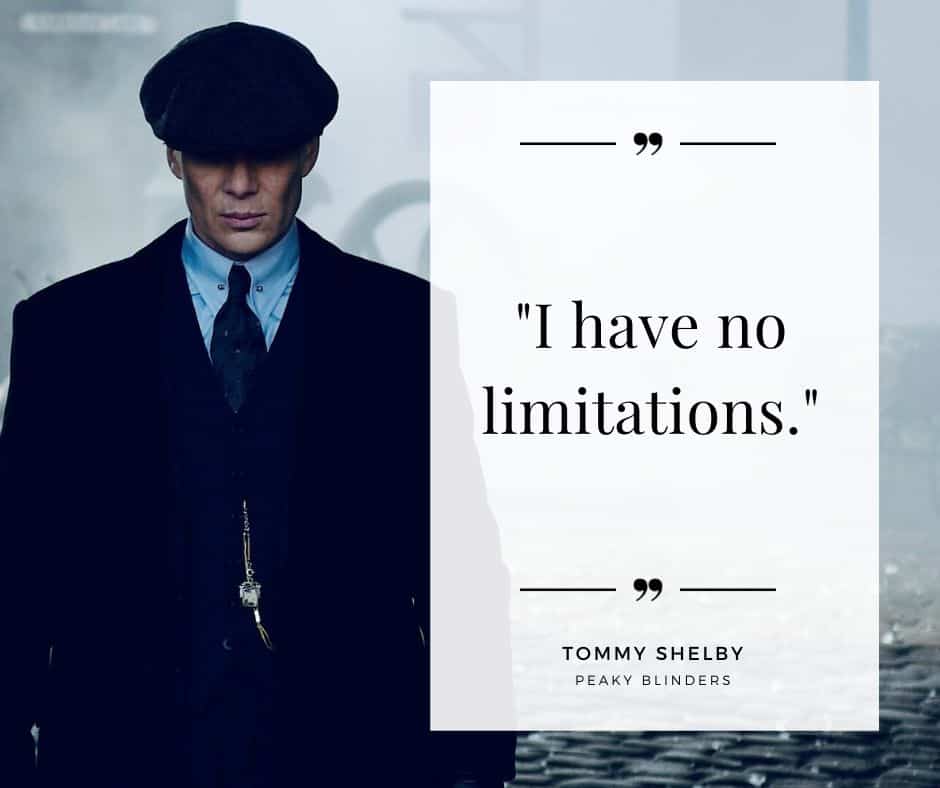
Tommy Shelby Decoding His Complex Personality
Peaky Blinders didn’t just become a global phenomenon because of Cillian Murphy’s piercing blue eyes or the muddy, industrial grit of 1920s Birmingham. It stuck with us because of Thomas Shelby. He is a character who defies easy categorization, sitting somewhere between a hardened war veteran, a calculating politician, and a man haunted by ghosts he can never outrun. To understand why audiences are so captivated by his rise from gang leader to British politician, we have to look past the suits and the hat pins. We need to decode the complex personality of Tommy Shelby.
At first glance, Tommy seems impenetrable. He is quiet, often letting others fill the silence so he can observe their weaknesses. But this stoicism isn’t just a performance; it is a survival mechanism forged in the trenches of the Somme. Post-traumatic stress disorder (PTSD) is the cornerstone of his character, yet the show rarely spells it out explicitly. Instead, we see it in the shaking hands after a nightmare, the sudden bursts of violence when triggered, and the way he disconnects from the world during moments of intense stress. This vulnerability makes him human, despite the mountain of bodies that often precede him.
The Strategic Mind of a Chess Player
What sets Tommy apart from other gangsters in fiction is his intellect. He doesn’t just win fights; he wins wars of attrition. His approach to power is less about brute strength and more about leverage, timing, and information. He treats every interaction, whether it’s a negotiation with the Italian mafia or a meeting with Winston Churchill, as a chess match. He is always thinking three moves ahead, anticipating how his opponents will react to his provocations.
- Information as Currency: Tommy knows that secrets are more valuable than money in Birmingham. He buys loyalty not just with cash, but with knowledge of his enemies’ pasts and present struggles.
- Emotional Detachment: To make hard choices, he suppresses his empathy. This allows him to sacrifice friends, family, and even his own health for the "greater good" of the Shelby empire.
- Adaptability: He transitions from a street gangster to a respectable politician without losing his core ruthlessness. He learns the language of the elite but never loses his street smarts.
This strategic brilliance often masks a profound loneliness. Tommy is surrounded by people, yet he is entirely alone in his decision-making. He cannot fully trust anyone, not even his own blood. This isolation is self-imposed but tragically inevitable. If he lets his guard down, he dies. This paradox—needing people for his power while rejecting them for his safety—creates a palpable tension that drives much of the series’ drama.
Family: Protection or Possession?
The heart of Peaky Blinders is the Shelby family, and Tommy is its ruthless guardian. His love for Arthur, John, Ada, and Polly is fierce, but it is also possessive and controlling. He often interferes in their lives under the guise of protection, stripping them of their autonomy. For Arthur, this manifests as giving him responsibilities he isn’t ready for, pushing him toward self-destruction. For Polly, it is a codependent relationship where their mutual trauma binds them tighter than blood.
Tommy’s motive is genuinely protective, but his methods are toxic. He views the family as an extension of himself, a unit that must be hardened to survive. He cannot conceive of them being weak because weakness means death in his world. This creates a tragic cycle where his attempts to keep them safe often lead to their greatest pains. He loves them, but he loves the power of the Shelby name and the survival of his lineage almost as much, if not more.
Manipulation as a Way of Life
Perhaps the most unsettling aspect of Tommy’s personality is his ease with manipulation. It is not something he does occasionally; it is his primary language. He lies to his wife, he blackmails political rivals, and he deceives allies. But what makes him compelling is that he often justifies this through a lens of necessity. He believes that the end justifies the means, a philosophy that allows him to sleep at night despite the moral vacuum he inhabits.
He is charismatic in a dark way. People follow him not because he asks nicely, but because he inspires fear and awe in equal measure. He uses charm to disarm and threats to enforce, often in the same sentence. This duality keeps everyone around him off-balance. You never quite know if you’re dealing with the generous man who pays for his tenants’ heating or the murderer who orders a hit without blinking.
The Cost of Ambition
As the series progresses, the cost of Tommy’s ambition becomes increasingly apparent. He gains titles, wealth, and political influence, but he loses pieces of his soul and the people he loves. His health deteriorates, his mind fractures under the weight of his secrets, and his family grows wary of him. The man who wanted to clean up his name ends up dirtier than he started, but in a different way. He trades respect for power, and freedom for control.
Tommy Shelby is not a hero. He is not even a traditional anti-hero in the sense that he seeks redemption. He is a study in trauma, power, and the human capacity for adaptation. He shows us how a broken man can build an empire out of rubble, but also how that empire can become a prison. His complexity lies in this contradiction: he is both the architect of his own destiny and a victim of his past, forever trapped in the shadows of Birmingham.
FAQs About Tommy Shelby's Character
Is Tommy Shelby a psychopath?
While he displays traits often associated with psychopathy, such as lack of empathy and manipulative behavior, his actions are driven more by severe PTSD and survival instincts than innate moral vacancy. He loves his family deeply, albeit in a dysfunctional way, which suggests a complex psychological profile rather than pure psychopathy.
Why is Tommy Shelby so quiet?
His silence is a tactical and psychological tool. Growing up poor and fighting for respect, he learned that speaking less gives him more time to observe and analyze. Additionally, his trauma makes emotional expression difficult, leading him to internalize his pain and communicate through action rather than words.
How does trauma define Tommy?
Trauma is the lens through which Tommy views the world. His experiences in WWI taught him that kindness is a weakness and that the world is inherently hostile. This shapes his ruthless decision-making, his distrust of authority, and his need to control every aspect of his environment to feel safe.
Does Tommy change by the end of the series?
Tommy evolves in his methods and status, becoming a member of Parliament, but his core personality remains largely static. He continues to prioritize the Shelby family’s survival above all else, using manipulation and violence to maintain his power. If anything, he becomes more isolated and heavier under the burden of his secrets.