Top Chinese Construction Firms Shaping the Skyline
When you glance at today’s megacities, the sheer scale of the structures often hints at a behind‑the‑scenes powerhouse: China’s leading construction companies. These giants not only build skyscrapers that scrape the clouds but also lay the foundations for sprawling rail networks, massive ports, and cross‑continent highways. Their influence stretches far beyond the Great Wall, shaping infrastructure across Asia, Africa, and even South America.
Who Are China’s Leading Construction Companies?
Four names dominate the conversation, each backed by state capital and a portfolio that reads like a modern engineering textbook.
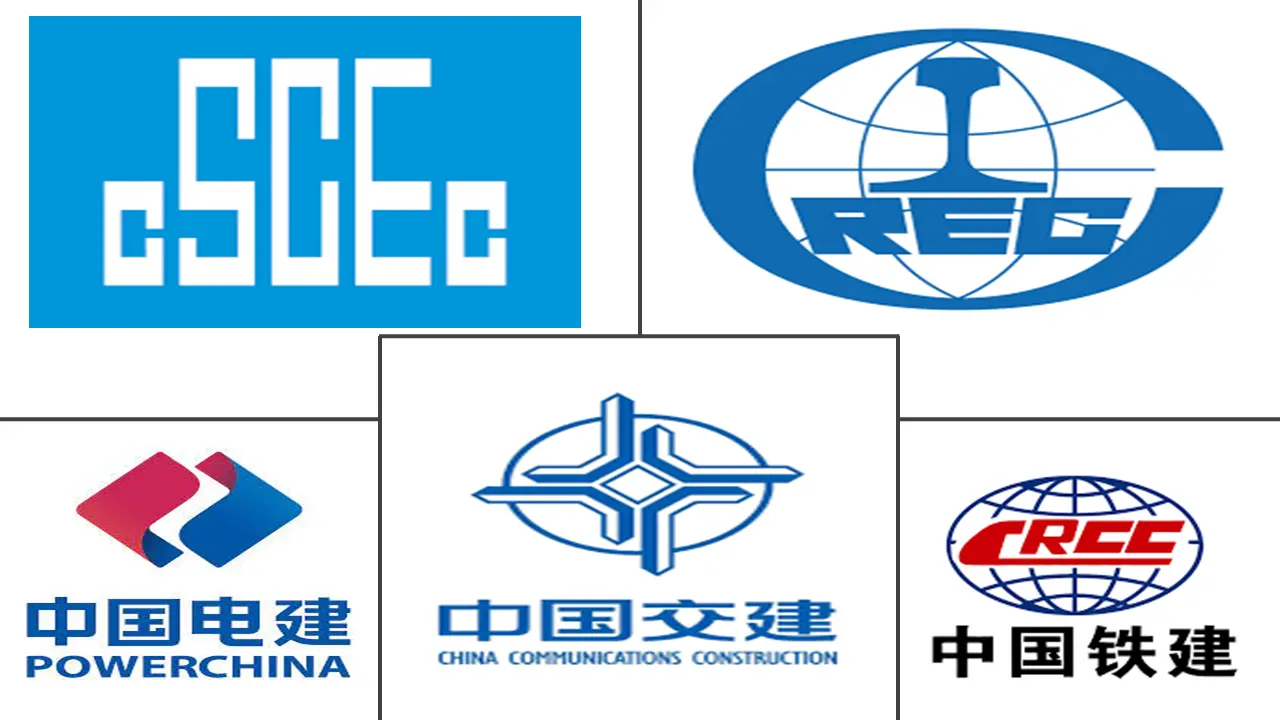
- China State Construction Engineering Corp (CSCEC) – the world’s largest contractor by revenue, famed for its rapid‑build residential blocks and iconic skyscrapers.
- China Railway Construction Corp (CRCC) – the specialist in railways, tunnels, and high‑speed lines, responsible for dozens of trans‑national projects.
- China Communications Construction Co (CCCC) – the maritime and road maestro, behind many of the country’s massive bridges and port expansions.
- China Railway Group Ltd (CREG) – a close sibling of CRCC, focusing on heavy‑duty civil works and overseas railway contracts.
Collectively, these firms account for a significant share of global construction spend, often ranking in the top five on the Engineering News‑Record (ENR) list of the world’s largest contractors.
Why These Companies Dominate the Market
Several structural factors give Chinese builders a decisive edge. First, their deep ties to government financing mean they can secure multi‑billion‑yuan projects with minimal upfront capital risk. Second, economies of scale allow bulk purchasing of steel, cement, and machinery, driving down unit costs. Third, a relentless push for digitalisation—BIM, AI‑driven site monitoring, and modular prefabrication—has cut construction timelines by up to 30 % on flagship projects.
Finally, the Belt and Road Initiative (BRI) has turned these firms into diplomatic tools, granting them preferential access to emerging‑market contracts that would otherwise be contested by Western rivals.
Key Projects That Define Their Reputation
Each company boasts a portfolio of headline‑grabbing works.
- Shanghai Tower (CSCEC) – standing 632 meters tall, it showcases the firm’s mastery of super‑tall, mixed‑use design.
- Hong Kong‑Zhuhai‑Macau Bridge (CCCC) – a 55‑kilometer sea crossing that demonstrates expertise in marine engineering.
- China‑Ethiopia Railway (CRCC) – a 756‑kilometer line that opened new trade corridors in East Africa.
- Beijing National Stadium (Bird’s Nest) (CREG) – a symbol of China’s 2008 Olympic ambition, blending steel artistry with massive spectator capacity.
These projects are more than bragging rights; they serve as living laboratories where new construction techniques are tested before being exported to overseas sites.
Challenges and Opportunities Ahead
Even a powerhouse can stumble. Rising labor costs, tighter environmental regulations, and growing scrutiny over overseas debt sustainability pose real headwinds. Yet, every challenge brings a chance to adapt.
Green building standards are now a competitive differentiator. Companies are investing in low‑carbon materials, renewable‑energy‑powered sites, and circular‑economy waste management. Simultaneously, the surge in prefabricated modules promises faster assembly, especially in remote or disaster‑recovery zones.
On the digital front, artificial intelligence is moving from predictive maintenance to real‑time design optimisation, allowing firms to simulate entire project lifecycles before the first shovel hits the ground.
What Sets These Firms Apart in the Global Arena?
Beyond sheer size, Chinese construction firms excel at integrating financing, engineering, and operations under one corporate roof. This “one‑stop‑shop” model simplifies cross‑border deals, as a single entity can arrange loans, procure materials, and manage on‑site execution.
Moreover, their willingness to enter politically sensitive markets—often where Western firms face regulatory barriers—creates a niche that few can match.
FAQ
What are the biggest construction companies in China?
The four largest are CSCEC, CRCC, CCCC, and CREG. Together they generate tens of billions of dollars in annual revenue and consistently rank among the top five global contractors.
How do Chinese construction firms compete internationally?
They leverage state‑backed financing, competitive pricing from massive procurement volumes, and a growing portfolio of green‑building certifications. Their experience with large‑scale infrastructure also makes them attractive partners for developing‑nation projects.
Are Chinese construction companies adopting sustainable practices?
Yes. Most major firms now publish ESG reports, invest in low‑carbon concrete, and employ renewable‑energy‑powered construction sites. Sustainability is becoming a core component of their bid proposals, especially for overseas contracts.