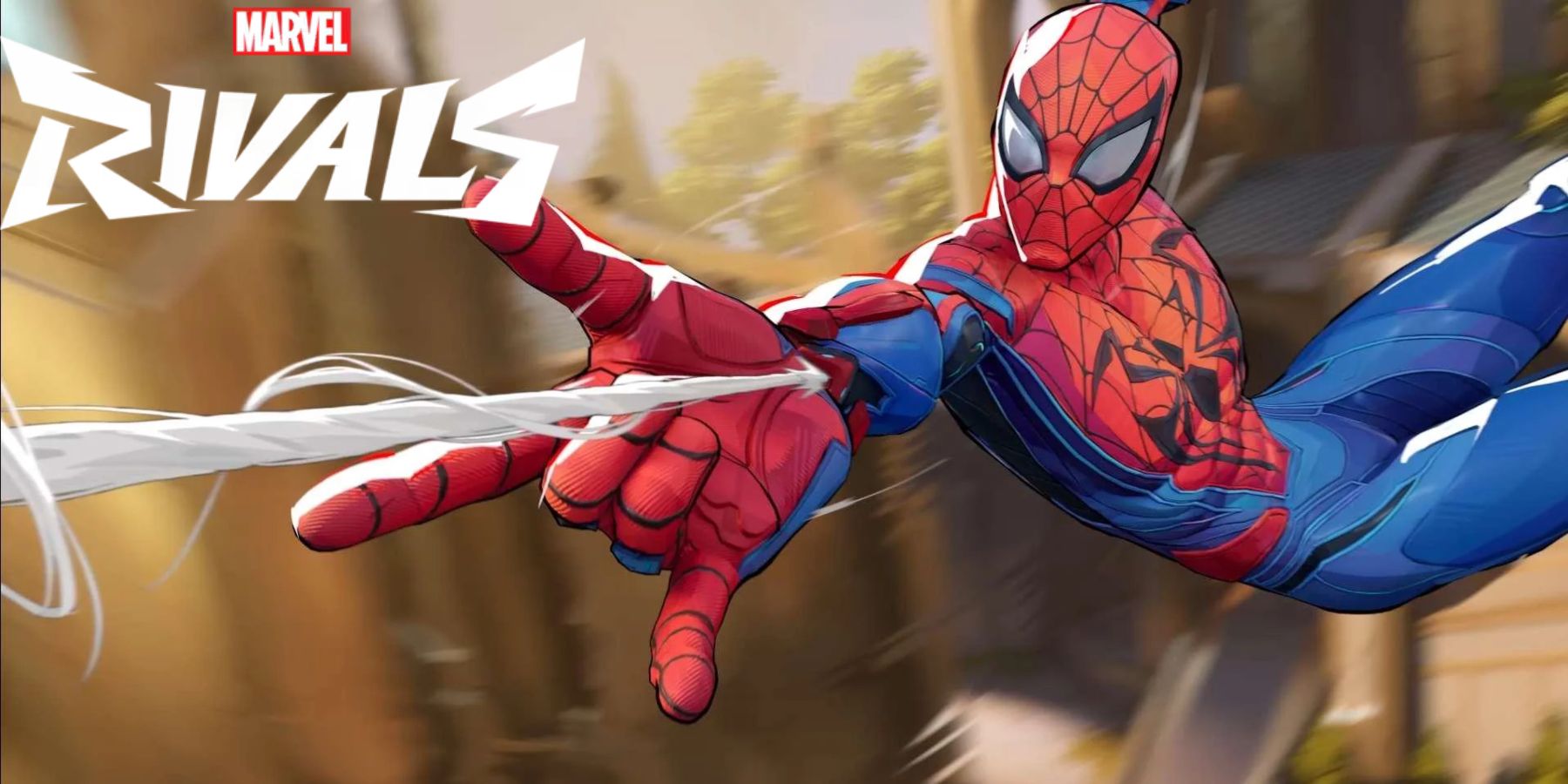
Top Marvel Rivals Spider-Man Epic Fan Edits
The community around Marvel Rivals is definitely getting creative. While the devs are busy balancing stats and introducing new heroes, fans are taking control. Specifically, the edits for Spider-Man’s Epic ability are turning into a visual spectacle. If you’ve been scrolling through Reddit or Twitter lately, you’ve probably seen them. They are wild. But what exactly makes these edits stand out from standard gameplay footage?
It all comes down to the contrast between the raw, sometimes jagged mechanics of a new hero and the polished, high-octane vision the fanbase imagines. Spider-Man in Marvel Rivals is fast, aerial, and chaotic. His Epic, "Web Slinger," fits that perfectly. But when editors get their hands on it, they add a layer of stylistic flair that the base engine doesn’t always provide.
Deconstructing the Fan Edit Aesthetic
Most of these viral clips follow a similar visual language. They aren’t just recordings of a match. They are curated experiences. The first thing you’ll notice is the color grading. Developers shoot for clarity in competitive games, so they keep visuals bright and readable. Fans, however, love the "cinematic" look.
You’ll see deep teals crushed against vibrant reds. The shadows are lifted just enough to see the webbing, but dark enough to hide the UI elements. It trick’s your eye into thinking you’re watching a movie trailer rather than a multiplayer hero shooter. This is likely influenced by the Disney+ series Spider-Man: Freshman Year or the stylized animation of *Into the Spider-Verse*. The pacing in these edits mirrors that comic-book logic.
The Sound Design Difference
Here’s a secret most casual viewers miss: audio makes or breaks these edits. The default game audio for Spider-Man is solid. It has the classic "thwip" and the swoosh of movement. But in the best fan edits, that audio is layered. Editors sync the web-shoot sounds to the beat of a high-energy track. Often, it’s hip-hop or synth-wave.
They remove the ambient noise of the arena. No crowd chatter. No enemy taunts. Just the pure, rhythmic impact of webs snapping and bodies swinging. This isolates Spider-Man’s movement, making him feel faster than he actually is. It creates a trance-like flow state for the viewer. You stop noticing the mechanics and start feeling the momentum.
- Visual Sync: Every web shot aligns with a drum hit or beat drop.
- Audio Ducking: Background music dips slightly during key impacts to emphasize the 3D spatial audio of the webs.
- Transient Shaping: Editors often punch up the transient attack of the "thwip" sound to make it cut through the mix sharply.
Common Themes in the Top Edits
There’s a recurring narrative in these videos. It’s rarely about "winning" the match. It’s about style. The most popular edits focus on the traversal mechanics. Spider-Man isn’t just pulling enemies in; he’s repositioning the entire battlefield. You’ll often see a long take where he swings from one rooftop to another, pausing mid-air to fire a web that pulls three enemies together before dropping down.
This highlights the synergy between his kit and the environment. The game’s map design plays a huge role here. Maps like Washington D.C. or Smokescreen Island offer verticality. Fans choose these maps for their edits because they allow for longer, uninterrupted camera pans. A quick-fire brawl in a tight corridor doesn’t offer the same visual payoff.
Another common theme is the "glitch" celebration. Sometimes, the collision physics in Marvel Rivals get weird. Enemies clip through webs or ragdoll in unexpected ways. Instead of mocking these glitches, many editors lean into them. They speed up the clip right as the physics unravel, turning a bug into a chaotic punchline. It adds a layer of self-aware humor that resonates with the gaming community.
Editing Techniques That Stick
What separates a good edit from a viral one?
Pacing. The best editors don’t just cut on the beat. They cut on the action. A quick zoom-in during the web-launch, followed by a rapid cut to the enemy’s shock, keeps the retention high. They use "speed ramping." The footage slows down slightly just as Spider-Man fires, creating a moment of tension, then accelerates rapidly as the webs connect. This manipulation of time makes the movement feel elastic and flexible, mirroring Spider-Man’s character.
Text overlays are also sparse but impactful. You won’t see generic captions like "Look at this." Instead, you’ll see minimal text indicating the skill name or a witty one-liner related to the move. It keeps the focus on the gameplay. The typography usually matches the comic-book aesthetic—bold, jagged fonts with sharp drop shadows.
Why These Resonate Right Now
Marvel Rivals is still finding its footing. While the core gameplay is exciting, the community is eager to define the identity of the heroes. Spider-Man is iconic. But how he feels in this specific multiplayer context is new. These fan edits help solidify that identity.
They show players what’s possible. Watching a 60-second montage of perfect web-swinging can inspire new players to try harder combos. It’s free educational content wrapped in entertainment. The edits act as a showcase of advanced mechanics, disguised as hype videos. When you see how fluid the movement can be, you’re motivated to practice your aim and timing.
There’s also the element of community building. In the comments sections of these videos, players share tips. They ask about sensitivity settings or input devices. The edit becomes a hub for discussion. It transcends the video itself. It fosters a shared appreciation for the character’s design and the engine’s capabilities.
Looking Forward
As Marvel Rivals updates, we’ll likely see these edits evolve too. New abilities or stat changes might alter the rhythm of the gameplay. If an update buffs Spider-Man’s crowd control, we’ll probably see edits that focus more on team fights and less on solo traversal. The community is reactive and adaptive.
For now, though, the focus remains on the pure joy of movement. The fan edits capture the essence of being Spider-Man: agility, chaos, and style. They turn a competitive shooter into a playground. And honestly? That’s what keeps people watching. It’s not just about the win. It’s about looking cool while you do it.