TV Production: A Step-by-Step Guide
Television production is a complex process that involves several stages, from conceptualization to final broadcast. Whether you're a beginner or an experienced producer, understanding the TV production process is essential to creating high-quality content that engages audiences. In this article, we'll take a step-by-step look at the TV production process, covering everything from development to post-production.
The TV production process typically begins with an idea or concept, which is then developed into a pitch or treatment. This is where the creative team, including writers, producers, and directors, come together to brainstorm and refine their ideas. The development stage is critical, as it sets the tone for the entire production and determines the overall vision and direction of the show.
Development Stage
During the development stage, the creative team will typically create a:
- Treatment: A brief document that outlines the concept, characters, and storylines of the show.
- Pitch document: A more detailed document that includes information on the target audience, marketing strategy, and budget.
- Sizzle reel: A short, promotional video that showcases the show's concept and tone.
Once the development stage is complete, the production team will begin to assemble the crew, cast, and equipment needed to bring the show to life.
Pre-Production Stage
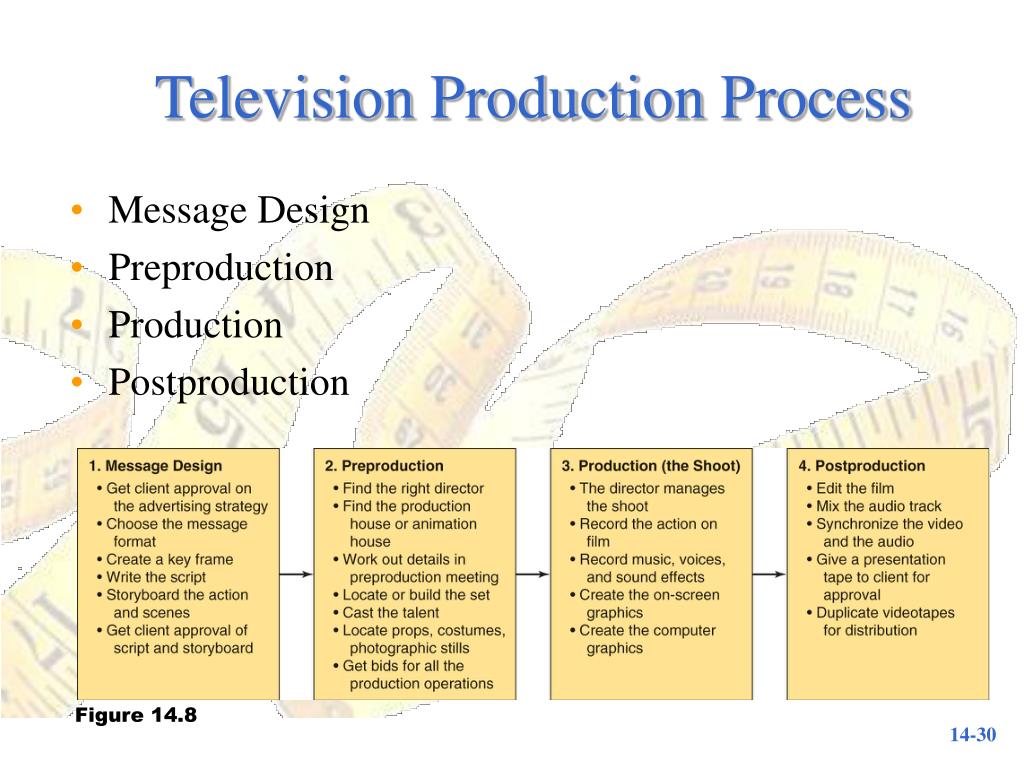
Pre-production is where the planning and preparation for the shoot take place. This stage includes:
- Scriptwriting: The writers will create a detailed script, including dialogue, scene descriptions, and camera angles.
- Casting: The production team will hold auditions and cast actors for each role.
- Location scouting: The team will find and secure locations for filming.
- Equipment rental: The team will rent or purchase the necessary equipment, including cameras, lighting, and sound gear.
Once the pre-production stage is complete, the production team will begin filming.
Production Stage
The production stage is where the actual filming takes place. This stage includes:
- Camera operation: The camera team will capture the footage, following the script and direction of the director.
- Lighting and sound: The lighting and sound teams will work to create a professional and polished look and sound.
- Direction: The director will work with the actors and crew to bring the script to life.
Once filming is complete, the production team will move on to the post-production stage.
Post-Production Stage
Post-production is where the footage is edited, visual effects are added, and the sound is mixed. This stage includes:
- Editing: The editor will assemble the footage, following the script and direction of the director.
- Visual effects: The visual effects team will create and add any necessary CGI elements, such as graphics or animations.
- Sound design and mixing: The sound team will create and mix the sound effects, music, and dialogue.
Finally, the production team will deliver the final product to the network or distributor.
Distribution and Broadcast
The final stage of TV production is distribution and broadcast. This is where the show is delivered to the network or distributor, who will then broadcast it to the public. The production team may also be involved in promoting the show, through marketing and publicity efforts.
In conclusion, TV production is a complex and multi-stage process that requires careful planning, creativity, and attention to detail. By understanding the different stages of TV production, producers and creatives can better navigate the process and create high-quality content that engages audiences.