Ultrasonic Engineering: The Hidden Power of High-Frequency Sound
When most people hear the word "sonic," they think of speed, supersonic jets, or maybe a cleaning bath for their jewelry. But there is a realm of engineering that operates far beyond human hearing, quietly revolutionizing industries from medicine to manufacturing. This is the domain of ultrasonic engineering. It is not just about loud noises or high-pitched whines; it is the sophisticated manipulation of sound waves at frequencies above 20,000 Hertz. These waves are inaudible to us, but they possess immense physical power when focused correctly, allowing engineers to cut, clean, weld, and detect flaws with precision that conventional methods simply cannot match.
Understanding the Physics Behind the Silence
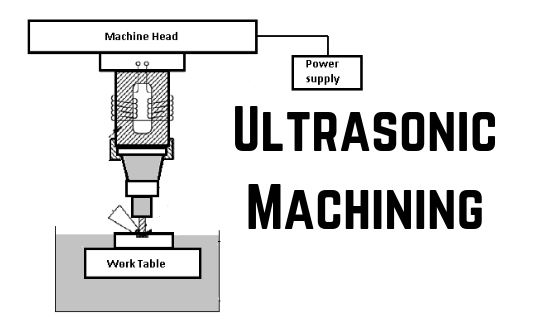
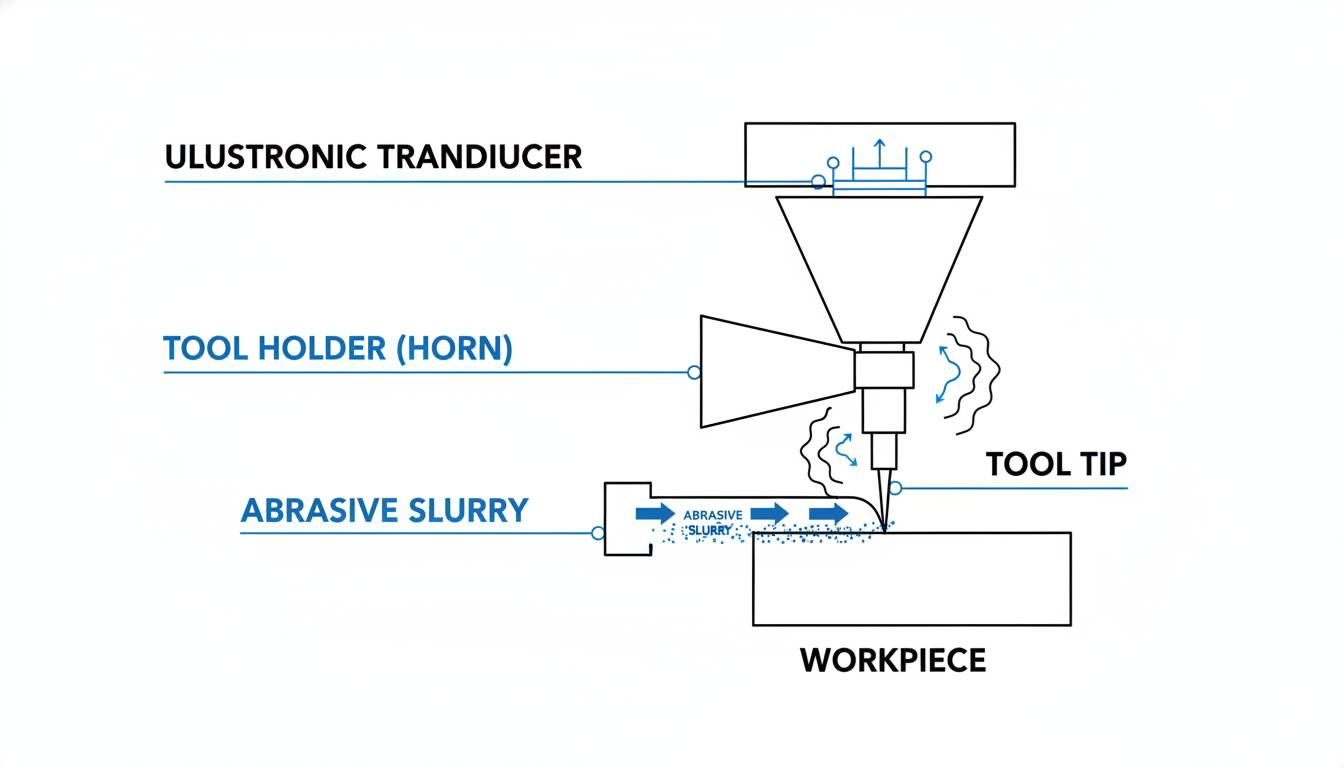
At its core, ultrasound is just sound. However, because the frequency is so high, the wavelength becomes incredibly short. This short wavelength is the secret sauce of ultrasonic engineering. In standard physics, shorter wavelengths allow for higher resolution and more localized energy transfer. When an ultrasonic transducer vibrates, it creates rapid pressure changes in a medium—be it air, water, or metal.
In liquids, this process creates a phenomenon known as cavitation. Imagine microscopic bubbles forming, expanding, and then violently collapsing in a fraction of a second. The energy released during this collapse is intense enough to blast away contaminants on a microscopic level without damaging the surface underneath. This is why ultrasonic cleaners are so effective at removing dirt from intricate medical instruments or delicate jewelry. In solids, however, the mechanism changes. The high-frequency vibrations create friction at the molecular level, generating heat that can join materials together without melting them entirely. It is a subtle difference, but one that defines the versatility of the field.
Industrial Precision: Welding Without Heat Damage
One of the most transformative applications of ultrasonic engineering is in manufacturing, specifically plastic and metal welding. Traditional welding methods often use intense heat, which can warp sensitive materials or degrade the structural integrity of components. Ultrasonic welding, by contrast, uses mechanical vibration. Two parts are pressed together while a sonotrode (or horn) vibrates at high frequency. The friction between the interfaces melts the material locally, creating a bond that cools and solidifies in seconds.
This method is incredibly fast, often taking less than one second per weld. It is also clean, requiring no adhesives, solvents, or consumables. You see it everywhere: in the sealed seams of medical packaging, the water-resistant bonds of athletic footwear, and even the internal wiring of electronics. For engineers, this means greater reliability and a smaller environmental footprint. It is a perfect example of how using physics rather than brute force can lead to superior engineering solutions.
Non-Destructive Testing: Seeing the Invisible
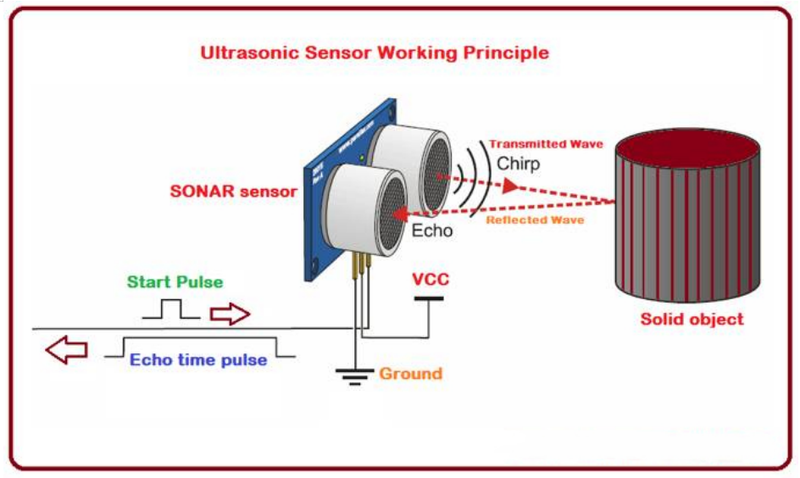
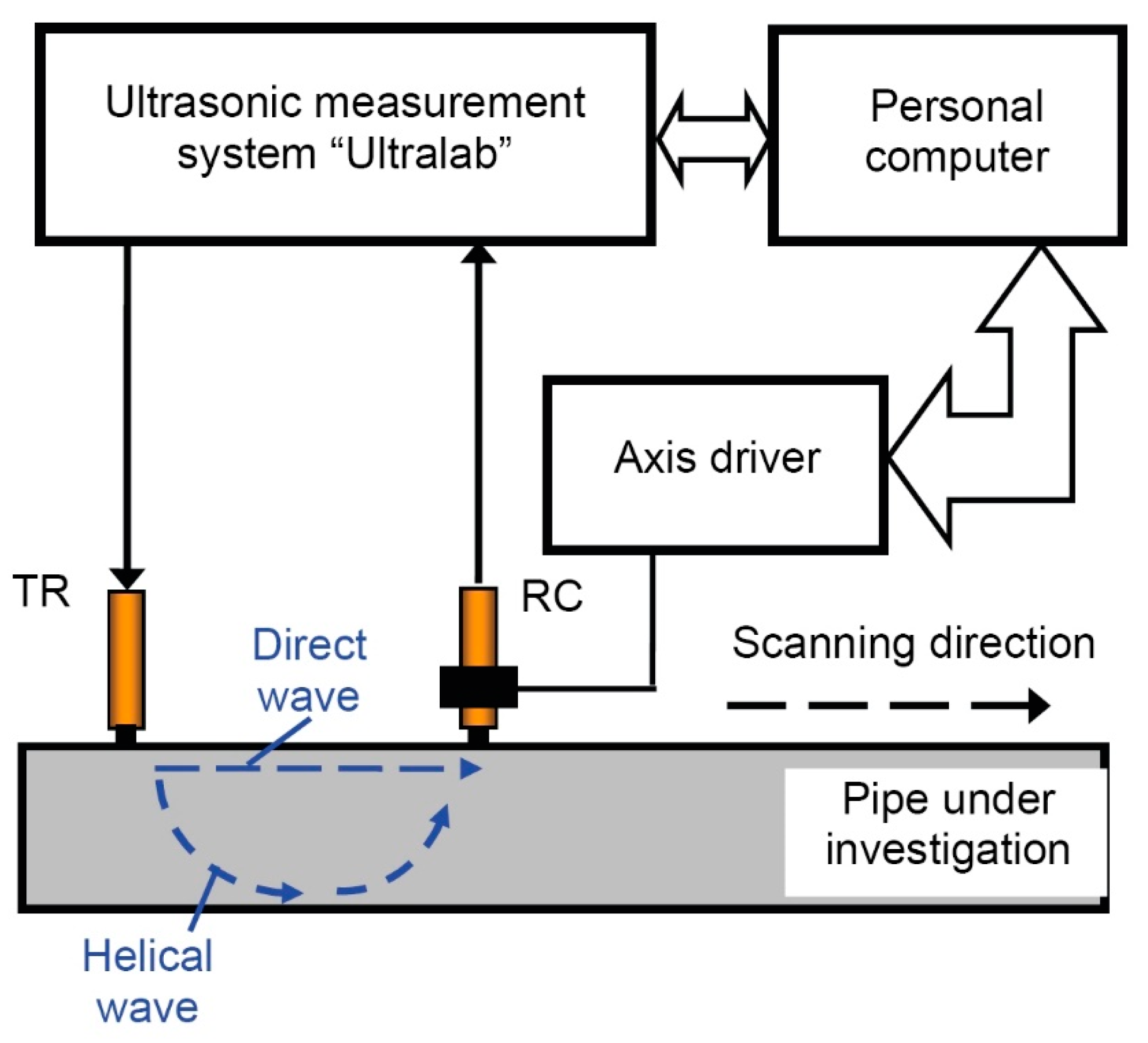
While welding joins things together, another major branch of ultrasonic engineering focuses on looking inside them. Non-Destructive Testing (NDT) uses ultrasonic waves to detect internal flaws in materials like steel pipes, aircraft wings, and bridge supports. By sending a pulse of sound into a material and measuring the time it takes for the echo to return, engineers can create a detailed map of the internal structure.
If there is a crack, a void, or an inclusion within the material, it will reflect the sound wave differently than the solid material would. This allows inspectors to identify potential failures before they happen. Imagine checking the health of a jet engine turbine without taking it apart. That is the power of ultrasonic NDT. It ensures safety and longevity in critical infrastructure, saving billions in potential disasters. The technology has become so refined that it can now detect cracks smaller than a human hair, making it an indispensable tool in aerospace and civil engineering.
Mission Critical: Medical Diagnostics and Therapy
Perhaps the most familiar application to the general public is in healthcare. We all know ultrasound imaging from pregnancy scans. But medical ultrasonic engineering goes far beyond simply viewing a fetus. High-intensity focused ultrasound (HIFU) is now used to treat cancer by destroying tumor cells with heat generated by sound waves, all without making a single incision. It is a non-invasive surgery that spares patients from long recovery times and significant trauma.
Furthermore, advances in Doppler ultrasound allow doctors to visualize blood flow in real-time, diagnosing blockages and heart conditions with incredible accuracy. The engineering challenge here is balancing power with safety. The equipment must be sensitive enough to detect tiny variations in tissue density while ensuring the energy levels remain safe for human tissue. It is a delicate dance of physics and biology, guided by some of the most skilled engineers in the profession.
The Future of Ultrasonic Technology
As technology advances, the applications of ultrasonic engineering continue to expand. Researchers are exploring its use in food preservation, where high-frequency waves can kill bacteria without cooking the food, thereby retaining more nutrients and flavor. There is also ongoing work in using ultrasound for precise drug delivery, guiding medications directly to specific cells in the body.
The future likely holds even more integration of ultrasonic sensors in consumer electronics and autonomous vehicles, providing a low-cost, reliable way for machines to "see" and interact with their environments. As our understanding of high-frequency sound deepens, the line between what sounds possible and what is physically possible continues to blur. Ultrasonic engineering proves that sometimes, the most powerful forces are the ones we cannot hear.
Frequently Asked Questions
- Is ultrasonic cleaning safe for all materials?
Generally, yes, but it depends on the material's hardness and integrity. Delicate stones like opals or pearls can be damaged by cavitation, so gentle cycles or alternative cleaning methods are recommended. - How does ultrasonic welding differ from traditional welding?
Traditional welding uses high heat to melt materials, which can cause warping or thermal damage. Ultrasonic welding uses high-frequency vibration to generate friction heat locally, resulting in a cleaner, faster, and often stronger bond without affecting the surrounding material. - Can ultrasonic testing detect all types of flaws?
It is highly effective for detecting internal cracks, voids, and delaminations, especially in metals and plastics. However, it may struggle with very fine cracks that are parallel to the sound wave path or materials that are highly porous and scatter the sound. - Why is ultrasound used in medical imaging?
Ultrasound is safe, non-ionizing (unlike X-rays), and provides real-time images. It is particularly good for visualizing soft tissues and blood flow, making it ideal for monitoring fetal development and diagnosing various internal conditions.