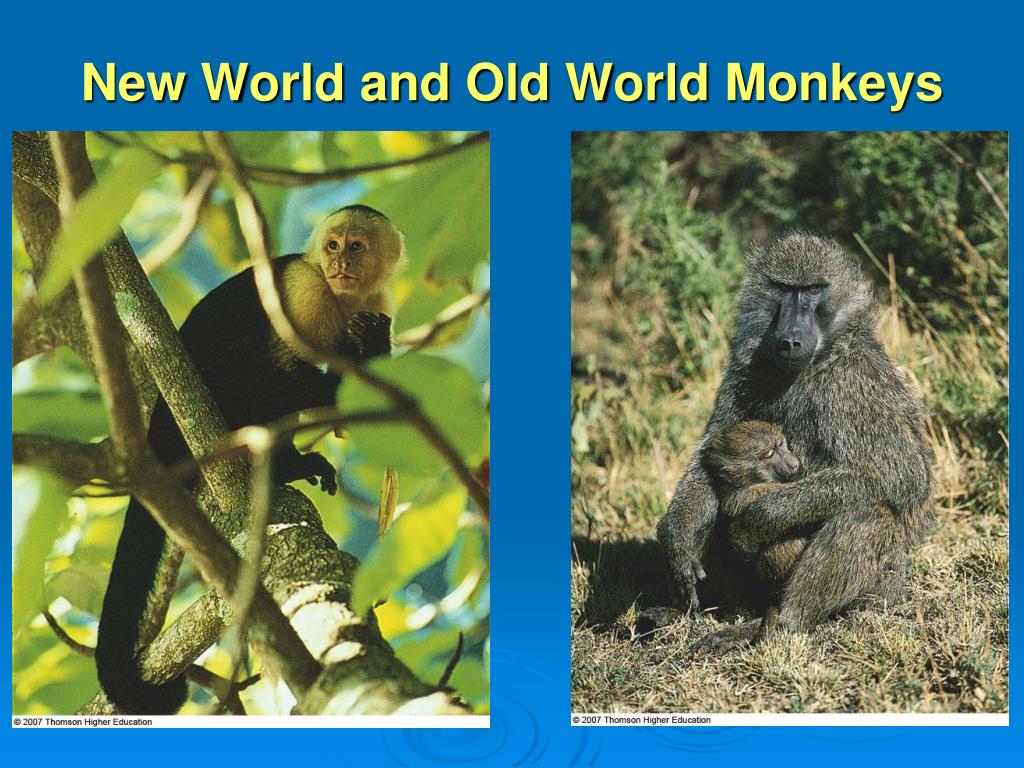
Uncovering the Evolutionary Divide: Old World Vs. New World
The terms Old World and New World have been used for centuries to differentiate between the Eastern and Western Hemispheres, but they also carry significant weight in the context of evolutionary biology. The distinction between these two worlds is not merely geographical; it reflects fundamental differences in the evolutionary histories of the species that inhabit them. In this article, we will delve into the fascinating story of how the Old World and New World have shaped the diversity of life on Earth.
The Old World, comprising Africa, Europe, and Asia, is home to a vast array of species that have evolved over millions of years. This region has been a hub of evolutionary activity, with many iconic species, such as lions, elephants, and gorillas, calling it home. The complex geography of the Old World, with its varied landscapes and climates, has created a multitude of ecological niches, allowing species to adapt and thrive in a wide range of environments. In contrast, the New World, which includes the Americas, has a relatively simpler geography and a more recent evolutionary history.
The Great American Interchange
One of the most significant events in the evolutionary history of the New World was the Great American Interchange, which occurred around 3 million years ago. During this period, the Isthmus of Panama formed, connecting North and South America, and allowing species to migrate between the two continents. This exchange had a profound impact on the evolution of species in the New World, as animals such as sloths, armadillos, and opossums moved north from South America, while species like bears, cats, and canines migrated south from North America. This interchange also led to the extinction of many native species, as they were outcompeted by more adaptable and competitive invaders.
Despite the significant impact of the Great American Interchange, the New World still retains many unique and fascinating species that are found nowhere else on Earth. The Amazon rainforest, for example, is home to an incredible array of plant and animal species, including monkeys, macaws, and anacondas. The Galapagos Islands, located off the coast of Ecuador, are famous for their endemic species, such as giant tortoises, marine iguanas, and blue-footed boobies, which have evolved in isolation for millions of years.
Key Differences Between Old and New World Species
There are several key differences between Old and New World species that reflect their distinct evolutionary histories. One of the most notable differences is in the diversity of species. The Old World has a much greater variety of species, particularly in terms of mammals and birds. This is due in part to the more complex geography of the Old World, which has created a greater range of ecological niches. In contrast, the New World has a more limited range of species, although it still boasts an impressive array of unique and fascinating creatures.
- Species diversity: The Old World has a greater variety of species, particularly in terms of mammals and birds.
- Evolutionary history: The Old World has a longer and more complex evolutionary history, with many species having evolved over millions of years.
- Geography: The Old World has a more varied and complex geography, with many different landscapes and climates, while the New World has a relatively simpler geography.
Another significant difference between Old and New World species is in their evolutionary adaptations. Old World species have evolved a range of unique adaptations, such as the development of complex social structures in primates and elephants, and the evolution of powerful predators like lions and tigers. In contrast, New World species have evolved in a more recent and dynamic environment, with many species adapting to changing climates and ecosystems.
Conservation Implications
The distinction between Old and New World species has significant implications for conservation efforts. Many Old World species are threatened by habitat destruction, hunting, and climate change, and conservation efforts are often focused on protecting these iconic species. In contrast, New World species are often overlooked, despite facing similar threats. It is essential that conservation efforts prioritize the protection of unique and endemic species in both the Old and New Worlds, in order to preserve the incredible diversity of life on Earth.
In conclusion, the evolutionary divide between the Old World and New World is a fascinating and complex topic that reflects the unique histories and adaptations of species on different continents. By understanding these differences, we can better appreciate the incredible diversity of life on Earth and work to protect and conserve it for future generations.