Understanding Days Sales Outstanding: A Simple Guide
If you’ve ever felt like your business is running on empty despite having plenty of sales, you might be dealing with a Days Sales Outstanding (DSO) problem. It’s one of those metrics that accountants love to quote at parties, but in practice, it’s actually the heartbeat of your cash flow health. DSO tells you, in plain English, how long it takes for customers to pay you after you’ve sent an invoice.
High DSO isn’t always bad, but it’s almost always uncomfortable. It means your money is sitting in accounts receivable, earning zero interest, while your bills are due. Low DSO suggests you’re collecting quickly, which gives you the flexibility to invest, pay suppliers, or just sleep better at night. But before you start chasing every penny with angry emails, it helps to understand what drives this number and how to manage it without alienating your best clients.
What Is Days Sales Outstanding, Exactly?
At its core, DSO is a measure of efficiency. Specifically, it calculates the average number of days it takes to collect payment after a sale has been made. Think of it as the "collection drag" on your business.
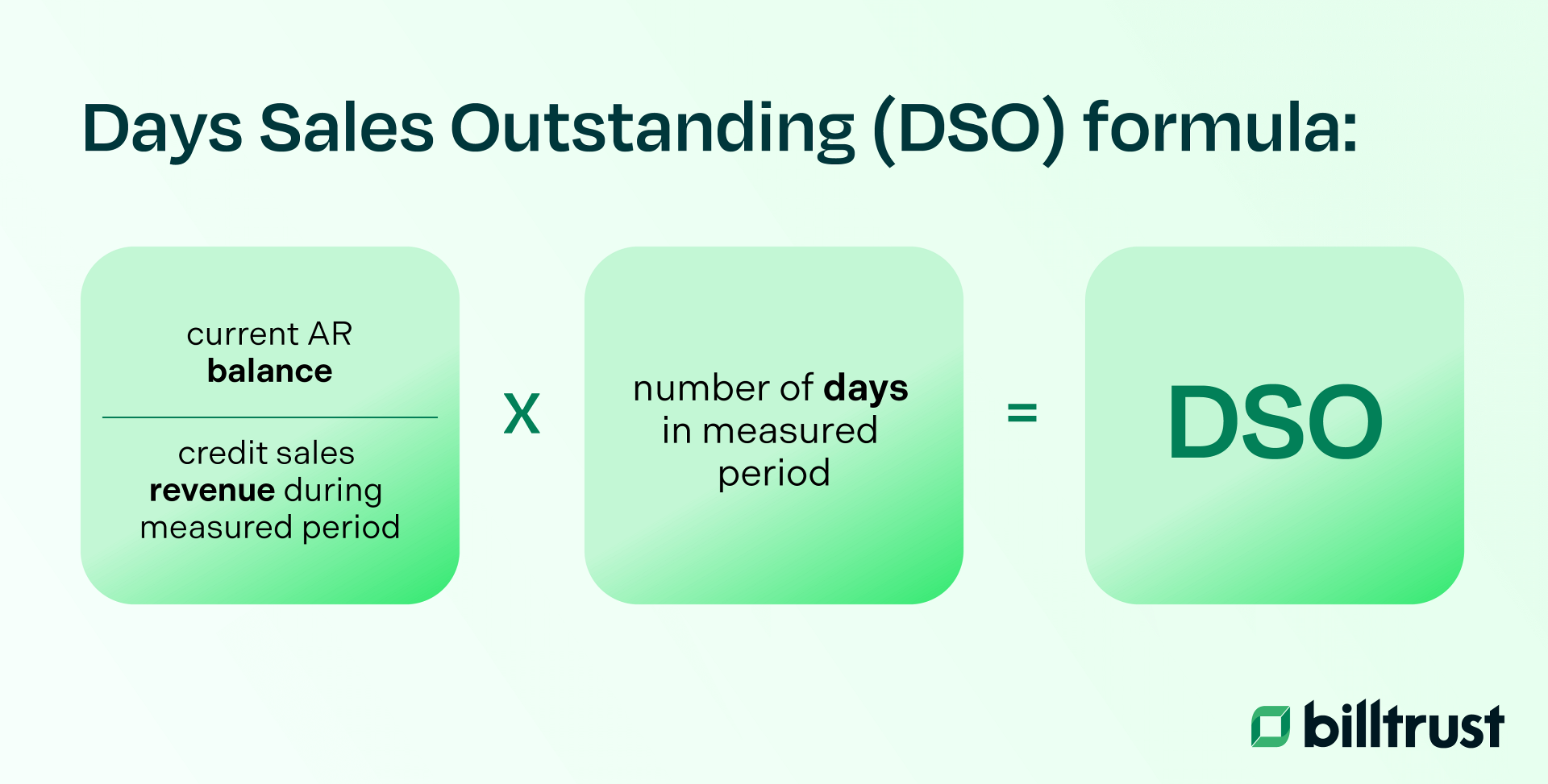
The formula is straightforward enough that you can calculate it in Excel without a degree in finance. You take your ending accounts receivable, divide it by your total credit sales for the period, and then multiply by the number of days in that period. Usually, we look at a 365-day annual figure, but you can adjust for quarterly or monthly snapshots.
$$\text{DSO} = \left( \frac{\text{Accounts Receivable}}{\text{Total Credit Sales}} \right) \times \text{Number of Days}$$
If your DSO is 45 days, it means, on average, it takes you 45 days to get paid. Context matters here. A DSO of 45 might be terrible for a SaaS company with monthly billing, but it might be standard for a B2B manufacturer dealing with large corporate accounts that have 60- or 90-day payment terms.
Why Your DSO Number Can Be Misleading
Here’s the thing about DSO: it’s an average, and averages are notorious for hiding the ugly truth. You might have a smooth 30-day DSO, but that masks a few major clients who are 90 days late, balanced out by others who pay instantly. This is why looking at the number in isolation can be dangerous.
Seasonal fluctuations also skew the data. If you have a massive sales spike in December due to holiday promotions, your credit sales number balloons. Since DSO divides receivables by sales, a huge sales denominator makes your DSO look artificially low, even if collections haven’t improved. Conversely, a slow sales month can make a mediocre collection process look terrible.
It’s also worth noting that DSO doesn’t account for returns, discounts, or early-pay incentives. It’s a blunt instrument, not a scalpel. You need to pair it with other metrics, like the Aged Accounts Receivable report, to get the full picture.
How to Improve Your Collection Speed
Lowering your DSO isn’t about being a nuisance; it’s about clarity and process. Here are a few ways to tighten up the cycle without burning bridges.
- Clarify Payment Terms Upfront. It sounds obvious, but too many businesses are vague. "Net 30" is standard, but does that mean 30 days from the invoice date or the month-end? Ambiguity breeds delay. Put the terms in bold on every proposal and invoice.
- Automate Invoicing. Manual invoices get lost in email inboxes. Automated systems can nudge customers again if payment isn’t received within three days. Friction kills cash flow, so make it incredibly easy to pay you. Link to a credit card processor if possible.
- Credit Checks for New Clients. Before extending terms, take five minutes to check the creditworthiness of a new customer. Tools like Dun & Bradstreet or simple trade references can save you from bad debt that tanks your DSO forever.
- Offer Early Payment Discounts. "2/10 Net 30" means a 2% discount if paid in 10 days. For many customers, that discount covers their cost of capital. For you, getting paid 20 days earlier often outweighs the 2% loss, especially if you’re using that cash to grow.
When a High DSO Is Actually Okay
Not every high DSO is a sign of dysfunction. In some industries, long payment cycles are the norm. If you’re selling to government entities or large retailers, you might be paid 60, 90, or even 120 days out. Trying to fight that industry standard can cost you contracts.
In these cases, the goal shifts from "lowering DSO" to "managing cash flow risk." You might need to factor your receivables (selling them to a third party at a discount) or secure a line of credit to smooth over the gap between sale and payment.
There’s also a trade-off between sales volume and collection speed. Looser credit terms might attract more customers and boost revenue, effectively raising your DSO. Stricter terms might lower DSO but reduce sales. The sweet spot depends on your business model and how capital-intensive your operations are.
The Bottom Line
DSO is a vital sign, not a diagnosis. A rising DSO warrants investigation, but it doesn’t necessarily mean your customers are going broke or your invoicing team is lazy. It usually means processes have slipped, terms are unclear, or the mix of customers has changed.
Focus on the trends rather than a single month’s number. Keep an eye on aging reports, automate where you can, and communicate clearly. Cash is collateral-free capital. Getting your hands on it faster gives you options, and in business, options are everything. You don’t need to be a finance expert to manage it; you just need to be intentional.
![Days Sales Outstanding (DSO) Calculator + Free Template [2024]](https://coefficient.io/wp-content/uploads/2024/05/Days-Sales-Outstanding-DSO.webp)
