Understanding External Encoder Tech: What You Need To Know
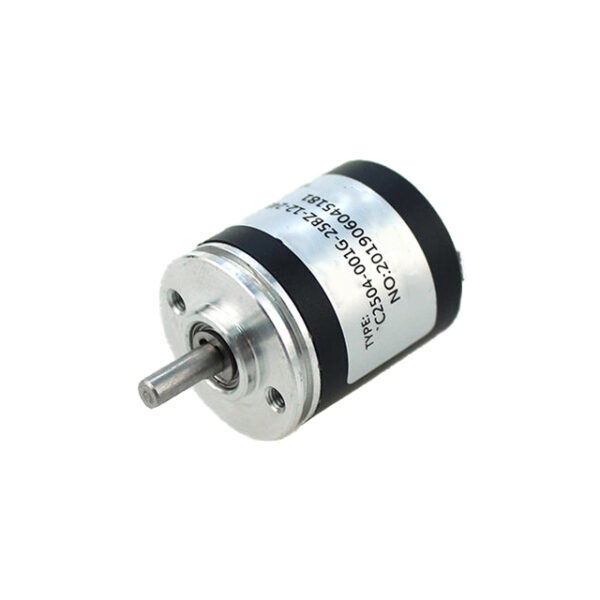
External encoder technology has been gaining significant attention in recent years, particularly in the fields of robotics, automation, and industrial control systems. An external encoder is a device that is used to measure the position, speed, and direction of a rotating shaft or other moving components. In this article, we will delve into the world of external encoder tech, exploring its basics, applications, and benefits.
At its core, an external encoder is a sensor that converts the mechanical motion of a shaft into electrical signals, which can then be interpreted by a control system or other electronic devices. This technology has been around for several decades but has undergone significant advancements in recent years, leading to improved accuracy, reliability, and flexibility.
How External Encoders Work
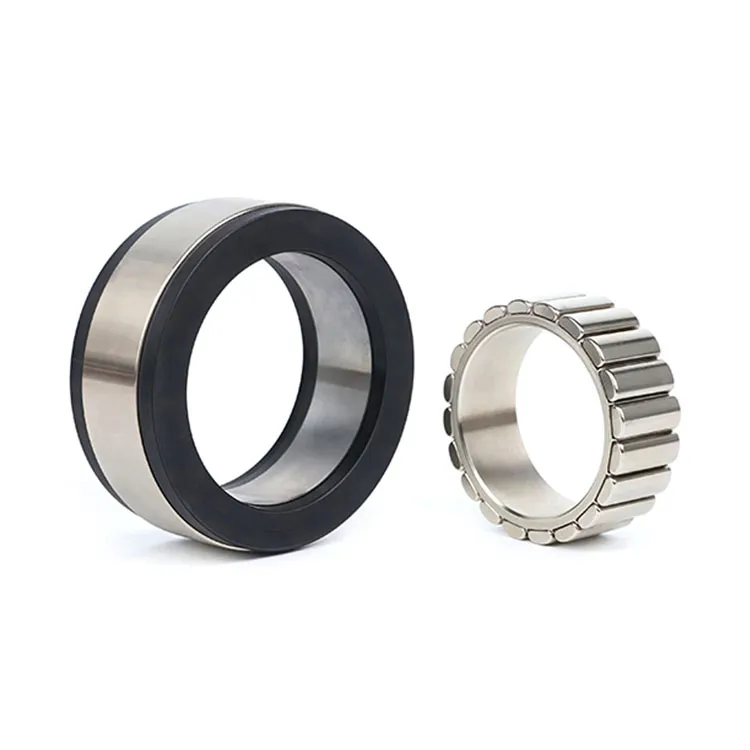
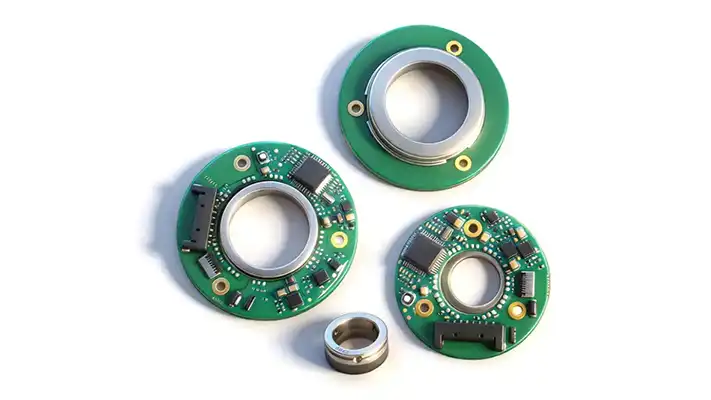
To understand the working principle of external encoders, it's essential to know that they typically consist of a rotor and a stator. The rotor is attached to the rotating shaft, while the stator is mounted on the stationary part of the machine. As the shaft rotates, the rotor moves, and the stator detects the changes in the rotor's position, generating electrical signals that correspond to the shaft's position, speed, and direction.
There are two primary types of external encoders: incremental and absolute. Incremental encoders measure the change in position between two consecutive measurements, while absolute encoders provide the exact position of the shaft at any given time. The choice between these two types depends on the specific application and the required level of precision.
Applications of External Encoder Tech
External encoder technology has a wide range of applications across various industries, including:
- Industrial automation: External encoders are used to control and monitor the position, speed, and direction of motors, pumps, and other machinery.
- Robotics: External encoders are used to track the movement of robotic arms, grippers, and other components, enabling precise control and navigation.
- Aerospace: External encoders are used in aircraft and spacecraft to measure the position and speed of control surfaces, engines, and other critical components.
- Medical devices: External encoders are used in medical imaging equipment, such as MRI and CT scanners, to precisely control the movement of the scanner's components.
These applications demonstrate the versatility and importance of external encoder tech in various fields, from industrial automation to medical devices.
Benefits of External Encoder Tech
The use of external encoder technology offers several benefits, including:
- Improved accuracy: External encoders provide high-resolution measurements, enabling precise control and positioning.
- Reliability: External encoders are designed to withstand harsh environments and provide reliable performance over extended periods.
- Flexibility: External encoders can be customized to meet specific application requirements, making them suitable for a wide range of industries and applications.
- Cost-effectiveness: External encoders can help reduce maintenance costs by providing real-time monitoring and control, enabling predictive maintenance and reducing downtime.
In conclusion, external encoder tech is a powerful tool that has revolutionized various industries by providing accurate, reliable, and flexible measurement solutions. As technology continues to advance, we can expect to see even more innovative applications of external encoder tech in the future.
Frequently Asked Questions
Here are some frequently asked questions about external encoder tech:
- Q: What is the primary difference between incremental and absolute external encoders?
- A: Incremental encoders measure the change in position between two consecutive measurements, while absolute encoders provide the exact position of the shaft at any given time.
- Q: What are some common applications of external encoder tech?
- A: External encoder tech is used in industrial automation, robotics, aerospace, and medical devices, among other industries.
- Q: How do external encoders improve accuracy and reliability?
- A: External encoders provide high-resolution measurements and are designed to withstand harsh environments, making them reliable and accurate over extended periods.