Understanding µg vs mcg: How Vitamins Are Measured
When you scan a supplement label and see “ug” or “mcg,” the numbers may look identical, but the way they’re presented can be confusing. This ug vs mcg distinction matters for everything from vitamin D tablets to prenatal folate pills. In this guide we’ll untangle the terminology, explain why manufacturers choose one format over the other, and show you how to translate the numbers into real‑world nutrient intake.
What Does µg Mean on a Label?
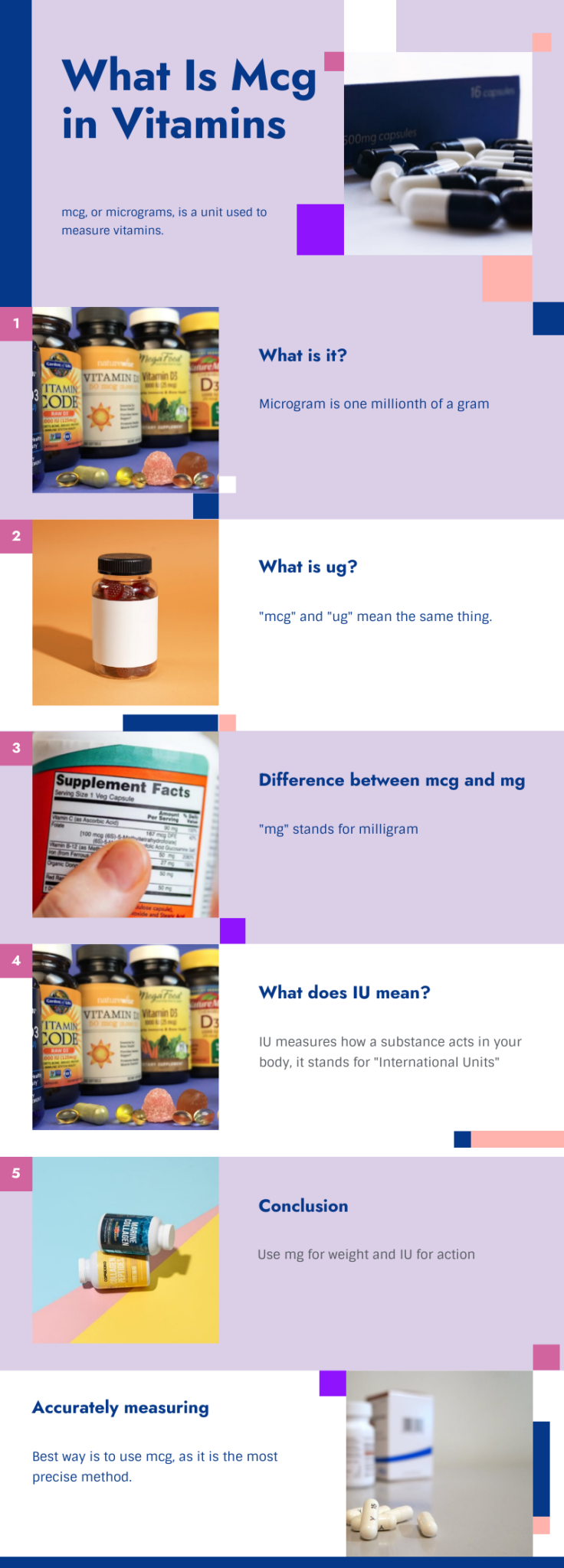
The symbol µg stands for “microgram,” a unit of mass equal to one‑millionth of a gram. In scientific literature, µg is the standard shorthand because it precisely conveys the scale of tiny nutrients. For example, the Recommended Dietary Allowance (RDA) for vitamin B12 is 2.4 µg per day, a figure you’ll often see on the Nutrition Facts panel of fortified cereals.
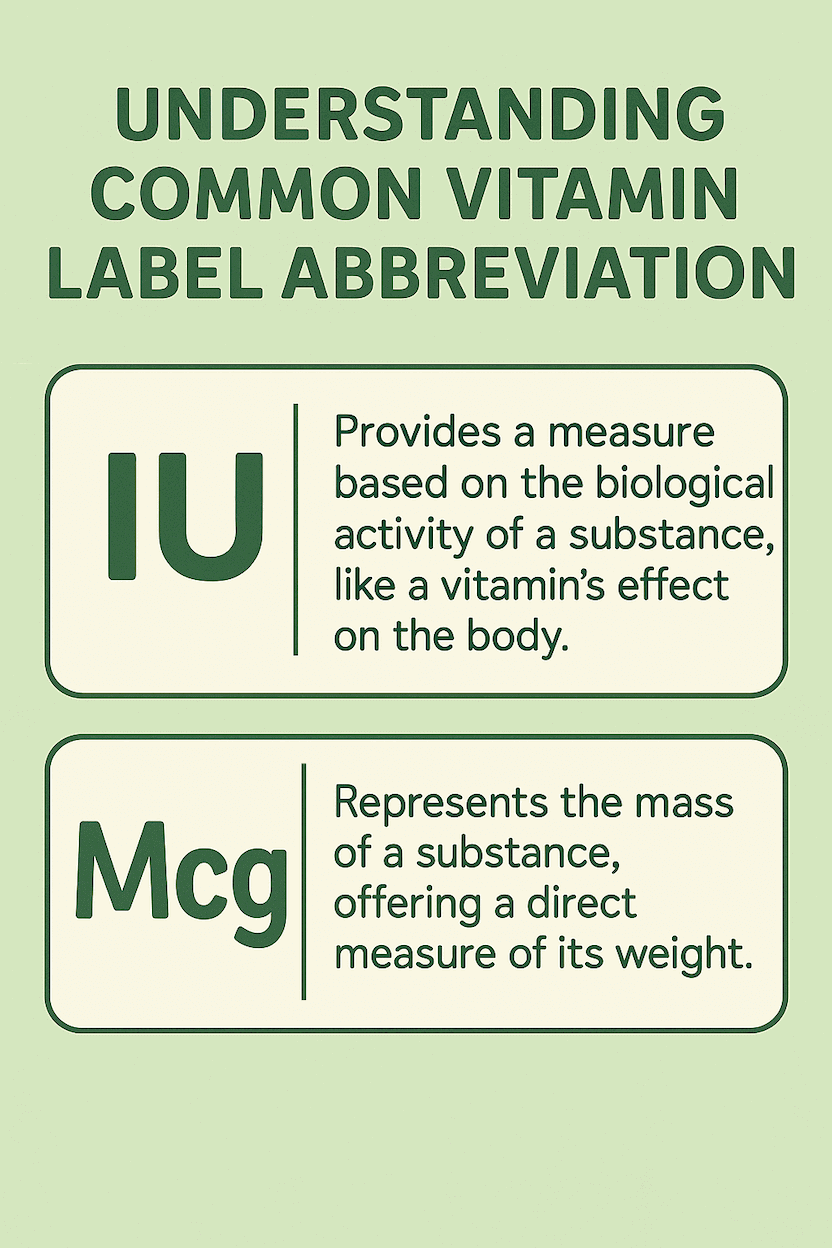
Because the Greek letter mu (µ) isn’t always easy to type on a keyboard, the food industry adopted a workaround: the three‑letter abbreviation “mcg.” Functionally, mcg is exactly the same as µg—both represent one microgram.
Why Some Brands Use mcg Instead of µg
Regulatory bodies, such as the U.S. Food and Drug Administration (FDA), allow the use of “mcg” on nutrition labels to avoid potential printing errors. The FDA’s guidance notes that the lowercase “m” plus “cg” is unambiguous and more compatible with standard fonts, especially on small packaging.
In practice, you’ll see mcg on most over‑the‑counter supplements, while µg tends to appear in scientific articles, clinical studies, and some European labeling conventions. The choice is largely a matter of style, not science.
Converting Between µg and mcg
- 1 µg = 1 mcg
- 1000 µg = 1 mg (milligram)
- To convert mg to µg/mcg, multiply by 1,000.
Because the conversion factor is 1:1, you can read “500 mcg” and “500 µg” as the same dose. The trickier part is remembering where each unit fits in the broader hierarchy of measurement: grams → milligrams → micrograms.
How the Difference Affects Your Daily Intake
Most people never need to do the math, but a few scenarios benefit from clarity. Take vitamin D, for instance. The RDA for adults is 600 IU, which translates to about 15 µg (or 15 mcg). If a supplement lists “15 mcg,” you can be confident it matches the same amount you’d find in a research paper that cites “15 µg.”
Errors can arise when a label mistakenly mixes units—say, 200 µg of folic acid listed as “200 mg.” That would be a 1,000‑fold overdose. Always double‑check the unit letters, especially if the number seems unusually high or low for the nutrient in question.
Common Vitamins and Their Typical µg/mcg Levels
Below are a few nutrients where microgram dosing is the norm, along with typical label values:
- Vitamin B12: 2.4 µg (RDA) – most supplements provide 6 µg to 25 µg.
- Vitamin D: 15 µg (600 IU) – many over‑the‑counter drops contain 25 µg per serving.
- Folate (as folic acid): 400 µg – prenatal formulas often list 800 µg.
- Vitamin K2 (MK‑7): 45 µg – a common dose in bone‑health blends.
Notice that all these numbers could be printed either as “µg” or “mcg.” The choice does not alter the nutrient’s potency; it merely reflects the manufacturer’s formatting preference.
Practical Tips for Reading Labels
- Scan the unit first. If you see “mcg,” treat it exactly like “µg.”
- Check the % Daily Value (%DV). For nutrients with a microgram DV, the %DV is calculated using the µg value, regardless of how it’s printed.
- When comparing products, line up the numbers side by side—ignore the symbol, focus on the magnitude.
- If a label mixes units (e.g., “250 µg / 0.25 mg”), verify the conversion to avoid duplication.
Frequently Asked Questions
Is there any health difference between taking a supplement labeled in µg versus mcg?
No. Both notations represent the exact same amount of the vitamin. The body absorbs the nutrient based on mass, not on how the unit is typed.
Why do some countries prefer µg while others use mcg?
European Union regulations often require the Greek symbol µg, whereas the United States permits mcg for readability on small packaging. Cultural typographic conventions drive the preference.
Can I convert a dosage listed in mg to µg or mcg yourself?
Yes. Multiply the milligram value by 1,000. For example, 0.02 mg equals 20 µg (or 20 mcg).
What should I do if a label lists both µg and mcg for the same nutrient?
Assume the manufacturer is providing a redundancy check. Verify that the numbers match; if they do, you can safely use either figure. If they differ, contact the manufacturer for clarification.