Understanding IAPT: How Improving Access to Psychological Therapies Works
If you have ever looked into mental health support in the UK, you’ve likely come across the acronym IAPT. It stands for Improving Access to Psychological Therapies. Since its inception, this National Health Service initiative has fundamentally changed how millions of people access treatment for anxiety and depression. But what exactly is it, and why does it matter so much to everyday healthcare?
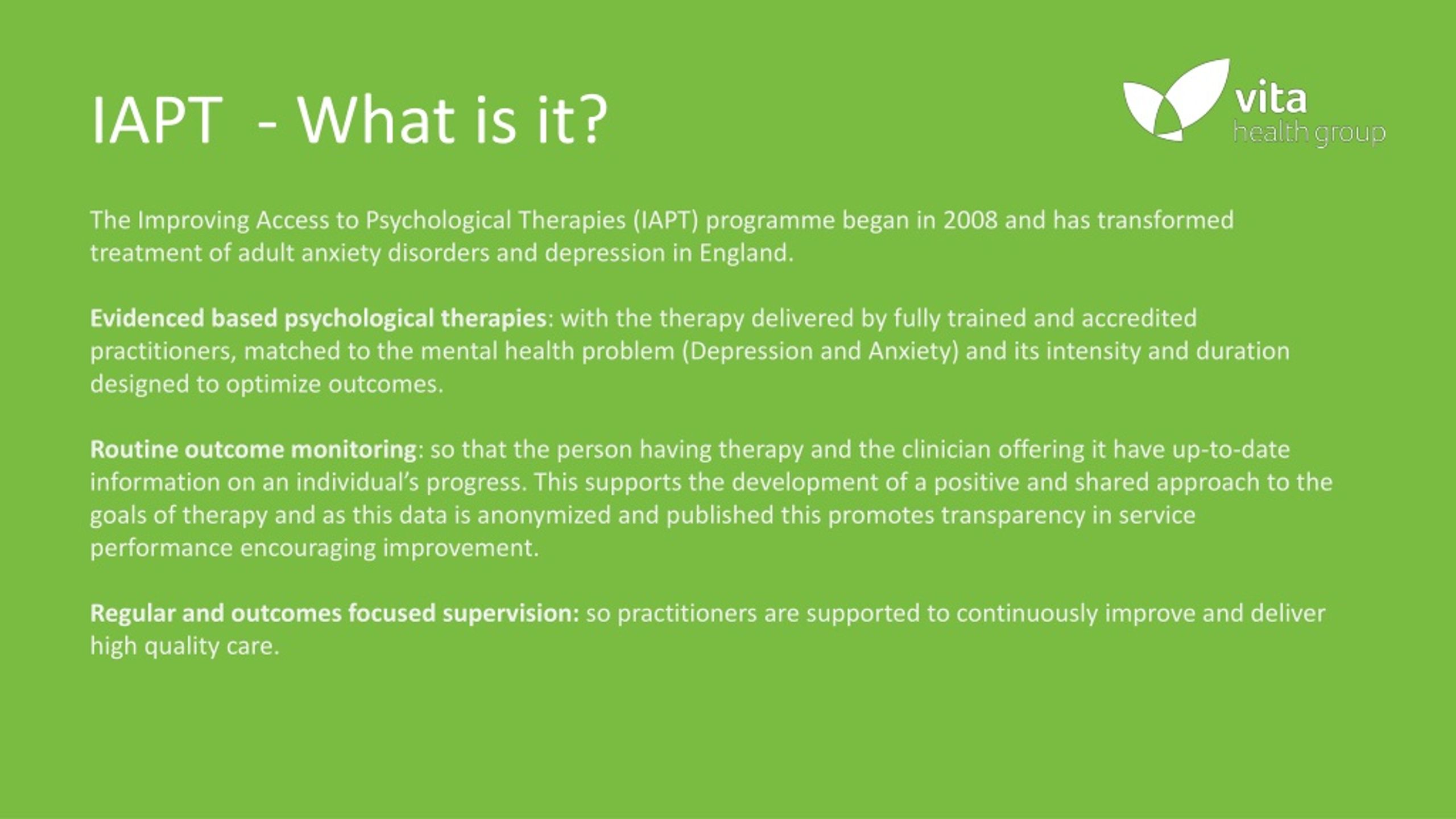
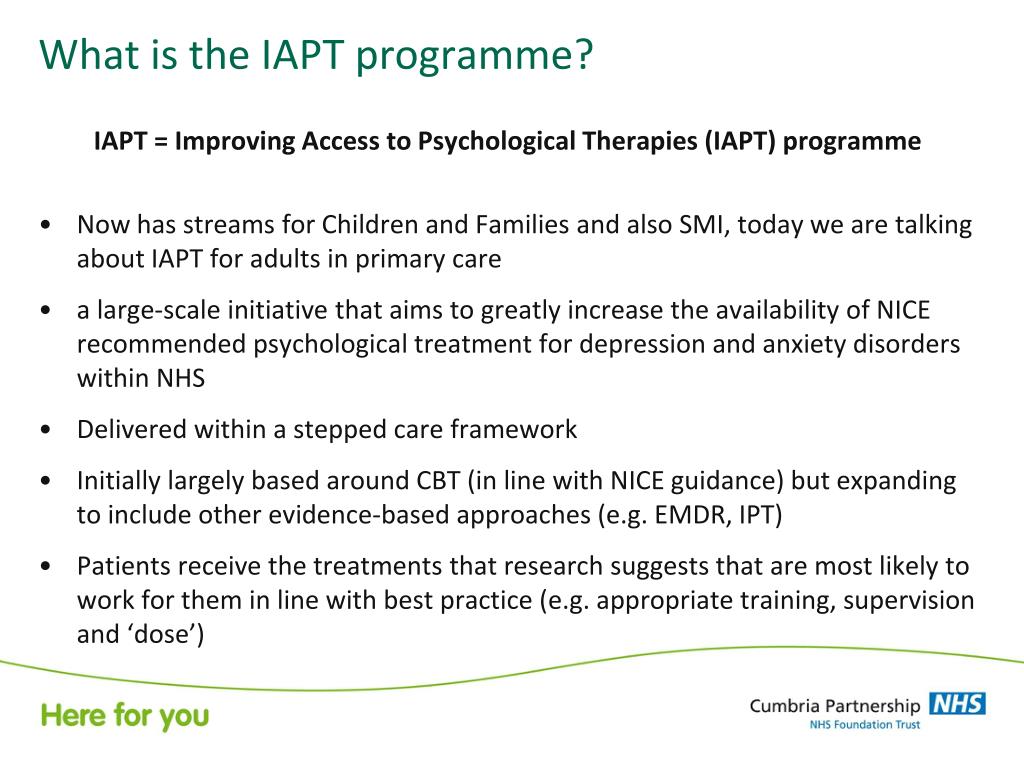
At its simplest level, IAPT is the NHS’s dedicated pathway for talking therapies. Before 2008, getting professional psychological help often meant long waitlists, out-of-pocket costs for private care, or simply having nowhere to turn. IAPT was designed to break down those barriers. It ensures that evidence-based talking therapies are available to anyone in the UK who needs them, regardless of their background or income. It’s not a replacement for general mental health services, but a specialized layer focused specifically on common mental health disorders.
The Core Philosophy: Evidence Over Intuition
One of the most defining features of IAPT is its strict adherence to clinical guidelines. This isn't about guesswork or alternative remedies that lack scientific backing. The program relies heavily on treatments proven to work by rigorous research. Two pillars dominate this approach: Cognitive Behavioural Therapy (CBT) and Behavioural Activation.
CBT helps individuals identify negative thought patterns and change behaviors that keep them stuck in cycles of anxiety or low mood. Behavioural Activation is particularly effective for depression, focusing on gentle re-engagement with daily activities to break the spiral of withdrawal. By standardizing these approaches, IAPT ensures that the therapy you receive isn't just a friendly chat with a counselor, but a structured intervention designed to produce measurable results.
How Do You Actually Start?
Accessing IAPT is generally straightforward, though it can vary slightly depending on your local NHS trust. The most common route is through a referral from your General Practitioner (GP). During a consultation, if your doctor suspects you are struggling with anxiety or depression, they can refer you directly to the local IAPT service.
However, you don’t always need a doctor. Most IAPT services in England also allow self-referral. This is a significant shift from the past. You can usually find your local service by searching online for "IAPT referral [your area]" or checking the NHS website. Once in contact, you will go through an assessment. This is a standard procedure where a coordinator asks about your symptoms, history, and current situation to determine the best course of action.
What Kinds of Treatment Are Available?
Once assessed, you’ll likely be offered one of several options, depending on the severity of your condition and your personal preferences.
- Low-Intensity Support: This might involve guided self-help booklets, online CBT courses, or workshops. You’ll have regular check-ins with a counselor to keep you on track. It’s great for mild to moderate symptoms or as a starter step before moving to more intensive therapy.
- High-Intensity Therapy: For more complex or severe cases, you may be referred to a senior therapist for one-on-one face-to-face CBT sessions. This is the classic "talking therapy" model, usually consisting of 6 to 20 weekly sessions.
- Medication Management: If therapy alone isn’t enough, or as part of a combined approach, a psychiatrist or GP might prescribe antidepressants. Counselling Skills Therapy (CST) is often provided here, where staff with counseling skills help manage medication and monitor side effects.
- Indicated Relapse Prevention: For those who have been treated but are at risk of symptoms returning, short sharp interventions can help maintain progress.
Does It Actually Work?
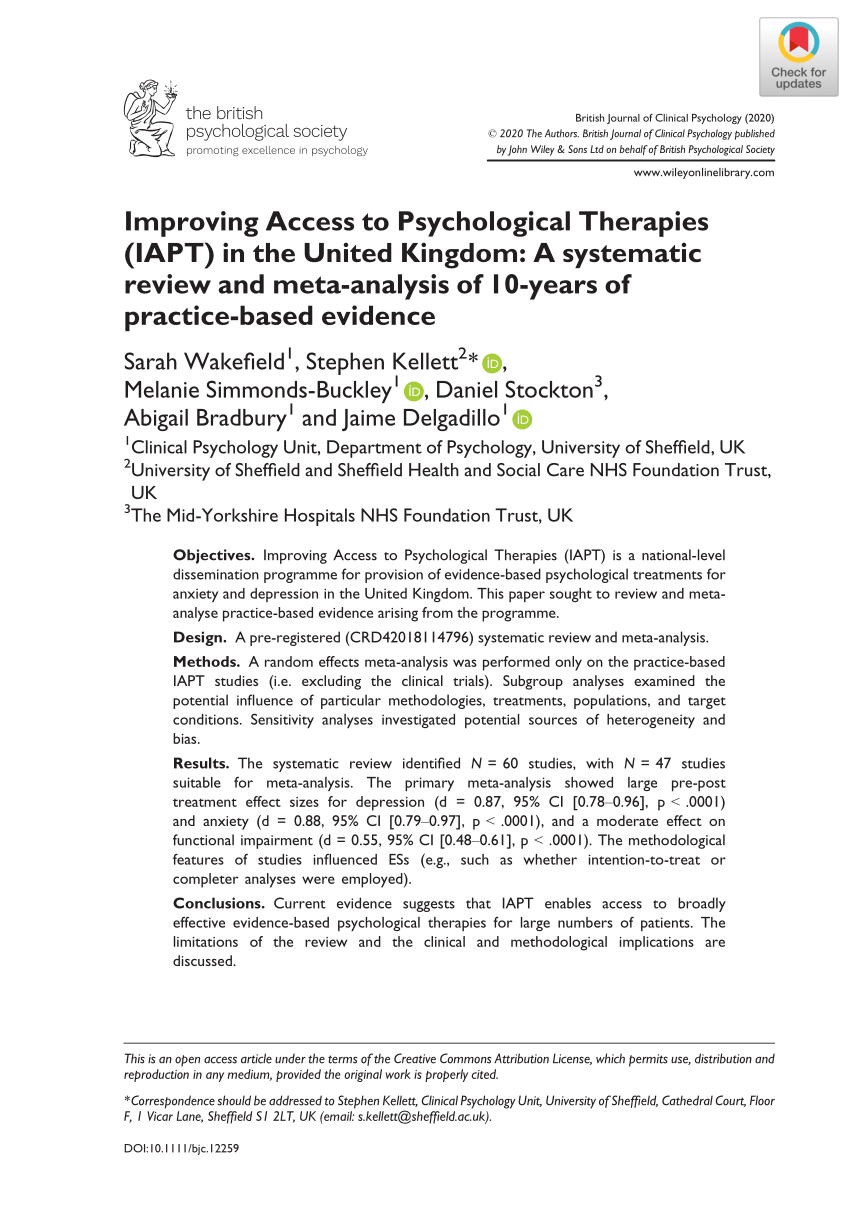
This is the million-dollar question, and the data is surprisingly positive. Since its launch, IAPT has treated millions of patients. The most commonly cited statistic is that around 50% of patients report being significantly improved after completing treatment. While that might sound modest at first glance—after all, nobody wants a coin-flip chance of recovery—it’s a massive achievement in public health.
Consider that for those 50%, it means moving from a state of functional impairment to living their lives without the heavy burden of anxiety or depression. For the other half, the service doesn't fail; it often provides crucial support, stabilizes crises, or acts as a bridge to other specialized care. The transparency of IAPT’s data collection is also commendable. Because every patient completes standardized questionnaires at the start and end of treatment, the NHS can continuously monitor quality and effectiveness. This data-driven approach allows services to adapt and improve in real-time, something rarely seen in older, less structured healthcare models.
Limitations and The Modern Reality
It’s important to be realistic. IAPT is not a silver bullet. It focuses primarily on anxiety and depression. If you are experiencing conditions like bipolar disorder, schizophrenia, or severe eating disorders, IAPT may not be the primary route. These conditions often require specialized community mental health teams rather than standard therapy pathways.
Wait times can also be a issue. With high demand, some areas experience delays between referral and starting treatment. It’s never a one-size-fits-all solution. Some people feel pressured into low-intensity digital courses when they desperately want a human connection. Others find the rigid structure of CBT too clinical.
Despite these challenges, the accessibility remains its strongest virtue. Before IAPT, therapeutic help was a luxury or a privilege. Now, it is a standard part of the NHS. It democratizes mental health care, ensuring that help is available when you need it, free at the point of use. For many, that simple fact transforms the experience from one of isolation to one of supported recovery.
Quick Questions About IAPT
Is IAPT completely free?
Yes. As part of the NHS, there is no cost for IAPT treatment if you are registered in England. There may be small out-of-pocket costs for things like prescription meds in Scotland, Wales, and Northern Ireland, but the therapy itself is covered.
Can I get IAPT for relationship issues?
Not directly. IAPT focuses on individual mental health conditions like anxiety and depression. If your relationship struggles are causing you significant anxiety, IAPT can help you manage that anxiety, but it does not offer couples counseling.
What if I don’t like the therapist?
This happens. It’s a recognized part of the process. You have the right to ask for a different therapist. Good IAPT services have protocols to ensure you are matched with someone you feel comfortable with.