Understanding IPSec Phases for Secure VPN Connections
When it comes to securing virtual private network (VPN) connections, IPSec (Internet Protocol Security) is a widely used protocol that ensures confidentiality, integrity, and authenticity of data. IPSec operates in two main phases: phase 1 and phase 2. In this article, we'll delve into the details of each phase, exploring how they work together to provide a secure VPN connection.
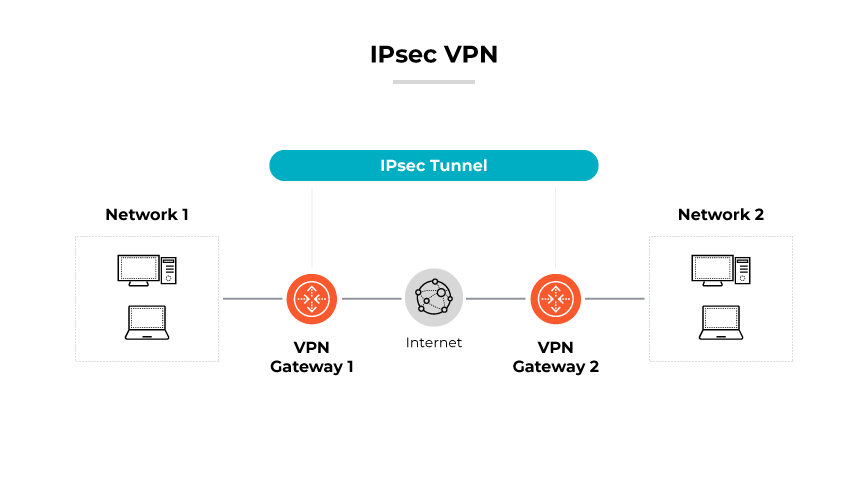
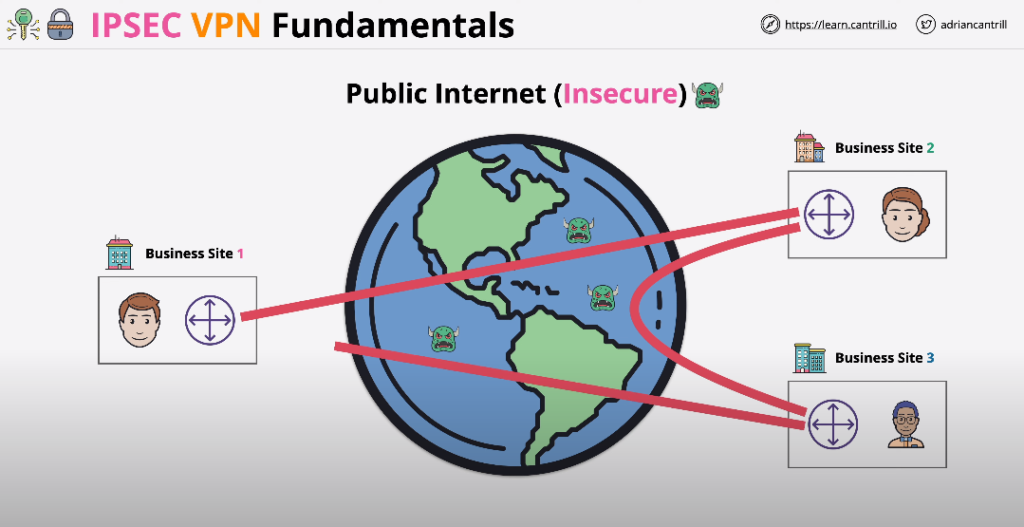
To appreciate the importance of IPSec phases, it's essential to understand the basics of VPNs. A VPN extends a private network across a public network, such as the internet, enabling users to send and receive data as if they were connected directly to the private network. However, this setup also introduces security risks, as data travels through the public network. This is where IPSec comes into play, encrypting and authenticating data to prevent unauthorized access.
IPSec Phase 1: Establishing the Security Association
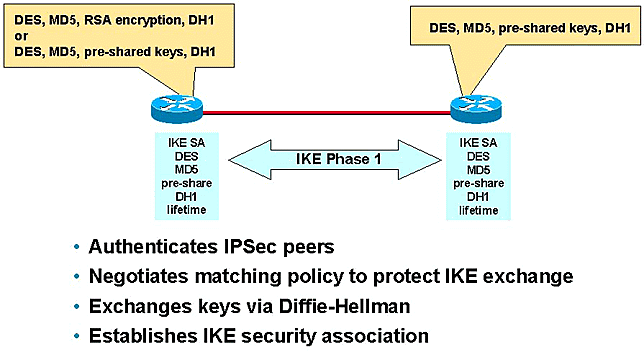
Phase 1 of the IPSec process is responsible for establishing a security association (SA) between the VPN endpoints. This phase involves negotiating the terms of the connection, including the encryption algorithm, authentication method, and other parameters. The SA is a set of parameters that defines how the data will be encrypted and authenticated. There are two main modes in phase 1: main mode and aggressive mode. Main mode is the default mode, which provides a more secure connection but is slower due to the additional steps involved. Aggressive mode, on the other hand, is faster but less secure, making it more suitable for situations where speed is critical.
The outcome of phase 1 is the establishment of an Internet Security Association and Key Management Protocol (ISAKMP) SA, which is used to secure subsequent phases of the IPSec connection. This SA is essential for ensuring the confidentiality and integrity of the data exchanged during the connection setup.
IPSec Phase 2: Securing Data Transfer
Once the SA is established in phase 1, phase 2 can begin. This phase is responsible for securing the actual data transfer between the VPN endpoints. Phase 2 operates in one of two modes: transport mode or tunnel mode. Transport mode encrypts only the payload of the IP packet, leaving the original IP header intact. This mode is typically used for host-to-host VPNs, where the VPN connection is established between two individual hosts. Tunnel mode, on the other hand, encrypts the entire IP packet, including the header, and encapsulates it in a new IP packet. This mode is commonly used for site-to-site VPNs, where the VPN connection is established between two networks.
In phase 2, the data is encrypted using the keys and parameters negotiated during phase 1. The encrypted data is then transmitted over the public network, ensuring that only authorized parties can access the data. Phase 2 also involves periodic rekeying, where new encryption keys are generated to replace the existing ones, further enhancing the security of the connection.
Challenges and Considerations
While IPSec phases provide a robust security framework for VPN connections, there are challenges and considerations to keep in mind. One of the primary concerns is the complexity of configuring IPSec, particularly for those without extensive networking experience. Additionally, the performance impact of IPSec encryption can be significant, particularly for high-bandwidth applications. It's essential to carefully evaluate the trade-offs between security and performance when implementing IPSec.
- Complexity of configuration: IPSec requires careful configuration to ensure that the security parameters are correctly set up.
- Performance impact: IPSec encryption can introduce latency and reduce throughput, particularly for resource-intensive applications.
- Compatibility issues: IPSec may not be compatible with all network devices or operating systems, requiring careful planning and testing.
In conclusion, understanding IPSec phases is crucial for securing VPN connections. By grasping the concepts of phase 1 and phase 2, individuals can appreciate the intricacies of IPSec and make informed decisions about their VPN setup. While IPSec phases provide a robust security framework, it's essential to balance security with performance and usability considerations to ensure a seamless and secure VPN experience.