Understanding Marketing Channels: A Comprehensive Guide
When it comes to promoting a product or service, businesses have a plethora of options at their disposal. With the rise of digital marketing, the number of available marketing channels has increased exponentially, making it challenging for companies to decide which ones to use. In this article, we will delve into the world of marketing channels, exploring what they are, the different types, and how to choose the most effective ones for your business.
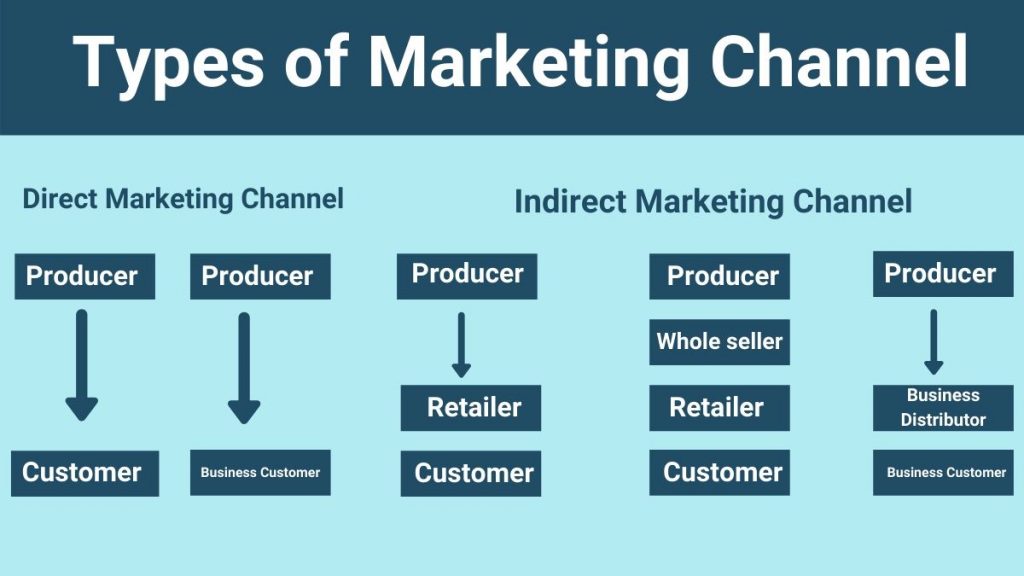
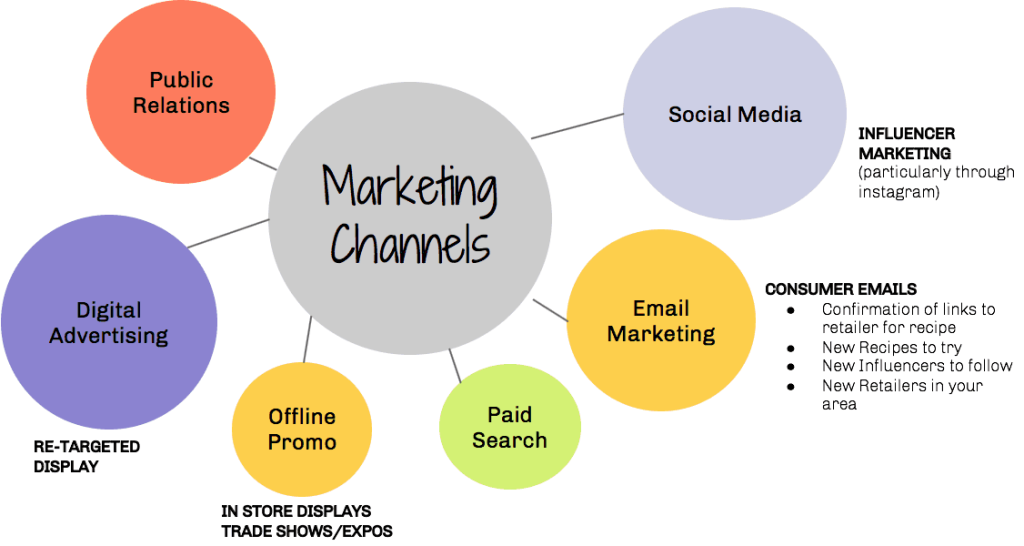
A marketing channel refers to a medium or platform used to communicate with potential customers and promote a product or service. It is a vital component of any marketing strategy, as it enables businesses to reach their target audience and convey their message effectively. Marketing channels can be broadly categorized into two main types: online and offline channels.
Online Marketing Channels
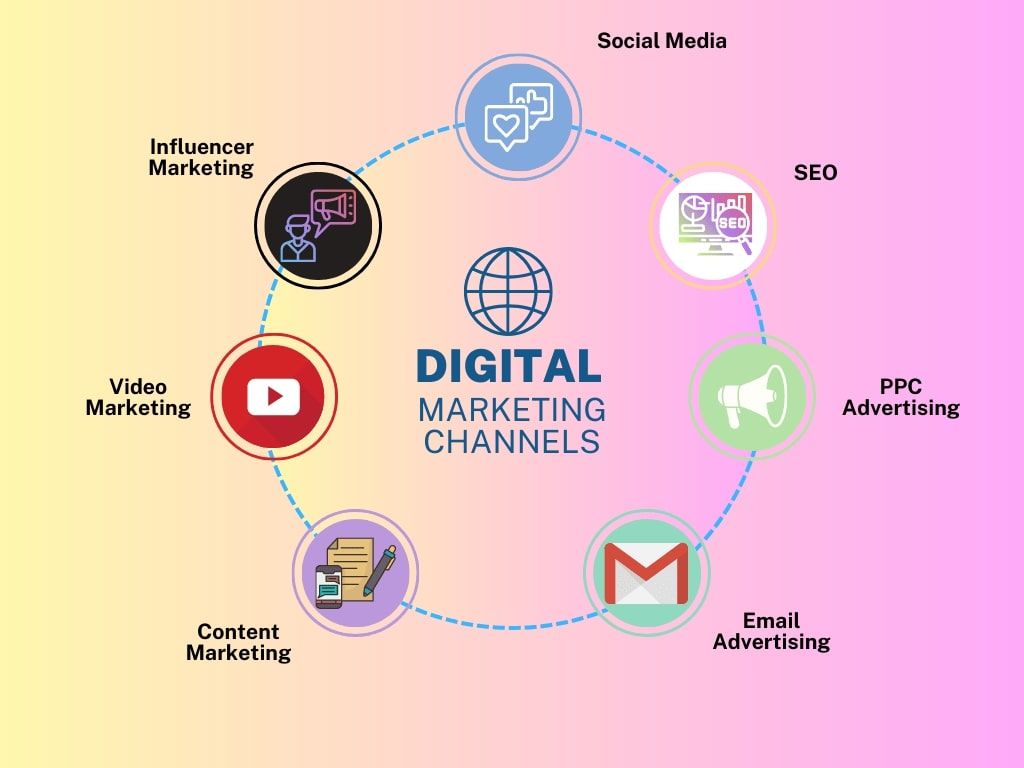
Online marketing channels have become increasingly popular in recent years, thanks to the widespread adoption of the internet and social media. Some of the most common online marketing channels include:
- Social media platforms, such as Facebook, Twitter, and LinkedIn
- Email marketing
- Search engine optimization (SEO)
- Pay-per-click (PPC) advertising
- Content marketing, including blog posts and videos
These channels offer a range of benefits, including increased reach, cost-effectiveness, and the ability to track and measure performance. However, they also require a significant amount of time and effort to manage and maintain.
Offline Marketing Channels
Offline marketing channels, on the other hand, refer to traditional methods of promoting a product or service. These include:
- Print advertising, such as newspapers and magazines
- Television and radio advertising
- Outdoor advertising, including billboards and posters
- Event marketing, such as trade shows and conferences
- Word-of-mouth marketing
Offline marketing channels can be effective for reaching a local audience and creating a tangible presence. However, they can be more expensive and challenging to measure than online channels.
Choosing the Right Marketing Channels
With so many marketing channels available, it can be overwhelming to decide which ones to use. The key is to understand your target audience and their preferences. Consider the following factors when selecting marketing channels:
- Demographics: What is the age, gender, and location of your target audience?
- Interests: What are the hobbies and interests of your target audience?
- Behavior: How does your target audience behave online and offline?
- Goals: What are the goals and objectives of your marketing campaign?
By understanding these factors, you can create a marketing strategy that effectively reaches and engages your target audience. It's also essential to continuously monitor and evaluate the performance of your marketing channels to ensure they are meeting your goals and objectives.
Measuring the Effectiveness of Marketing Channels
Measuring the effectiveness of marketing channels is crucial to understanding which ones are working and which ones need improvement. There are several metrics to consider, including:
- Website traffic and engagement
- Conversion rates
- Return on investment (ROI)
- Customer acquisition cost (CAC)
By tracking these metrics, you can gain valuable insights into the performance of your marketing channels and make data-driven decisions to optimize your marketing strategy.
Conclusion
In conclusion, marketing channels are a critical component of any marketing strategy. By understanding the different types of marketing channels, including online and offline channels, businesses can create a comprehensive marketing plan that effectively reaches and engages their target audience. Remember to continuously monitor and evaluate the performance of your marketing channels to ensure they are meeting your goals and objectives. With the right marketing channels in place, you can drive traffic, generate leads, and boost sales for your business.