Understanding Police Report Cases: A Complete Guide
Ever found yourself staring at a police report and wondering what the jargon really means? You’re not alone. Those documents can feel like a maze of codes, dates, and legalese, but cracking them doesn’t require a law degree—just a bit of patience and the right roadmap.
What Exactly Is a Police Report?
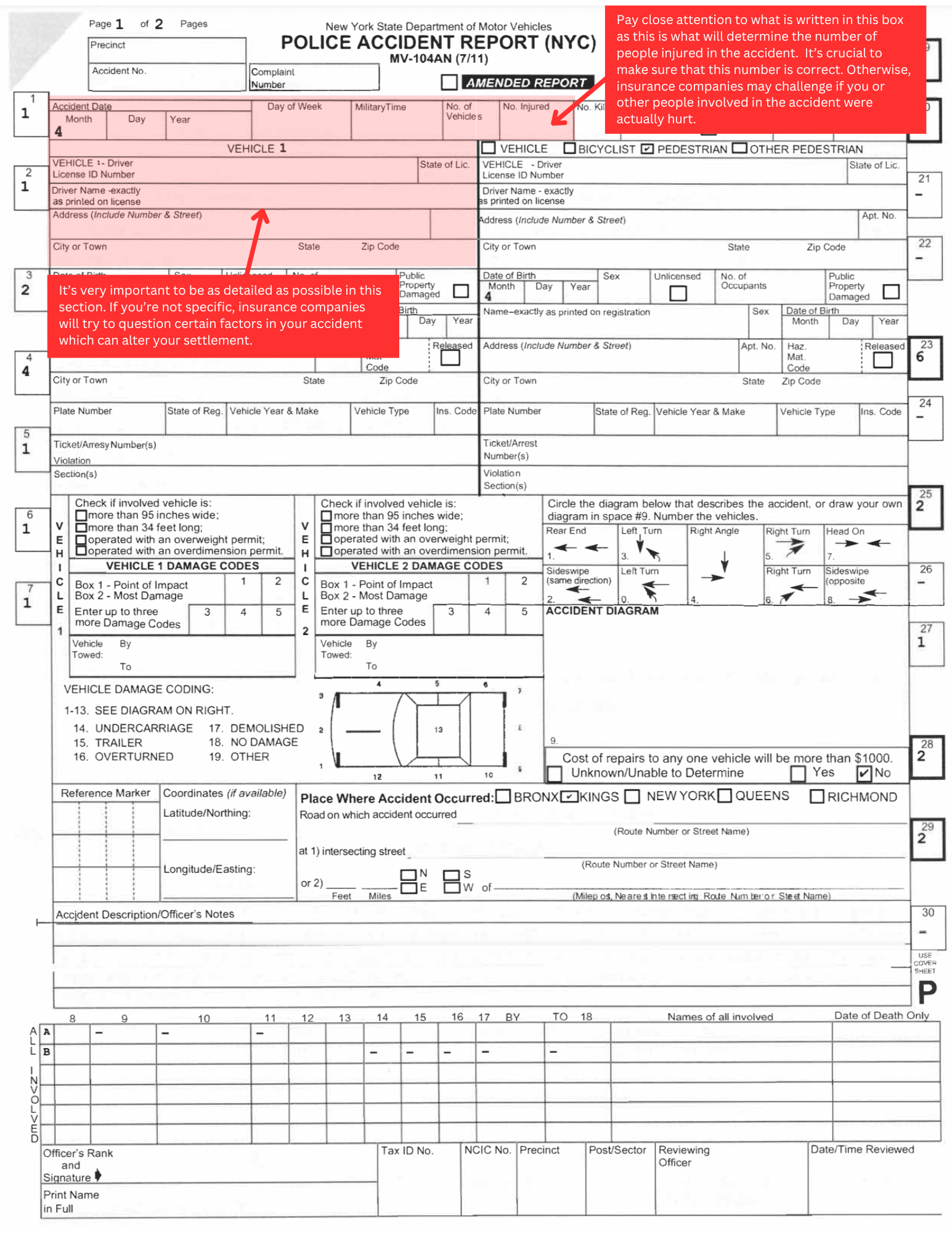
A police report is essentially a written record of an incident that law‑enforcement officers have responded to. It captures who, what, when, where, and how—sometimes even why. Think of it as the official memory of an event, preserved for investigations, insurance claims, or court proceedings.
Reports vary by jurisdiction, but most share a common backbone: the officer’s observations, statements from witnesses, and any physical evidence collected on the scene. The level of detail can range from a brief paragraph for a minor traffic stop to dozens of pages for a complex felony.
Breaking Down the Main Sections
Most reports follow a similar structure. Knowing where to look can save you hours of scrolling.
- Header Information – Includes report number, date, time, and the agency filing the document.
- Incident Summary – A concise description of the event, often written in the officer’s own words.
- Parties Involved – Names, addresses, and contact details for victims, suspects, and witnesses.
- Evidence Log – Lists photographs, seized items, and forensic findings.
- Officer Narrative – A step‑by‑step account of what happened, what actions were taken, and any follow‑up required.
Some reports also contain a Disposition field, indicating whether the case was closed, referred to prosecutors, or needs further investigation.
Reading Between the Lines
Words matter. Phrases like “suspect fled the scene” hint at unresolved elements, while “victim cooperative” may affect how insurance adjusters view the claim. Spotting subtle qualifiers—“alleged,” “reportedly,” “appears”—helps you gauge the certainty behind each statement.
How to Get a Copy of Your Report
Need the document for an insurance claim or a personal record? Here’s a quick checklist:
- Identify the agency that responded (city police, county sheriff, etc.).
- Gather basic case details: date, location, and incident type.
- Submit a request in writing or through the agency’s online portal.
- Prepare for a possible fee; many departments charge a nominal charge for copying.
- Bring a valid ID; some jurisdictions restrict access to parties directly involved.
In some states, you can request reports via a Freedom of Information Act (FOIA) request, but expect a longer turnaround.
Common Pitfalls to Watch Out For
Even once you have the report, it’s easy to misinterpret or misuse it.
- Assuming Completeness – Reports are snapshots, not exhaustive investigations. Missing details don’t mean the facts are unknown, just that they weren’t recorded at that moment.
- Overlooking Redactions – Sensitive information (e.g., minors’ identities) is often blacked out, which can affect the narrative.
- Confusing Opinion with Fact – An officer’s subjective impression (“seemed intoxicated”) is not the same as a positive test result.
- Ignoring Timelines – The order of events can be crucial, especially if multiple calls were involved.
When in doubt, compare the report with any personal notes you took at the time. Discrepancies are worth double‑checking, especially before submitting to insurers or courts.
When to Bring in Professional Help
If you’re dealing with a serious charge, a complex accident, or a dispute over liability, a legal professional can interpret nuances that most people miss. Attorneys can also request supplemental records—such as dash‑cam footage or dispatch logs—that aren’t part of the standard report.
Even a brief consultation can clarify whether the report’s language might impact your case. It’s a small investment that often prevents bigger headaches down the road.
Tips for Using a Police Report Effectively
Here are a handful of practical ideas to make the most of the document you’ve obtained:
- Highlight Key Facts – Mark dates, locations, and names that directly relate to your claim.
- Cross‑Reference Witness Statements – Align their accounts with the officer’s narrative to spot inconsistencies.
- Attach Supporting Evidence – Photographs, medical records, or receipts can reinforce the report’s findings.
- Keep a Clean Copy – Store a digital version in PDF format; it’s easier to share and less likely to get lost.
Remember, a police report is a tool, not a verdict. It sets the stage, but you still control how the story unfolds in the eyes of insurers, courts, or any other audience.
Final Thoughts
Decoding a police report doesn’t have to feel like solving a mystery novel. By understanding its sections, knowing how to obtain it, and recognizing common traps, you can navigate the process with confidence. Whether you’re filing an insurance claim, defending yourself, or simply want a clear record of what happened, a little insight goes a long way.