Understanding Recovery After HER2‑Positive Cancer
What Is HER2‑Positive Cancer?
HER2‑positive cancer is a subtype of breast (and occasionally gastric or ovarian) cancer marked by an overabundance of the human epidermal growth factor receptor 2 protein on tumor cells. This excess drives faster cell division, often leading to a more aggressive disease. Knowing whether a tumor is HER2‑positive is crucial because it opens the door to targeted therapies that have transformed survival rates over the past two decades.
How Diagnosis Shapes the Recovery Journey
When a biopsy reveals HER2 amplification, doctors run a series of tests—immunohistochemistry (IHC) and fluorescence in‑situ hybridisation (FISH)—to confirm the status. The results guide the treatment plan, which in turn influences the recovery timeline. Patients who start targeted therapy early tend to experience fewer recurrences, so the initial diagnostic phase feels like the first step toward a hopeful recovery.
Targeted Therapies: The Backbone of Modern Treatment
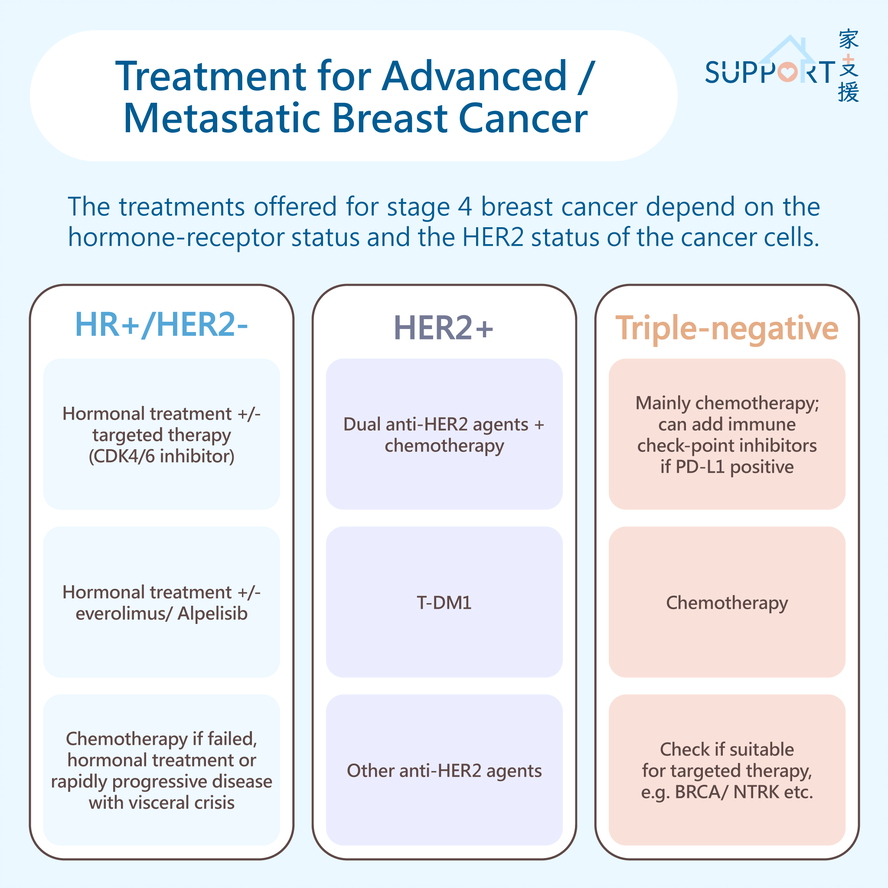
Unlike traditional chemotherapy, which attacks all rapidly dividing cells, HER2‑directed drugs hone in on the receptor itself. The most common agents include:
- Trastuzumab (Herceptin) – a monoclonal antibody that blocks HER2 signaling.
- Pertuzumab (Perjeta) – often combined with trastuzumab for a double‑hit approach.
- Ado‑trastuzumab emtansine (Kadcyla) – an antibody‑drug conjugate delivering chemotherapy directly to HER2‑positive cells.
- Lapatinib (Tykerb) – a small‑molecule tyrosine‑kinase inhibitor used when disease progresses.
These drugs can be given before surgery (neoadjuvant), after surgery (adjuvant), or in the metastatic setting. Their impact on recovery is profound: many patients achieve a pathologic complete response, meaning no residual cancer is found at surgery, which dramatically lowers the risk of future relapse.
Combining Targeted Agents with Conventional Treatments
For most patients, HER2‑directed therapy is paired with chemotherapy, radiation, or surgery. The combination maximizes tumor shrinkage but also adds layers of side‑effects that must be managed carefully. For instance, trastuzumab can cause cardiac strain, so a baseline echocardiogram and periodic monitoring become part of the recovery protocol. Understanding these nuances helps patients anticipate appointments and adjust lifestyle habits accordingly.
Managing Side Effects During Recovery
Side effects vary widely, but common challenges include:
- Fatigue – often worsens during the first few cycles of chemo.
- Cardiotoxicity – subtle reductions in heart function that may be reversible.
- Dermatologic reactions – rashes or hand‑foot syndrome from certain tyrosine‑kinase inhibitors.
- Gastrointestinal upset – nausea, diarrhea, or constipation depending on the regimen.
Proactive measures—regular cardio‑checks, balanced nutrition, gentle exercise, and open communication with the oncology team—can keep these issues from derailing the broader recovery plan.
Nutrition and Physical Activity: Small Tweaks, Big Gains
Evidence suggests that a diet rich in lean proteins, whole grains, and plenty of fruits and vegetables supports tissue repair and immune function. While there’s no one‑size‑fits‑all “cancer diet,” avoiding excessive processed foods and maintaining a moderate calorie intake helps manage weight fluctuations caused by treatment.
Physical activity, even light walking or yoga, can mitigate fatigue and preserve muscle mass. A physiotherapist experienced with oncology patients can tailor an exercise schedule that respects any surgical or radiation constraints. The goal isn’t to train for a marathon but to keep the body moving enough to foster circulation and mood stability.
Emotional Resilience and Support Networks
Recovery isn’t purely physical. The uncertainty surrounding HER2‑positive disease often triggers anxiety, especially when treatment involves multiple modalities. Psychosocial support—whether through counseling, peer groups, or online forums—has been linked to better adherence to therapy and improved quality of life. A simple practice like journaling or mindfulness meditation can also provide a mental anchor during the ebb and flow of treatment cycles.
Follow‑Up Care: The Long‑Term Perspective
After the acute phase of therapy, patients transition to a surveillance schedule. Typically, this includes clinical exams every 3–6 months for the first few years, annual mammograms, and periodic cardiac imaging if trastuzumab was part of the regimen. Detecting a recurrence early remains the cornerstone of sustained recovery, so staying vigilant about new symptoms—such as a lump, unexplained pain, or changes in heart rhythm—is essential.
When Recurrence Happens: A Second Chance at Recovery
Unfortunately, not every HER2‑positive cancer stays in remission. If the disease returns, newer agents like tucatinib or neratinib may be introduced, often in combination with existing therapies. Clinical trials also offer access to cutting‑edge treatments, and many patients find renewed hope by participating in research. The same principles—close monitoring, side‑effect management, and emotional support—apply, albeit with a fresh set of challenges.
Key Takeaways for a Successful Recovery
Understanding the biology of HER2‑positive cancer empowers patients to make informed decisions about their treatment. Targeted therapies have shifted the prognosis dramatically, but recovery remains a multifaceted process involving medical care, lifestyle adjustments, and emotional well‑being. By staying engaged with the care team, monitoring heart health, embracing gentle activity, and leaning on supportive communities, individuals can navigate the recovery journey with confidence.
Frequently Asked Questions
Can HER2‑positive breast cancer be cured?
While “cure” is a nuanced term, many patients achieve long‑term remission, especially when they respond well to HER2‑targeted therapy and maintain diligent follow‑up care.
Is cardiac monitoring necessary for everyone on trastuzumab?
Yes. Baseline and periodic echocardiograms are standard because trastuzumab can affect heart function, even if most changes are reversible.
Do I have to stop exercise during chemotherapy?
Not necessarily. Light to moderate activity is encouraged, but it should be tailored to your energy levels and any surgical restrictions. Always discuss your plan with a physiotherapist or oncologist.
What should I do if I experience a new lump during follow‑up?
Contact your oncology team promptly. Early imaging and evaluation can differentiate between benign changes and a potential recurrence, allowing timely intervention.