Understanding Sahara Dust: A Comprehensive Guide
Sahara dust, also known as Saharan Air Layer, is a phenomenon that has been occurring for centuries, where massive amounts of dust particles are lifted from the Sahara Desert and transported across the globe. This natural phenomenon has significant implications for the environment, climate, and human health. In this article, we will delve into the world of Sahara dust, exploring its causes, effects, and interesting facts.
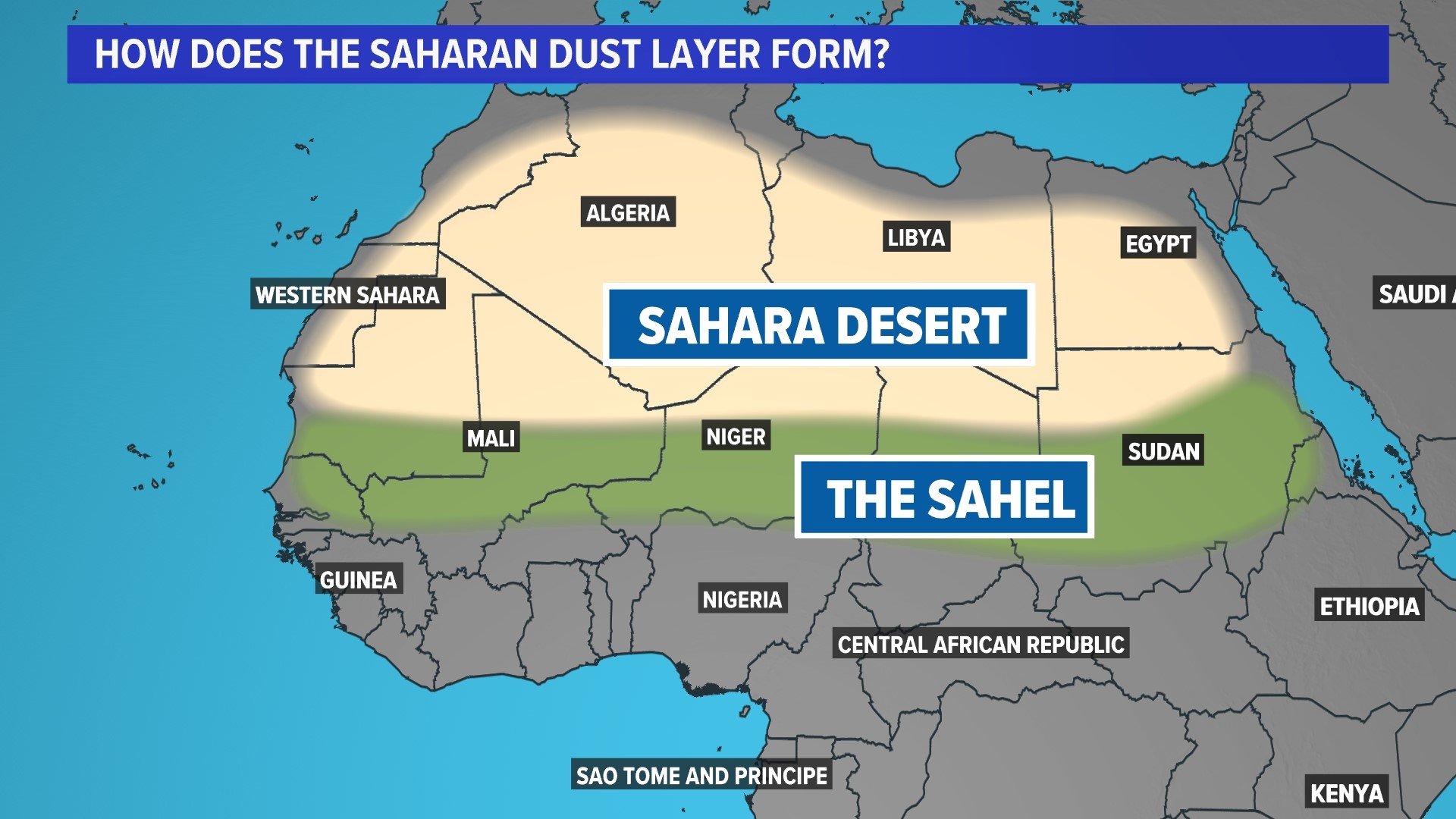
The Sahara Desert, spanning across North Africa, is the largest hot desert in the world, covering an area of approximately 9,200,000 square kilometers. The desert's unique geography, with its vast expanses of sand dunes and lack of vegetation, makes it an ideal breeding ground for dust storms. During the summer months, strong winds and thunderstorms lift massive amounts of dust particles into the air, which are then carried away by trade winds.
Causes of Sahara Dust
Several factors contribute to the formation of Sahara dust, including:
- Wind patterns: Trade winds, also known as Harmattan winds, play a significant role in transporting dust particles from the Sahara Desert to other parts of the world.
- Thunderstorms: During the summer months, thunderstorms in the Sahara Desert lift massive amounts of dust particles into the air, which are then carried away by winds.
- Drought: Prolonged droughts in the Sahara Desert lead to an increase in dust storms, as the lack of vegetation and moisture allows dust particles to become airborne more easily.
Effects of Sahara DustThe effects of Sahara dust are far-reaching, impacting not only the environment but also human health and the economy. Some of the significant effects include:
Environmental impacts: Sahara dust can affect the environment in several ways, including:
- Climate change: Sahara dust can influence global climate patterns, as it absorbs and reflects solar radiation, affecting temperature and precipitation patterns.
- Ocean fertilization: Sahara dust can act as a fertilizer for phytoplankton in the ocean, promoting the growth of these microscopic plants and affecting the ocean's ecosystem.
- Soil degradation: The deposition of Sahara dust can lead to soil degradation, as the dust particles can alter the soil's pH and nutrient balance.
Human health impacts: Inhaling Sahara dust can have significant health implications, particularly for people with respiratory problems. The dust particles can cause:
- Respiratory issues: Inhaling Sahara dust can exacerbate respiratory problems, such as asthma and bronchitis.
- Allergies: The dust particles can also trigger allergic reactions, particularly in people with sensitive immune systems.
Interesting Facts About Sahara Dust
Despite its potential negative impacts, Sahara dust is also fascinating in its own right. Here are some interesting facts about Sahara dust:
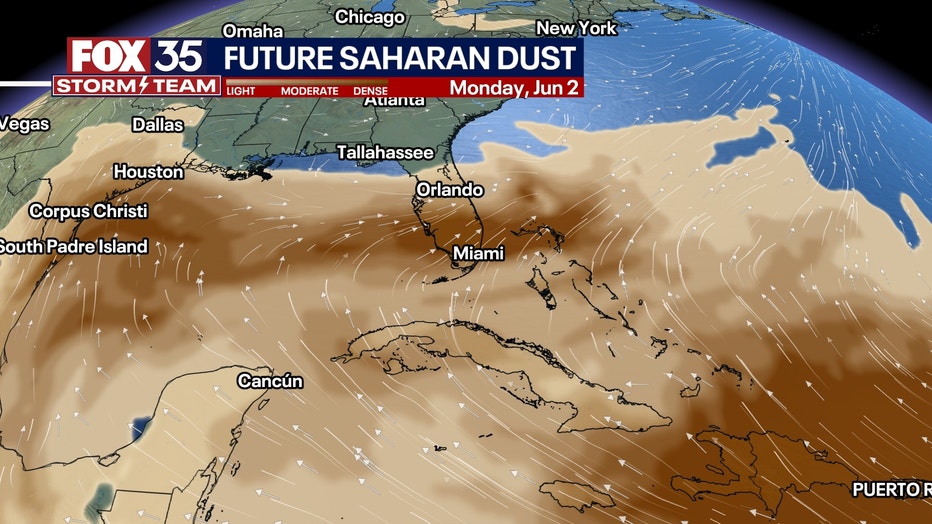
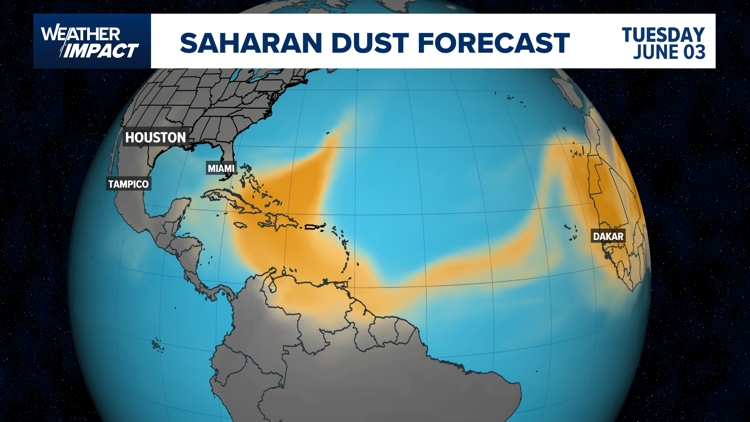
- Global reach: Sahara dust can travel vast distances, reaching as far as the Americas and Asia.
- Size and scale: The Sahara dust cloud can be massive, covering an area of over 4,000 kilometers in diameter.
- Impact on weather patterns: Sahara dust can influence local weather patterns, leading to the formation of thunderstorms and heavy rainfall in some areas.
In conclusion, Sahara dust is a complex and fascinating phenomenon that has significant implications for the environment, climate, and human health. By understanding the causes and effects of Sahara dust, we can better appreciate the intricacies of our planet's ecosystem and work towards mitigating its negative impacts.