Understanding Simbiose Parasitisme: Definition, Examples, and Impacts
In the intricate web of life, organisms interact in complex relationships that can be mutually beneficial, neutral, or detrimental to one another. One such relationship is parasitism, a type of symbiotic interaction where one organism, the parasite, benefits at the expense of another organism, the host. This article aims to explore the concept of Simbiose Parasitisme, its examples, and the impacts it has on ecosystems and human health.
What is Simbiose Parasitisme?
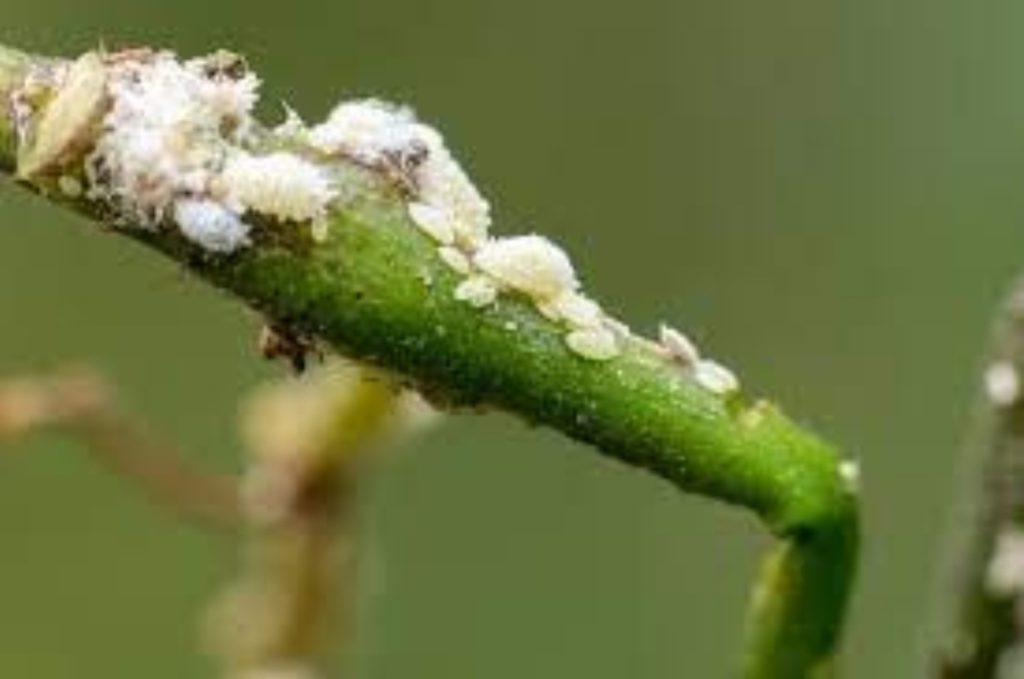
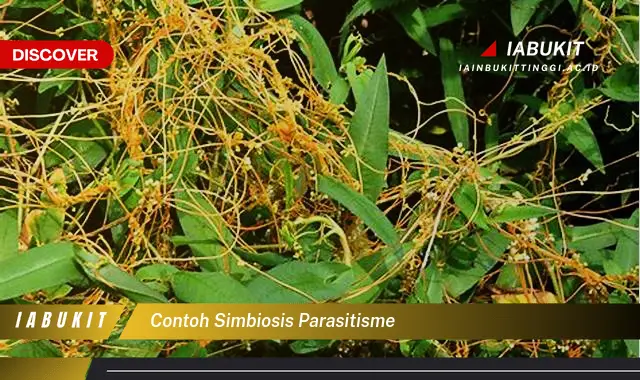
Simbiose Parasitisme, or parasitic symbiosis, refers to the relationship between a parasite and its host. In this relationship, the parasite derives nutrients or benefits from the host, which often suffers negative consequences. This interaction is a classic example of a symbiotic relationship, where two organisms live in close association, but with one being exploited.
Types of Parasitism
There are several types of parasitism, including:
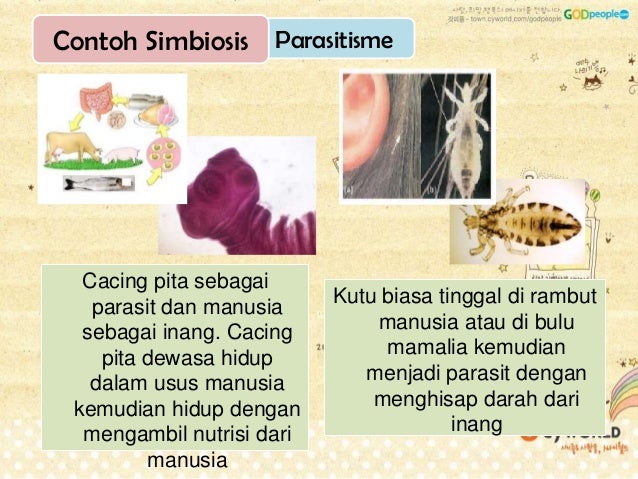
- Endoparasitism: The parasite lives inside the host's body, such as tapeworms in the digestive system.
- Ectoparasitism: The parasite lives on the host's body surface, such as ticks on a dog's fur.
- Brood parasitism: The parasite lays its eggs in the host's nest, such as cuckoos laying eggs in other birds' nests.
Examples of Simbiose Parasitisme
Examples of parasitism can be found in various ecosystems:
- Malaria: The Plasmodium parasite infects red blood cells, causing disease in humans.
- Lice and humans: Lice live on human hair and feed on skin debris and blood.
- Cuckoo and host birds: The cuckoo lays its eggs in the nest of other birds, which then raise the cuckoo chicks.
- Tapeworms and livestock: Tapeworms infect the digestive system of livestock, causing nutritional deficiencies.
Impacts of Simbiose Parasitisme
The impacts of parasitism are multifaceted:
Ecosystem Effects
Parasitism can regulate host populations, maintaining ecosystem balance. However, it can also lead to the decline of host populations or even extinction if the parasite is highly virulent.
Human Health
Parasitic infections can cause significant morbidity and mortality in humans. Diseases like malaria, toxoplasmosis, and leishmaniasis are major public health concerns.
Evolutionary Adaptations
Hosts and parasites engage in an evolutionary arms race, with hosts developing resistance mechanisms and parasites evolving to evade these defenses.
Conclusion
Simbiose Parasitisme is a widespread and ecologically significant phenomenon. Understanding the complex relationships between parasites and hosts can provide insights into ecosystem dynamics, evolution, and human health. By studying parasitism, we can better appreciate the intricate web of life and develop strategies to mitigate the negative impacts of parasitic infections.