Understanding Sports Ball Sizes: A Complete Guide
Why the Right Size Matters
Whether you’re shooting hoops, kicking a soccer ball, or swinging a baseball, the size of the ball can dramatically influence performance and safety. A ball that’s too large may feel unwieldy, while one that’s too small can slip through your grip or alter the game’s dynamics. That’s why coaches, parents, and casual players alike keep an eye on sports ball sizes before making a purchase.
Beyond comfort, official regulations in most organized leagues dictate specific dimensions. Playing with the correct size ensures you’re competing on a level playing field and reduces the risk of injury caused by awkward handling.
Common Sizes Across Popular Sports
Here’s a quick rundown of the most widely used ball dimensions you’ll encounter on the field or court.
- Basketball – Most adult leagues use a Size 7 ball (29.5 inches circumference, 22 oz). Youth leagues often opt for Size 6 (28.5 inches, 20 oz).
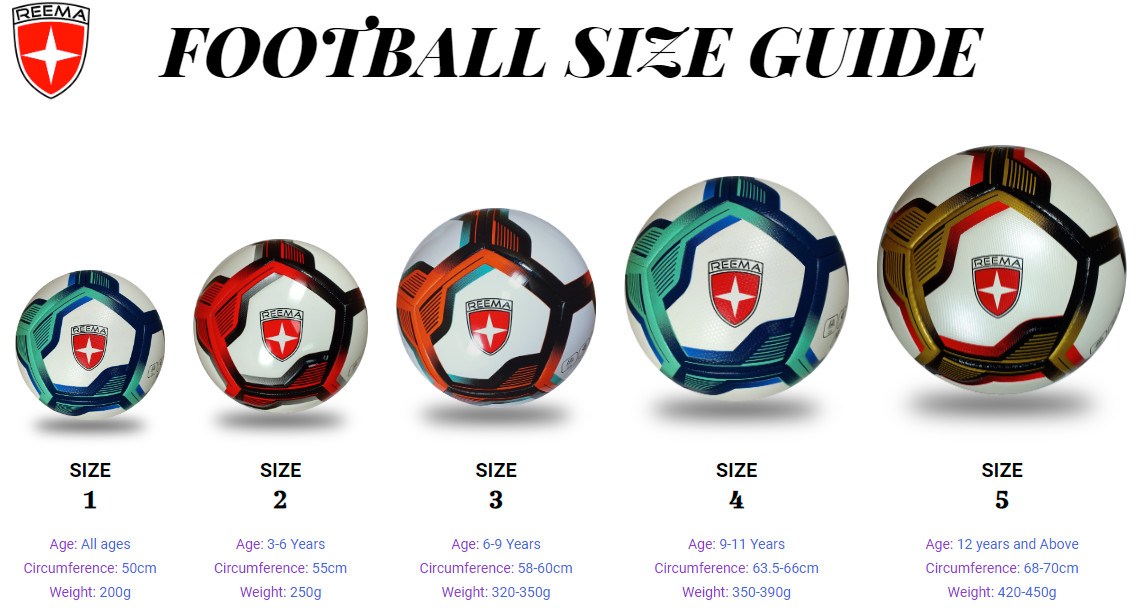
- Soccer (Football) – A Size 5 ball (27–28 inches circumference, 14–16 oz) is standard for players 12 years and older. Younger age groups use Size 4 (25–26 inches) or Size 3 (23–24 inches).
- Baseball – A regulation baseball measures about 9 inches in circumference and weighs roughly 5 oz. Softball variants are larger, ranging from 11 to 12 inches.
- Volleyball – Men’s indoor balls are 65–67 cm in circumference, while women’s are slightly smaller at 64–66 cm. Beach volleyballs are a bit larger, around 66–68 cm.
- Tennis – A standard tennis ball has a diameter of 2.57–2.70 inches and weighs between 1.98–2.20 oz. The bounce height is also regulated, but size stays consistent across all levels.
How to Choose the Right Ball for Your Needs
Picking a ball isn’t just about matching the league’s rulebook; personal factors play a role, too. Consider the player’s age, skill level, and the playing environment. For instance, an indoor basketball may benefit from a slightly softer leather cover to reduce bounce on polished floors.
When shopping, look for labels that specify “official size” or “youth size.” If the packaging is vague, compare the ball’s circumference to the ranges listed above. Reputable brands often include a measurement stamp near the ball’s seam.
Measuring and Verifying Ball Dimensions
Even if a ball claims to be “size 5,” it’s worth double‑checking, especially if you’re buying second‑hand or from an unfamiliar supplier.
- Wrap a flexible measuring tape around the ball’s widest part, ensuring it sits snugly against the surface.
- Record the circumference in inches or centimeters, depending on the sport’s standard.
- Compare your measurement to the official range. If it falls within the acceptable tolerance (usually ±0.5 inches), the ball is good to go.
For sports where weight matters, such as baseball or golf, use a digital scale. Place the ball on the scale and verify that it meets the specified weight range.
Maintaining the Correct Size Over Time
Ball dimensions can shift with wear, temperature changes, or improper storage. Here are a few low‑effort habits to keep your ball in shape:
- Store in a cool, dry place. Extreme heat can cause the material to expand, while moisture may make it swell.
- Avoid excessive inflation. Over‑inflating a soccer ball, for example, can stretch the bladder and permanently increase its circumference.
- Rotate usage. If you have multiple balls for practice, switch them regularly to distribute wear evenly.
Frequently Asked Questions
What is the standard size for a basketball used in most adult leagues?
Adult leagues typically require a Size 7 basketball, which measures 29.5 inches in circumference and weighs about 22 ounces. Youth leagues often use Size 6, which is slightly smaller and lighter.
How do I accurately measure a soccer ball at home?
Wrap a flexible tape measure around the ball’s widest part, making sure the tape lies flat against the surface. The resulting circumference should fall between 27 and 28 inches for a standard Size 5 ball. If it’s off by more than half an inch, the ball may not meet official specifications.
Can I use a slightly larger ball for training purposes?
In many cases, a marginally larger ball can help develop strength and coordination, but it’s not ideal for skill‑specific drills. For sports that rely heavily on precise handling—like basketball or volleyball—sticking to the regulated size is usually best to avoid forming bad habits.
Do indoor and outdoor balls differ in size?
Generally, the official size remains the same across indoor and outdoor versions, but the ball’s material and bounce characteristics may vary. For example, an indoor volleyball is slightly lighter and softer than its beach counterpart, even though both meet the same circumference standards.