Understanding the Causes and Mechanisms Behind Psoriasis
Psoriasis is more than just a skin rash; it’s a complex, chronic disorder that reflects a miscommunication between the immune system and skin cells. While the red, scaly plaques are what most people notice, the underlying processes involve genetics, immune signaling, and environmental nudges. Grasping the pathophysiology helps patients and clinicians anticipate flares, choose therapies, and, ultimately, live with fewer surprises.
The Basics: What Happens in Psoriatic Skin?
In healthy skin, keratinocytes mature, rise to the surface, and die in a orderly fashion, taking about a month to complete the cycle. In psoriasis, that timeline collapses to just three to five days, leading to an overabundance of immature cells that pile up as thick, silvery scales. This rapid turnover is driven largely by an overactive immune response that mistakenly treats the skin as a threat.
Immune System Dysregulation: The Real Culprit
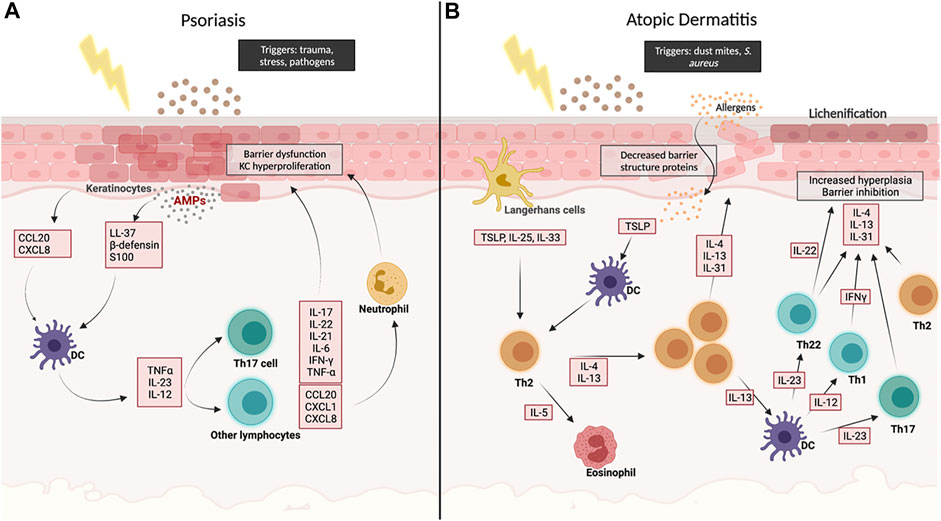
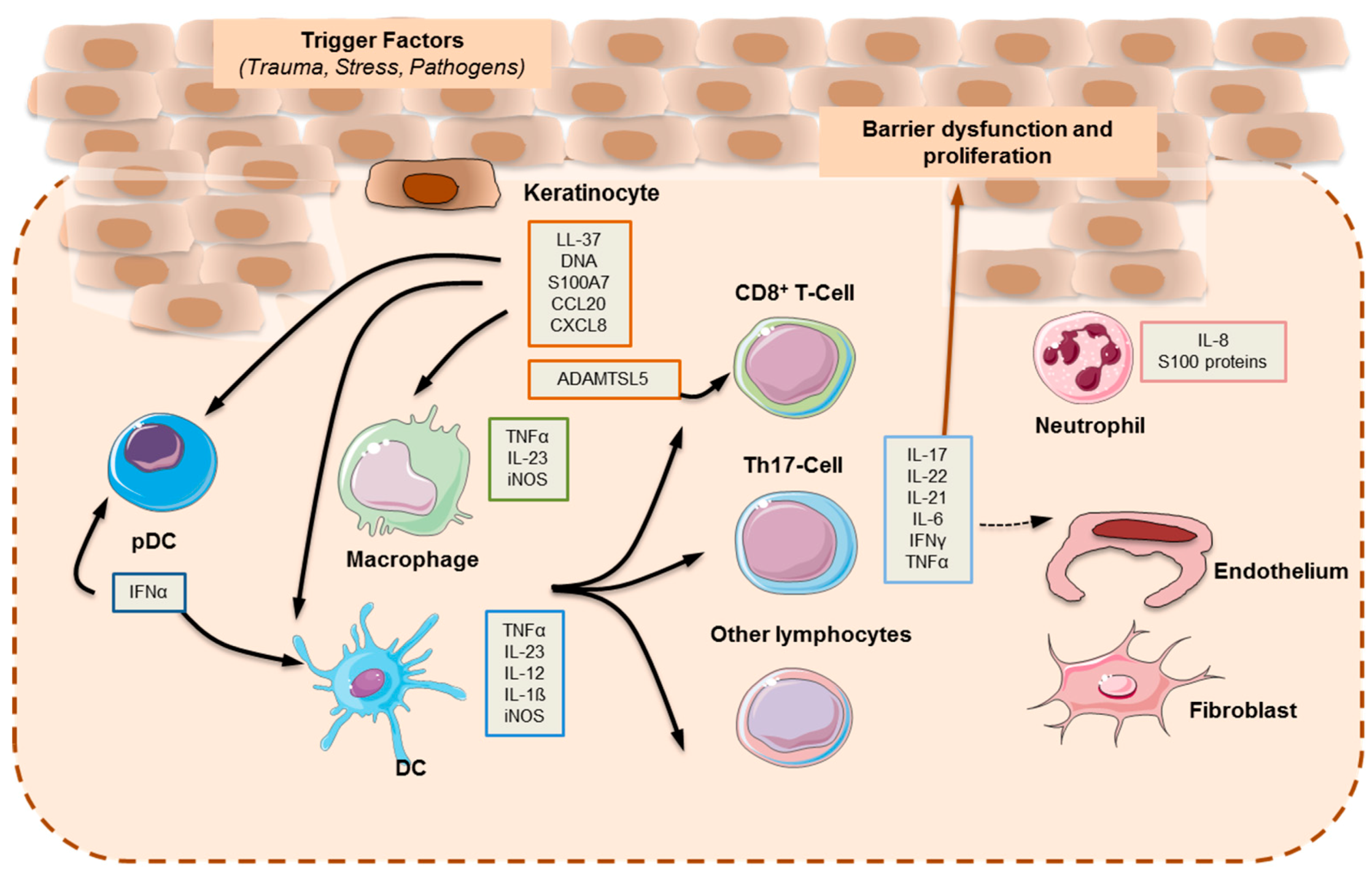
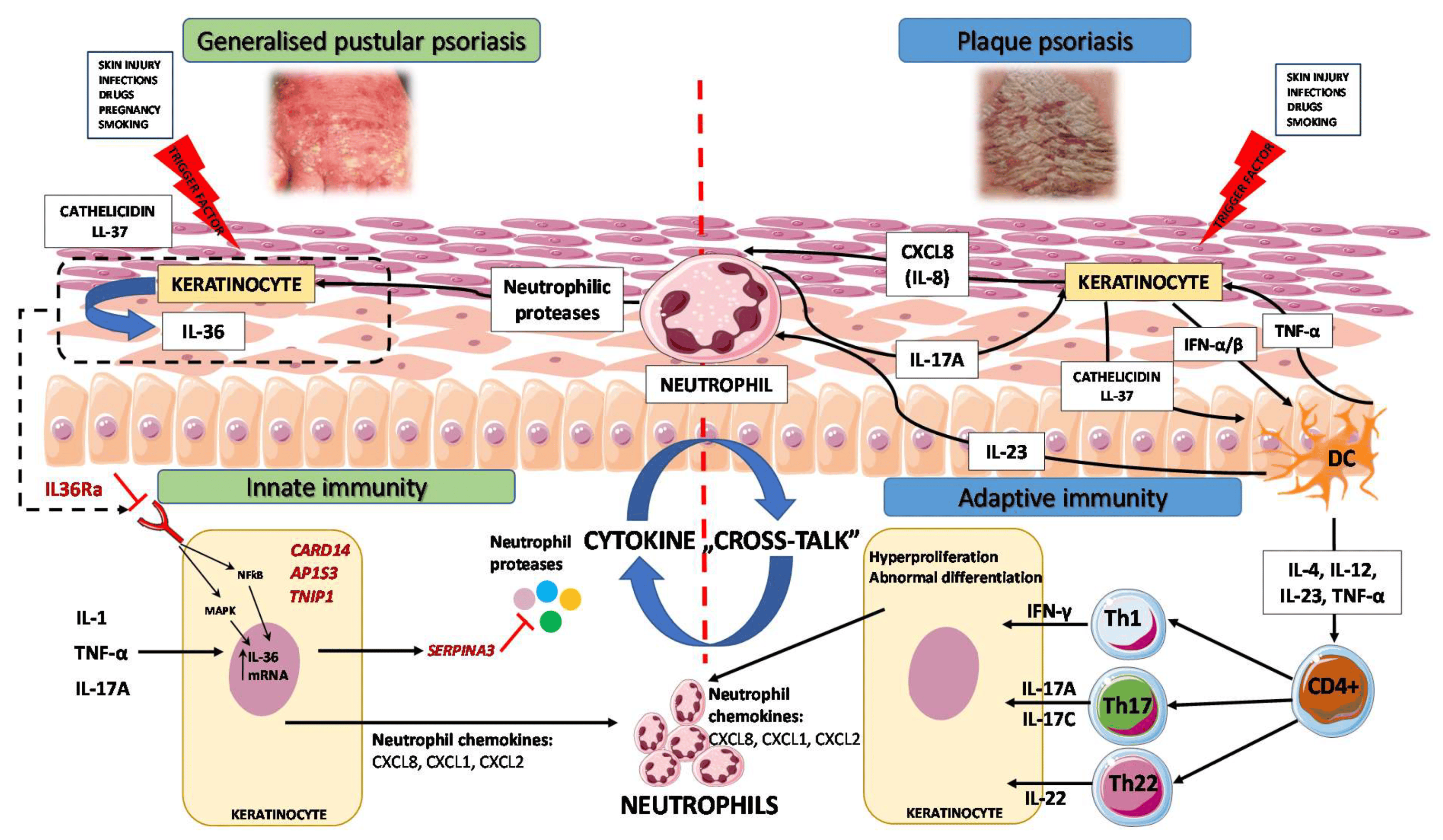
Psoriasis is fundamentally an immune-mediated disease. Dendritic cells in the skin become activated—often by a minor injury, infection, or stress—and release cytokines such as interleukin‑23 (IL‑23) and tumor necrosis factor‑α (TNF‑α). These messengers recruit T‑helper 17 (Th17) cells, which in turn secrete IL‑17 and IL‑22. Those cytokines signal keratinocytes to proliferate rapidly and produce additional inflammatory signals, creating a self‑sustaining loop.
Genetic Contributions: Why Some People Are Predisposed
Family studies show that if a first‑degree relative has psoriasis, the risk jumps to about 10 %—far higher than the 2 % prevalence in the general population. Genome‑wide association studies have identified more than 60 loci linked to the disease, most notably the PSORS1 region on chromosome 6, which houses the HLA‑C*06:02 allele. Possessing this allele doesn’t guarantee psoriasis, but it does tilt the odds in favor of an immune system that reacts too aggressively.
Environmental Triggers: The Sparks That Light the Fire
Even with a genetic backdrop, external factors are often needed to ignite a flare. Common triggers include:
- Skin injury (the Koebner phenomenon)—cuts, scrapes, or even sunburn can seed new plaques.
- Infections—streptococcal throat infections are notorious for precipitating guttate psoriasis, especially in children.
- Stress—psychological stress raises cortisol and adrenaline, which can modulate immune activity.
- Medications—beta‑blockers, lithium, and antimalarials have been linked to drug‑induced psoriasis.
- Lifestyle—obesity, smoking, and excessive alcohol intake amplify systemic inflammation, worsening disease severity.
Keratinocyte Hyperproliferation: The Visible Outcome
When cytokines like IL‑17 and IL‑22 bind to receptors on keratinocytes, they trigger intracellular pathways—most notably the STAT3 and MAPK cascades. These pathways push cells to divide faster while simultaneously suppressing the normal program of cell death (apoptosis). The result is a thickened epidermis packed with inflammatory cells, blood vessels, and excess DNA, which appears as the classic plaques.
The IL‑23/Th17 Axis: A Central Hub
Among the many cytokine networks, the IL‑23/Th17 axis has emerged as the linchpin of psoriatic inflammation. IL‑23 stabilizes and expands Th17 cells, which are the primary source of IL‑17. Blocking either IL‑23 or IL‑17 with biologic drugs dramatically reduces plaque formation, confirming the axis’s pivotal role. This insight has reshaped treatment algorithms over the past decade.
Putting the Pieces Together: A Feedback Loop
Imagine a stadium wave: a few fans stand, their neighbors notice and stand, and the motion spreads. In psoriasis, dendritic cells spark the first wave, T cells amplify it, and keratinocytes feed the signal back to immune cells. The loop is self‑reinforcing, which explains why lesions persist long after the initial trigger disappears. Disrupting any point in this circuit—by dampening cytokines, moderating T‑cell activity, or normalizing keratinocyte turnover—can break the cycle.
Implications for Treatment
Understanding the mechanisms guides therapeutic choices. Topical steroids and vitamin D analogues target early inflammation and keratinocyte proliferation. Systemic agents like methotrexate or cyclosporine suppress broader immune activity. Modern biologics—adalimumab (TNF‑α inhibitor), secukinumab (IL‑17 blocker), and guselkumab (IL‑23 inhibitor)—directly intervene in the cytokine loops described above, offering higher clearance rates with fewer systemic side effects.
Living with Psoriasis: Practical Takeaways
While medication is essential, patients can also temper external triggers. Maintaining a healthy weight, quitting smoking, managing stress through mindfulness or exercise, and protecting skin from injury can all lower flare frequency. Regular dermatology visits ensure that therapy stays aligned with disease activity and that any comorbidities—such as psoriatic arthritis or cardiovascular risk—are caught early.
Frequently Asked Questions
What is the main cause of psoriasis?
Psoriasis arises from a blend of genetic predisposition and immune system overactivity, often provoked by environmental triggers like skin injury or infection.
Can lifestyle changes improve psoriasis?
Yes. Weight loss, smoking cessation, reduced alcohol intake, and stress management can diminish systemic inflammation and may lessen flare severity.
Why do biologic drugs work so well?
Biologics target specific cytokines—such as TNF‑α, IL‑17, or IL‑23—that drive the immune‑skin feedback loop, effectively interrupting the cycle that creates plaques.
Is psoriasis only a skin condition?
No. Approximately 30 % of people with psoriasis develop psoriatic arthritis, and the disease is associated with higher risks of cardiovascular disease, metabolic syndrome, and depression.