Understanding the Core Principles of Medical Ethics
When doctors, nurses, or researchers face tough choices, they often lean on a handful of time‑tested guidelines. These aren’t just textbook jargon; they shape everyday interactions, from a surgeon’s pre‑op discussion to a public‑health official’s policy brief. Below we unpack the five pillars that most ethical frameworks in healthcare rest upon, illustrate where they clash, and suggest ways professionals keep the balance.
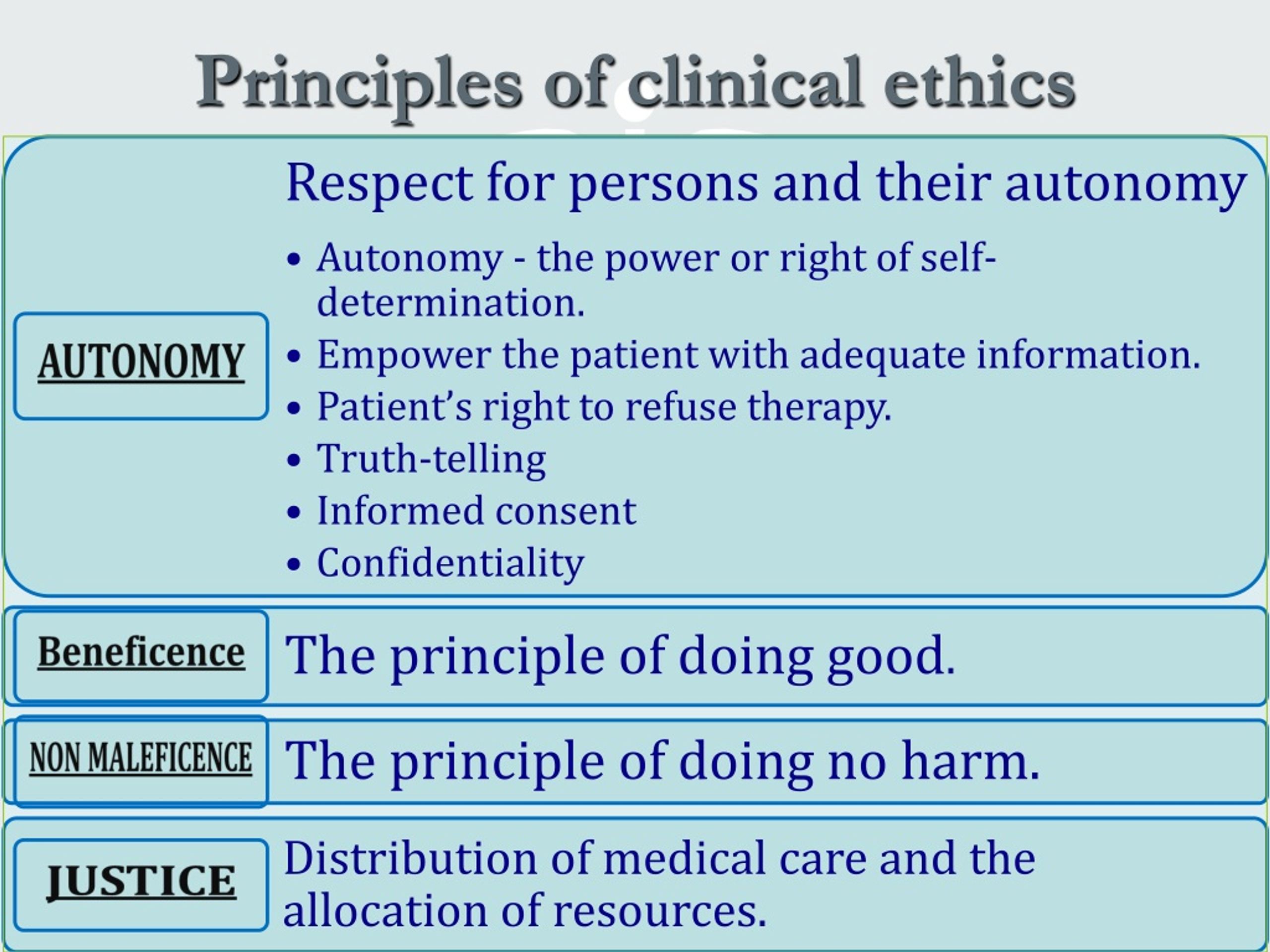
1. Autonomy: Respecting Patients’ Choices
At its heart, autonomy means honoring a patient’s right to decide what happens to their own body. In practice, this translates into clear, jargon‑free communication and genuine informed consent.
- Informed consent: Explain risks, benefits, and alternatives in language the patient understands.
- Capacity assessment: Confirm the individual can comprehend the information and make a reasoned choice.
- Advance directives: Respect wishes documented in living wills, even if the patient later cannot speak for themselves.
Challenges arise when a patient’s decision seems unwise—say, refusing a lifesaving vaccine. Professionals must navigate between respecting autonomy and preventing harm, a tension that leads directly into the next principle.
2. Beneficence: Acting for the Patient’s Good
Beneficence pushes clinicians to do more than avoid injury; they should actively promote wellbeing. It’s the “do good” clause that underpins therapeutic interventions.
Typical applications include:
- Choosing a treatment plan with the best evidence of success.
- Providing preventive care—vaccinations, screenings, lifestyle advice.
- Offering emotional support or referrals to counseling when needed.
Yet “good” can be subjective. A therapy that benefits a middle‑aged adult might impose undue burden on an elderly patient with multiple comorbidities. The ethical art lies in weighing individual circumstances against general evidence.
3. Non‑Maleficence: “First, Do No Harm”
Often paired with beneficence, non‑maleficence warns against actions that could cause injury. It’s not just about avoiding physical damage; psychological and social harms count too.
Consider:
- Prescribing a medication with severe side effects without proper monitoring.
- Disclosing a diagnosis in a public setting, jeopardizing privacy.
- Failing to report a contagious disease, risking community spread.
Sometimes harm is inevitable—for example, surgery always carries some risk. In those cases, clinicians must aim to minimize danger and be transparent about what cannot be avoided.
4. Justice: Fair Distribution of Resources
Justice asks whether the benefits and burdens of healthcare are shared equitably. It becomes especially visible during crises, such as organ transplantation lists or pandemic vaccine roll‑outs.
Key considerations include:
- Equality vs. equity: Treating everyone the same may deepen disparities; allocating extra support to disadvantaged groups can foster true fairness.
- Resource allocation: Deciding who gets an ICU bed when demand exceeds supply.
- Access to care: Addressing systemic barriers that prevent certain populations from receiving adequate treatment.
Justice also nudges policy makers to consider socioeconomic factors, ensuring that ethics isn’t confined to the bedside but informs broader health systems.
5. Fidelity and Confidentiality: Keeping Trust
While not always listed alongside the “four principles,” fidelity (faithfulness to promises) and confidentiality (protecting patient information) are woven through everyday practice.
Examples:
- Upholding a commitment to follow‑up after a procedure.
- Maintaining tight data security for electronic health records.
- Disclosing information only with patient consent, unless a legal or safety exception applies.
Breaches erode trust, making patients less likely to seek care or share vital details—so these duties are more than formalities; they’re the glue that holds the therapeutic relationship together.
When Principles Collide
Real‑world cases rarely fit neatly into a single principle. A terminally ill patient may request euthanasia, invoking autonomy, while beneficence and non‑maleficence pull in opposite directions. Justice might surface if the requested drug is scarce.
Ethics committees, reflective practice, and open dialogue often provide the needed space to negotiate these conflicts. The goal isn’t to find a perfect answer—such a thing rarely exists—but to arrive at a decision that feels responsibly considered.
Putting Principles into Practice
For anyone navigating the health‑care landscape, a few practical habits can keep these core ideas front‑and‑center:
- Ask “Why?” before every major decision—why is this the best option for this patient?
- Document conversations about consent, risks, and preferences.
- Reflect regularly on any bias that might skew judgments about who deserves what care.
- Engage peers early when dilemmas feel tangled; a second perspective can illuminate blind spots.
By weaving autonomy, beneficence, non‑maleficence, justice, and fidelity into the fabric of daily work, clinicians not only obey professional codes but also nurture the trust that makes healing possible.