Understanding TMJ Syndrome: Causes, Symptoms, And Treatments
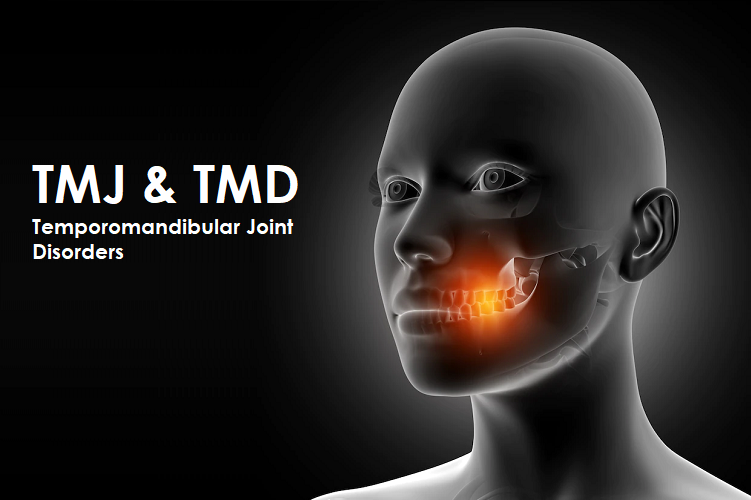
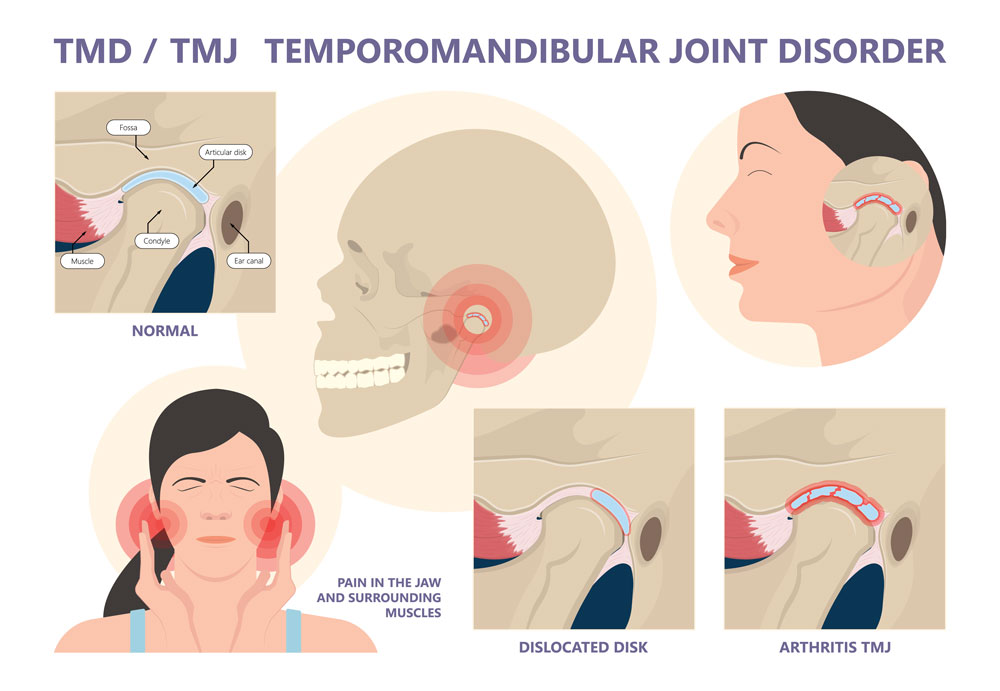
TMJ syndrome, also known as temporomandibular joint disorder, is a condition that affects the joint that connects the jawbone to the skull. This joint plays a crucial role in our daily lives, as it enables us to speak, chew, and yawn. However, when it becomes inflamed or damaged, it can lead to a range of painful and debilitating symptoms. In this article, we'll delve into the causes, symptoms, and treatments of TMJ syndrome, helping you to better understand this complex condition.
The exact cause of TMJ syndrome is often unclear, but it's believed to be the result of a combination of factors, including jaw injuries, arthritis, and teeth grinding or clenching. Other potential causes include misalignment of the teeth or jaw, gum chewing, and certain types of dental work. Additionally, stress and anxiety can also contribute to the development of TMJ syndrome, as they can cause us to tense up our jaw and face muscles, leading to inflammation and pain.
Symptoms Of TMJ Syndrome
The symptoms of TMJ syndrome can vary from person to person, but common signs of the condition include:
- Jaw pain or tenderness, which can be sharp and stabbing or dull and aching
- Clicking or popping sounds when opening or closing the mouth
- Difficulty chewing or speaking
- Locking or stiffness of the jaw
- Headaches and earaches
- Teeth grinding or clenching
These symptoms can be intermittent or constant, and they can range from mild to severe. In some cases, TMJ syndrome can also cause ringing in the ears, dizziness, and vision problems. If you're experiencing any of these symptoms, it's essential to seek medical attention to determine the underlying cause and develop an effective treatment plan.
Treatments For TMJ Syndrome
Fortunately, there are various treatments available for TMJ syndrome, and the most effective approach often involves a combination of self-care techniques, lifestyle changes, and medical interventions. Some common treatments include:
- Pain relief medications, such as ibuprofen or acetaminophen, to reduce discomfort and inflammation
- Jaw exercises and stretches to loosen up tight muscles and improve flexibility
- Relaxation techniques, such as deep breathing, meditation, or yoga, to manage stress and anxiety
- Dental work, such as orthodontic treatment or bite adjustment, to address misalignment or other dental issues
- Physical therapy to improve jaw function and reduce pain
In severe cases of TMJ syndrome, surgery may be necessary to repair or replace the damaged joint. However, this is typically considered a last resort, as surgery can be invasive and may not always be effective. Instead, many people find that a combination of self-care techniques and medical interventions can help to manage their symptoms and improve their quality of life.
Self-Care Techniques For TMJ Syndrome
In addition to medical treatments, there are several self-care techniques that can help to alleviate the symptoms of TMJ syndrome. These include:
- Avoiding hard or chewy foods, such as nuts or gum, which can put strain on the jaw joint
- Applying heat or cold packs to the affected area to reduce pain and inflammation
- Practicing good posture to reduce strain on the jaw and face muscles
- Getting regular massages to relax tense muscles and improve circulation
By incorporating these self-care techniques into your daily routine, you can help to manage your symptoms and reduce your reliance on pain relief medications. It's also essential to maintain a healthy diet, get regular exercise, and prioritize stress management to prevent TMJ syndrome from worsening over time.
Overall, TMJ syndrome is a complex condition that requires a comprehensive treatment approach. By understanding the causes, symptoms, and treatments of TMJ syndrome, you can take the first step towards managing your symptoms and improving your quality of life. Remember to consult with a healthcare professional if you're experiencing any symptoms of TMJ syndrome, and don't hesitate to explore different treatment options to find what works best for you.