Unlock Your Jewelry’s Worth: A Complete Valuation Guide
Why Knowing Your Jewelry’s Value Matters
Whether you’re eyeing a new insurance policy, planning an estate, or simply curious about a family heirloom, understanding the true worth of your pieces is essential. A solid jewelry valuation can protect you from under‑insuring and help you make informed decisions when buying or selling. Plus, it adds a layer of confidence that the sentimental pieces you cherish are also financially accounted for.
Key Elements That Determine Worth
- Metal content – Gold, platinum, and silver are priced by weight and purity; a 14‑karat gold ring will never fetch the same price as 18‑karat.
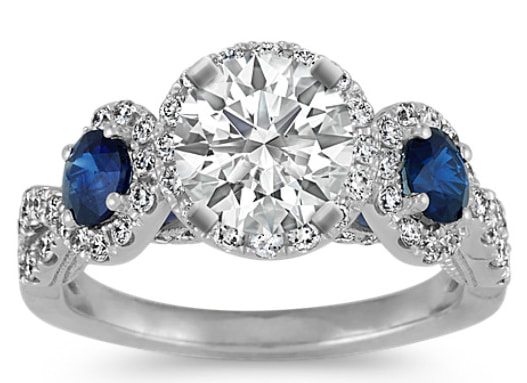
- Gemstone quality – Cut, color, clarity, and carat weight (the 4 Cs) drive the price of diamonds and colored stones.
- Brand and designer – A piece from a renowned house like Cartier or Tiffany often commands a premium.
- Craftsmanship – Hand‑set settings, intricate filigree, or unique techniques add intangible value.
- Condition – Scratches, missing stones, or repaired clasps can significantly reduce market appeal.
- Provenance – Documented history or celebrity ownership can boost desirability.
- Current market trends – Fluctuations in precious‑metal prices and gemstone demand affect final numbers.
How Professionals Appraise Pieces
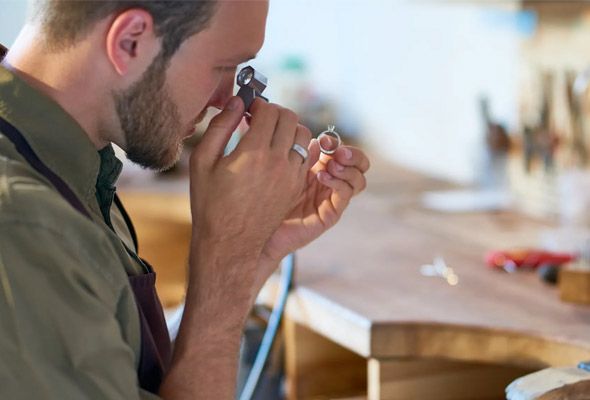
Certified appraisers follow a systematic process that blends science with market insight. First, they perform a visual inspection, noting hallmarks, setting style, and any repairs. Next, gemologists may use a loupe, microscope, or even spectroscopic tools to verify stone authenticity and grading. Metal testing, often with X‑ray fluorescence (XRF), determines exact composition without damaging the item. Finally, the appraiser checks recent auction results and dealer listings to anchor the piece within today’s market.
When to Seek a Formal Appraisal
- Before purchasing a high‑value item or during a significant life event (marriage, divorce, inheritance).
- To secure adequate insurance coverage, especially after a move or renovation.
- When planning estate or tax strategies that require documented asset values.
- Prior to selling, donating, or consigning a piece to ensure you receive a fair price.
Understanding Appraisal Reports
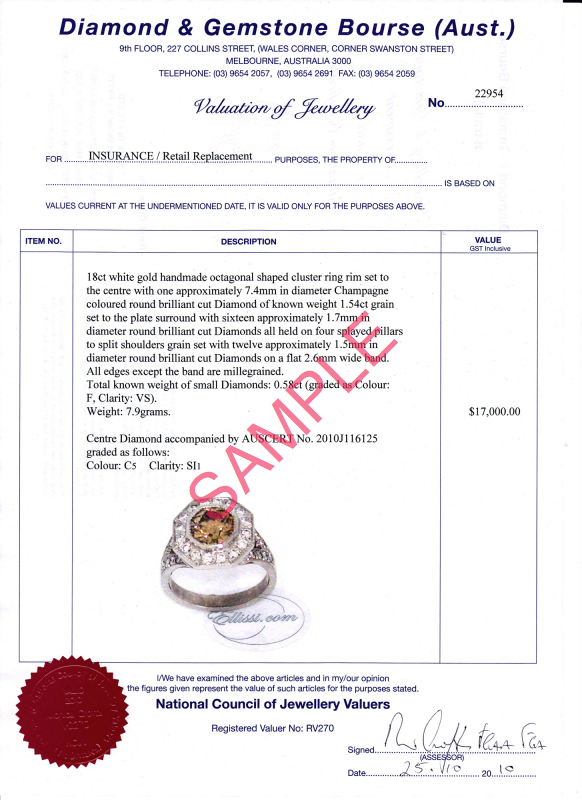
An appraisal report is more than a dollar figure; it’s a detailed narrative. The descriptive section outlines each component—metal type, gemstone specifics, dimensions, and any unique markings. Then, the appraiser provides two values: the replacement cost (what it would cost to purchase a comparable new item) and the fair market value (what a willing buyer might pay today). Look for the appraiser’s credentials, the date of the assessment, and any assumptions made about condition or market stability.
DIY Tips for a Rough Estimate
- Weigh the piece and calculate metal value using current spot prices; online calculators can help.
- Identify hallmarks and research their meaning—these tiny stamps reveal purity and origin.
- Search recent sales of similar items on auction sites or reputable jewelry forums.
- Use reputable online gem‑grading tools for basic clarity and color checks, but treat results as provisional.
- Remember: a DIY estimate is a starting point, not a substitute for a certified appraisal.
Protecting and Maintaining Value
Regular care extends both the beauty and the monetary worth of your jewelry. Gentle cleaning with a soft brush and mild soap removes buildup without harming delicate settings. Store pieces separately in padded pouches or a climate‑controlled safe to avoid scratches and tarnish. And, keep the original receipts, certificates, and appraisal documents in a fire‑proof folder—they’re often required for insurance claims.
Common Misconceptions About Jewelry Valuation
Many believe that age automatically equals higher value. While antique pieces can be prized, poor condition or outdated styles may suppress price. Likewise, a higher carat weight does not guarantee a better return if the stone’s cut is subpar. Finally, “brand name” isn’t a guarantee; some newer designers produce work that holds value just as well as legacy houses, especially if the design is timeless.
Frequently Asked Questions
How often should I have my jewelry re‑appraised?
Typically every three to five years, or sooner if the market for gold or diamonds experiences major shifts.
Can I appraise jewelry myself with a home kit?
Home kits can give you a rough sense of metal purity, but they can’t accurately grade gemstones or assess market trends, so a professional opinion remains the gold standard.
Do appraisals affect resale price?
A well‑documented appraisal can reassure buyers, often leading to higher offers, especially for high‑end or vintage pieces.
Is insurance based on appraisal value or replacement cost?
Most policies use replacement cost to ensure you can purchase a comparable item if loss occurs, though some may also reference fair market value for theft claims.