Unlocking Balance Sheet Finance: Definition and Key Insights
A balance sheet is a fundamental tool in finance that provides a comprehensive snapshot of a company's financial position at a specific point in time. It is a crucial document that helps investors, creditors, and other stakeholders assess a company's overall health, profitability, and growth potential. In this article, we will delve into the definition of balance sheet finance, its key components, and the insights it offers to businesses and investors.
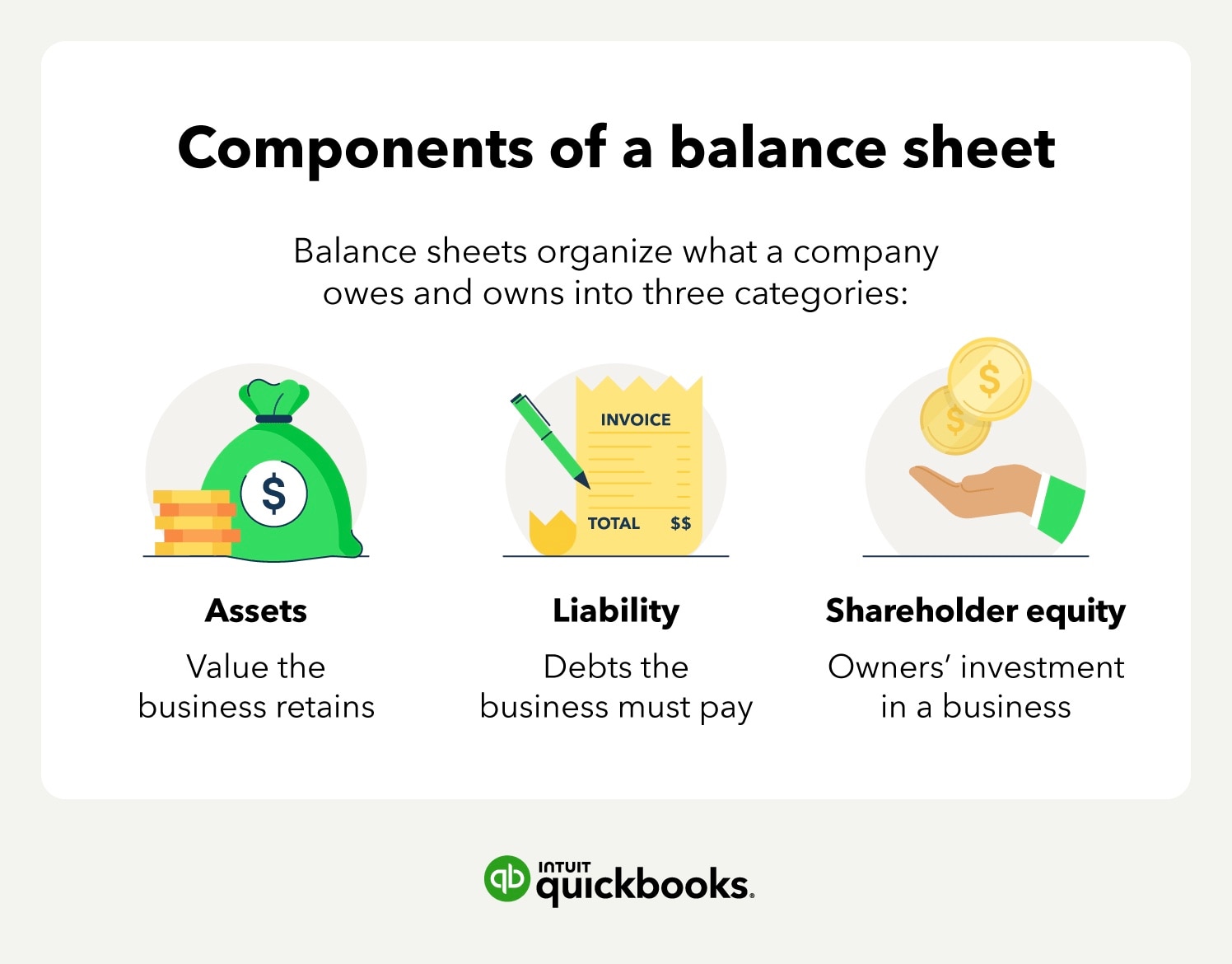
A balance sheet is typically divided into three main categories: assets, liabilities, and equity. Assets represent the resources owned or controlled by a company, such as cash, inventory, property, and equipment. Liabilities, on the other hand, represent the company's debts or obligations, including accounts payable, loans, and taxes owed. Equity represents the company's net worth, which is the amount of money that would be left over if the company were to liquidate all its assets and pay off all its liabilities.
Key Components of a Balance Sheet
A well-structured balance sheet provides a wealth of information about a company's financial performance and position. The key components of a balance sheet include:
- Assets: Current assets, such as cash, accounts receivable, and inventory, as well as non-current assets, such as property, plant, and equipment, and investments.
- Liabilities: Current liabilities, such as accounts payable, short-term loans, and taxes owed, as well as non-current liabilities, such as long-term loans and lease obligations.
- Equity: Common stock, preferred stock, retained earnings, and treasury stock.
By analyzing these components, investors and creditors can gain valuable insights into a company's financial health, including its liquidity, solvency, and profitability.
Balance Sheet Analysis
Balance sheet analysis involves reviewing and interpreting the data presented in the balance sheet to gain a deeper understanding of a company's financial performance and position. This analysis can help identify trends, strengths, and weaknesses, and inform business decisions. Some common balance sheet ratios used in analysis include:
- Current Ratio: Current assets divided by current liabilities, which measures a company's ability to pay its short-term debts.
- Debt-to-Equity Ratio: Total liabilities divided by total equity, which measures a company's level of indebtedness and financial leverage.
- Return on Equity (ROE): Net income divided by total equity, which measures a company's profitability and return on shareholder investment.
By using these ratios and other analytical tools, investors and creditors can assess a company's financial health and make informed decisions about investments or lending.
Importance of Balance Sheet Finance
A well-managed balance sheet is essential for a company's long-term success and sustainability. It provides a foundation for financial planning, budgeting, and decision-making, and helps companies to:
Manage risk and mitigate potential financial shocks
Optimize capital structure and minimize funding costs
Improve liquidity and cash flow management
Enhance profitability and return on investment
By prioritizing balance sheet finance, companies can build a strong financial foundation, drive growth and profitability, and create long-term value for shareholders and stakeholders.
Conclusion
In conclusion, balance sheet finance is a critical aspect of financial management that provides valuable insights into a company's financial position, performance, and potential. By understanding the key components of a balance sheet, analyzing financial ratios, and prioritizing balance sheet management, companies can make informed decisions, manage risk, and drive long-term success. Whether you are an investor, creditor, or business leader, a deep understanding of balance sheet finance is essential for navigating the complex world of finance and achieving your goals.