Unlocking Ionospheric Secrets at the IONational Center
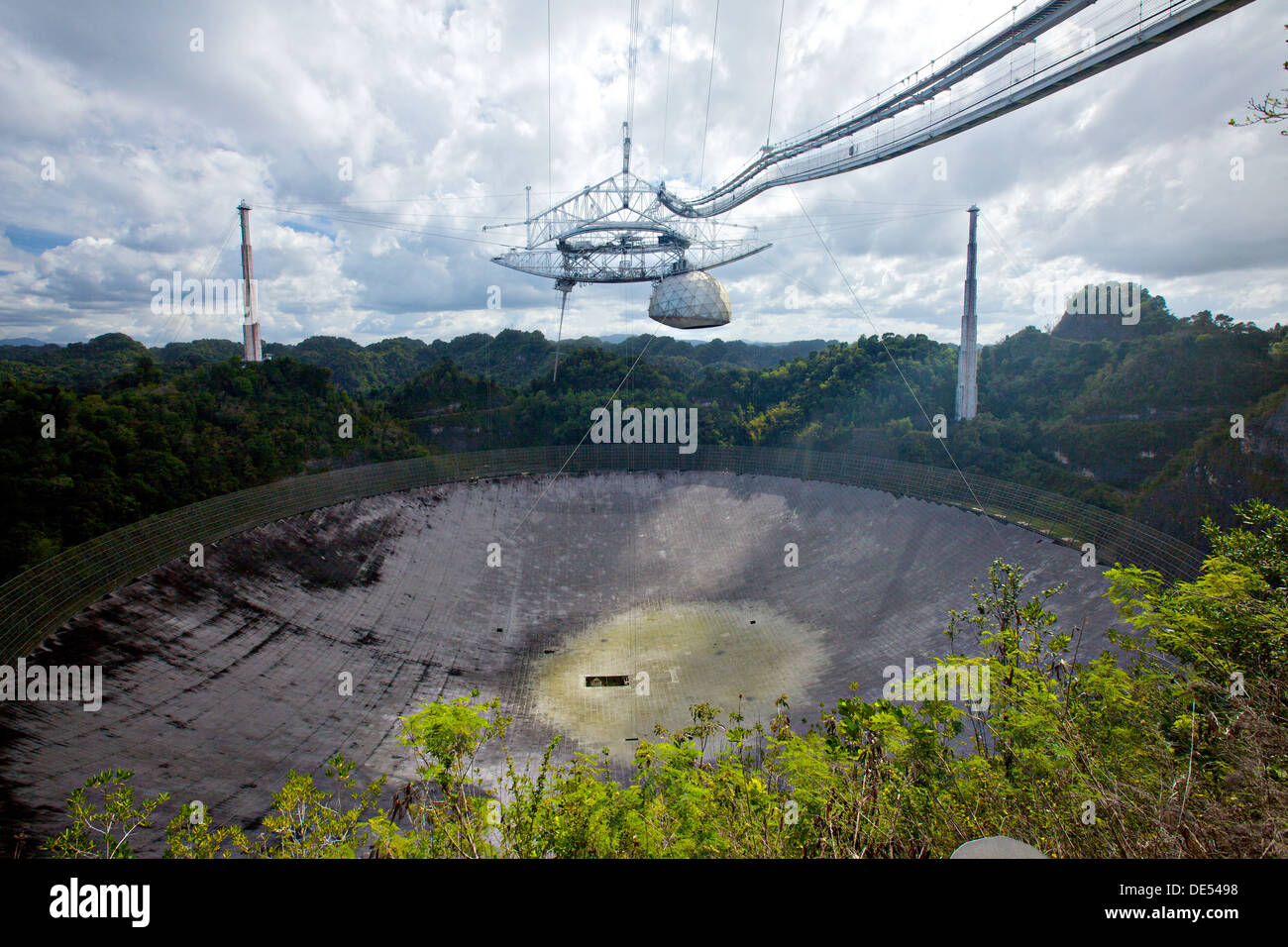
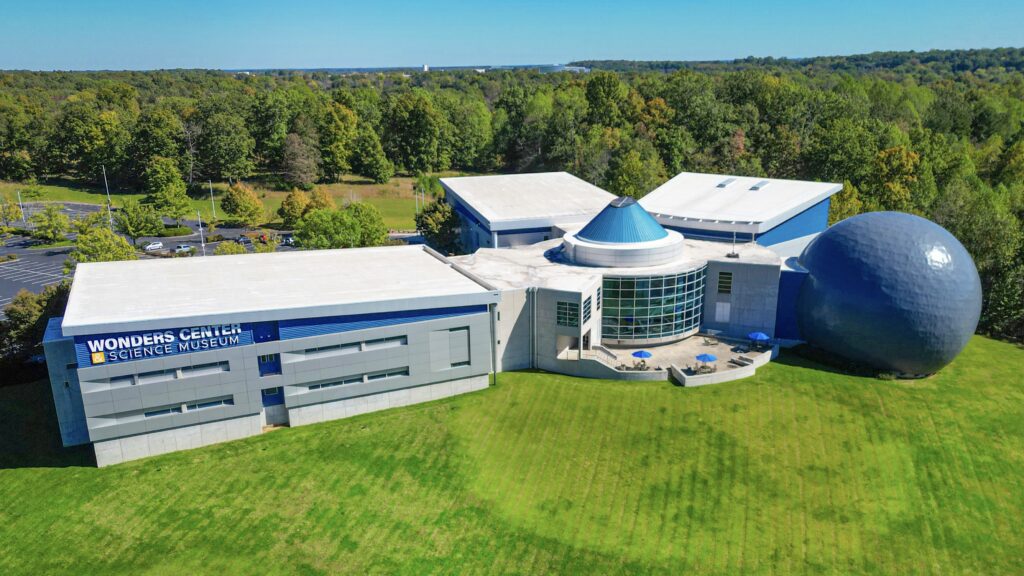
The ionosphere—an invisible, electrically charged layer stretching from about 60 km to 1,000 km above Earth—has long been a playground for physicists, radio engineers, and space weather forecasters. Yet its ever‑shifting currents and plasma structures still feel like a puzzle, especially when solar storms stir up unexpected turbulence. The IONational Center, a research hub perched on a remote plateau, has become a focal point for scientists trying to decode those mysteries.
Why the Ionosphere Captivates Scientists
Unlike the troposphere, which we experience daily as weather, the ionosphere lives in a realm where neutral gases mingle with charged particles, creating a medium that bends and reflects radio waves. This dual nature makes it both a boon for long‑distance communication and a source of baffling signal outages.
Every sunrise and sunset, the sun’s ultraviolet radiation ionizes atmospheric gases, spawning electrons and ions that dance to Earth’s magnetic field. The resulting plasma can form layers—D, E, and F—that rise and fall in density, shaping the way radio, GPS, and satellite signals travel.
The IONational Center: A Snapshot
Founded in the early 2000s, the IONational Center was built to combine ground‑based radar, lidar, and satellite tracking in a single, coordinated effort. Its remote location—far from urban radio noise—lets instruments pick up subtle fluctuations that would otherwise be drowned out.
Beyond the hardware, the Center houses a multidisciplinary team: atmospheric physicists, data scientists, and even artists who translate ionospheric data into visual art. This blend of expertise fuels a culture of curiosity, where a sudden spike in electron density can spark a week‑long collaborative investigation.
Tools of the Trade
To peer into the sky, researchers rely on a toolbox that reads like a sci‑fi set‑up:
- Coherent Scatter Radars—These dish antennas fire narrow beams of radio waves that bounce off plasma irregularities, revealing wind speeds and turbulence at altitudes up to 500 km.
- Lidar Systems—By pulsing laser light upward, lidar measures the density of neutral gases, which in turn influences ion formation.
- GPS Radio Occultation Receivers—When a GPS satellite slips behind the horizon, the signal’s bending tells scientists about electron density along the path.
- Satellite Constellations—Low‑Earth orbiters equipped with Langmuir probes and magnetometers provide a global context for the ground‑based observations.
Each instrument captures a slice of the ionospheric puzzle; when stitched together, they produce a three‑dimensional, time‑evolving portrait of the upper atmosphere.
Recent Breakthroughs
One headline‑making discovery last year involved so‑called “plasma bubbles” that erupted over the equatorial region during a moderate solar flare. Using a combination of radar and GPS occultation data, the Center’s team mapped the bubbles’ growth from a few kilometers to over 200 km in just minutes. The finding helped refine models that predict GPS signal degradation for aviation routes crossing the equator.
Another surprising result emerged from a winter campaign in the polar cap. Researchers detected a persistent, low‑frequency wave—dubbed the “polar vortex acoustic mode”—that appears to shepherd charged particles into the ionosphere, subtly amplifying auroral emissions. The discovery not only adds a new piece to the space‑weather puzzle but also hints at a coupling mechanism between atmospheric tides and magnetic storms.
From Theory to Everyday Benefits
Understanding ionospheric behavior isn’t just an academic exercise. Accurate forecasts can safeguard critical infrastructure: power‑grid operators rely on space‑weather alerts to prevent transformer damage, while airline navigation systems depend on reliable HF radio paths for trans‑oceanic flights.
Moreover, the Center’s data feed into global models used by satellite operators to adjust orbital drag estimates, extending the lifespan of costly spacecraft. In the realm of telecommunications, better ionospheric models mean fewer dropped calls and more stable broadband links in remote regions.
Challenges That Keep Researchers Up at Night
The ionosphere is notoriously fickle. Its response to solar activity can differ dramatically between hemispheres, seasons, and even local times. This variability makes it hard to develop one‑size‑fits‑all predictive tools.
Data integration also poses a hurdle. Radar, lidar, and satellite measurements each come with distinct resolutions and noise characteristics. Merging them into a seamless dataset requires sophisticated algorithms—often borrowed from machine learning—that can tease out genuine signals from artefacts.
The Road Ahead
Looking forward, the IONational Center is planning a next‑generation radar array that will operate at multiple frequencies simultaneously, offering a richer view of plasma turbulence. Parallel to hardware upgrades, a new open‑data initiative aims to share raw measurements with the global research community, encouraging fresh perspectives and crowd‑sourced analyses.
There’s also talk of a collaborative venture with a high‑altitude balloon program, which could loft instruments into the lower ionosphere for the first time since the 1990s. If successful, those in‑situ measurements could finally validate the remote‑sensing techniques that have dominated the field for decades.
Why It All Matters
At its core, decoding the ionosphere is about bridging the gap between the Sun’s restless output and the technology that underpins modern life. The IONational Center’s blend of cutting‑edge instrumentation, interdisciplinary talent, and openness to unexpected findings makes it a beacon for anyone curious about how invisible layers of plasma shape the world we see—and the signals we rely on.