Unveiling Idol Voice AI: The Future Of Virtual Idols
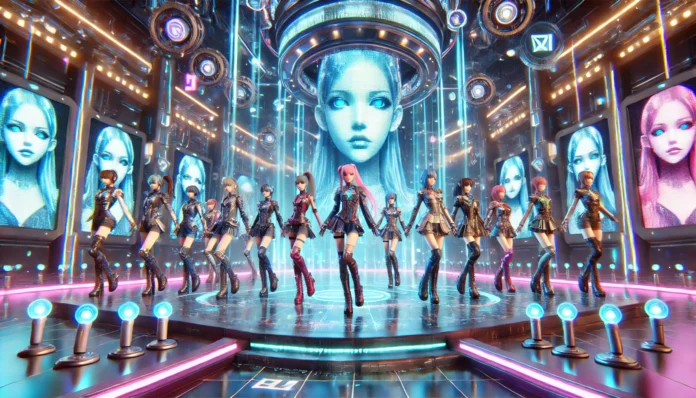
Have you ever stopped to wonder if the pop star singing on your radio is real? Or perhaps you’ve streamed a virtual concert featuring a digital avatar and felt a genuine emotional connection, even knowing the eyes aren’t alive. Welcome to the world of virtual idols, a genre that has evolved from niche anime fandoms into a mainstream entertainment phenomenon. At the heart of this revolution lies a crucial, often overlooked component: idol voice AI.
This technology is no longer just about making characters speak in games. It is about capturing the nuance, emotion, and distinct timbre of a human singer and replicating it within a synthetic framework. It is the bridge between code and charisma. As we delve into how these systems work, it becomes clear that we are witnessing a shift not just in music production, but in how we define fame and performance.
The Evolution From Static Models to Singing Avatars
Virtual idols, or “Vtubers” and digital performers, have been around for years. Early iterations relied on motion capture suits and real-time tracking to animate 3D or 2D characters. However, the voice was almost always provided by a human voice actor (VA) speaking or singing in real-time. While impressive, this setup had limits. The human VA could get tired, miss notes, or struggle with extraordinary vocal ranges that defy physical biology.
Enter idol voice AI. Modern systems use advanced neural networks to separate the voice from the lyrics. They analyze thousands of hours of an artist’s vocal patterns—breath control, vibrato, pitch stability, and emotional inflection. The result is a digital model that can “sing” any song, in any style, without fatigue. This allows for performances that are technically flawless yet emotionally resonant. It transforms the virtual idol from a puppet into a standalone artist capable of infinite range.
How Synthetic Vocals Maintain Emotional Depth
The primary criticism of AI music is that it feels “cold” or robotic. Early text-to-speech engines were notoriously flat. Today’s idol voice AI, however, focuses heavily on prosody—the rhythm, stress, and intonation of speech. But singing is different from talking. It requires micro-expressions in the voice that convey passion, sadness, or joy.
Developers achieve this by feeding the AI high-quality stems of human vocals, tagged with metadata describing the emotion of each phrase. The AI learns to associate specific phonetic changes with feelings. For instance, a slight crack in the voice might signify vulnerability, while a sustained high note with added reverb might convey triumph. When a virtual idol performs, the system doesn’t just output notes; it generates a performance. It’s a subtle distinction, but one that drastically changes the listener’s experience.
The Role of Lip-Syncing and Visual Harmony
For a virtual idol to be convincing, the voice must match the visual. This is where lip-syncing technology becomes critical. Older methods used manual keyframing, which was time-consuming and often slightly off-beat. Modern AI tools analyze the audio waveform in real-time and drive the 3D model’s mouth movements automatically.
The result is a seamless integration. If the AI voice generation adds a breath before a chorus, the avatar’s chest rises and mouth opens accordingly. This synchronization creates a sense of presence. The audience forgets they are watching a render because the feedback loop between audio and visual is too tight. The idol feels “alive” not because of camera tricks, but because of technical precision.
Ethical Considerations and the Human Element
With great power comes great responsibility, and the rise of idol voice AI raises significant ethical questions. Who owns a voice? If an AI model is trained on a specific singer’s work, does the original artist need consent? The industry is still grappling with these legal and moral boundaries. We’ve seen controversies where fans felt betrayed when they realized a beloved virtual star’s voice was generated by a tool trained without the source artist’s permission.
Furthermore, there is the question of employment. Will human VAs be replaced? Currently, most successful virtual idols still rely on human operators or “faces” behind the scenes to interact with fans and add spontaneous personality. The AI handles the singing; the human handles the soul. This hybrid model suggests that rather than replacing humans, AI might elevate them, allowing for more creative freedom.
Reputation and Authenticity
For fans, authenticity is currency. A virtual idol’s brand depends on consistency and genuine engagement. If an AI goes wrong—producing gibberish or inappropriate lyrics due to a glitch—the idol’s reputation can suffer. Therefore, studios are investing heavily in moderation tools and quality control. The goal is to handle glitches gracefully, perhaps turning them into inside jokes with the fanbase rather than catastrophic failures.
Transparency is key. The most successful virtual idols often reveal the technology behind them, educating their audience on how the magic works. This demystification builds trust. Fans appreciate the technical artistry of the voice generation just as much as the musical output.
The Future Landscape of Digital Entertainment
Where do we go from here? The potential is staggering. Imagine virtual idols that can perform live across multiple languages simultaneously, with the AI adapting the pronunciation and cultural nuances in real-time. Or collaborations where a digital idol sings with a human superstar, blending the best of both worlds.
We are also seeing the rise of fan-created virtual idols using these same voice AI tools. This democratization of content creation allows anyone with a good idea and some technical know-how to launch a persona. The barrier to entry for fame is lowering, but the competition for attention is intensifying.
Conclusion Embracing the Synthetic Stage
Unveiling the technology behind idol voice AI reveals a complex interplay of art, code, and psychology. It challenges our definition of what a performer is. While purists may argue that nothing can replace the raw humanity of a live vocal, the growth of this sector suggests that audiences are ready for a new kind of connection.
Virtual idols are not just avatars; they are cultural icons crafted from data. As the technology refines, the line between the virtual and the real will continue to blur. The future of entertainment isn’t about choosing between human and machine. It’s about how effectively we can blend them to create experiences that inspire, entertain, and move us. The stage is set, the lights are digital, and the song is just beginning.
Frequently Asked Questions
Is idol voice AI illegal?
No, the technology itself is not illegal. However, using it to clone a specific person’s voice without their consent may violate copyright, right of publicity, or deepfake laws depending on the jurisdiction. Ethical studios obtain necessary licenses or create original voices from scratch.
Can AI replace human singers in virtual idols?
In terms of vocal performance, yes. AI can sing with perfect pitch and stamina. However, the interactive, chatty, and spontaneous aspects of virtual idols usually require a human operator to maintain fan engagement and genuine personality.
How realistic is the audio quality today?
Advancements in neural vocoders have made AI-generated singing nearly indistinguishable from human recordings for the average listener. High-end productions use AI for backing vocals or specific difficult passages, while keeping human leads for emotional nuance.
What is the biggest challenge for virtual idols using AI?
The biggest challenge is maintaining authenticity and managing glitches. Technical errors can break immersion, and fans are increasingly savvy about detecting AI usage, demanding high transparency from the creators.