Unveiling Stephen's Story Found In The Bible
Stephen's story, as found in the Bible, is a testament to the power of faith and the enduring legacy of a man who dedicated his life to spreading the teachings of Jesus Christ. Located in the New Testament, specifically in the book of Acts, chapters 6 and 7, Stephen's narrative serves as a pivotal moment in the early Christian church. His story not only showcases his unwavering commitment to his beliefs but also highlights the challenges faced by the early Christians as they navigated a world often hostile to their message.
The story begins with the selection of Stephen, along with six other men, to serve the Greek-speaking Jewish Christians in Jerusalem. These men were chosen for their integrity and their filling with the Holy Spirit, tasks that included overseeing the daily distribution of food to the widows and other needs within the community. Stephen, in particular, is noted for his exceptional faith and his ability to perform miracles and wonders among the people, which attracted a significant following.
Confrontation and Martyrdom
However, Stephen's success and his bold proclamation of the gospel soon led to opposition from various groups, including the Synagogue of the Freedmen, who debated with him but were unable to withstand the wisdom and the Spirit with which Stephen spoke. This confrontation ultimately led to Stephen being falsely accused of speaking against the temple and the law, charges that were serious enough to bring him before the Sanhedrin, the Jewish council in Jerusalem.
Before the Sanhedrin, Stephen delivered a lengthy sermon that traces the history of Israel from Abraham to the building of the Temple by Solomon, emphasizing how the Israelites had consistently rejected God's prophets and messengers, culminating in their rejection of Jesus as the Messiah. Stephen's sermon ends with a scathing indictment of his listeners for their stubbornness and for resisting the Holy Spirit, comparing them unfavorably with their ancestors who had also resisted God's messengers.
Impact and Legacy
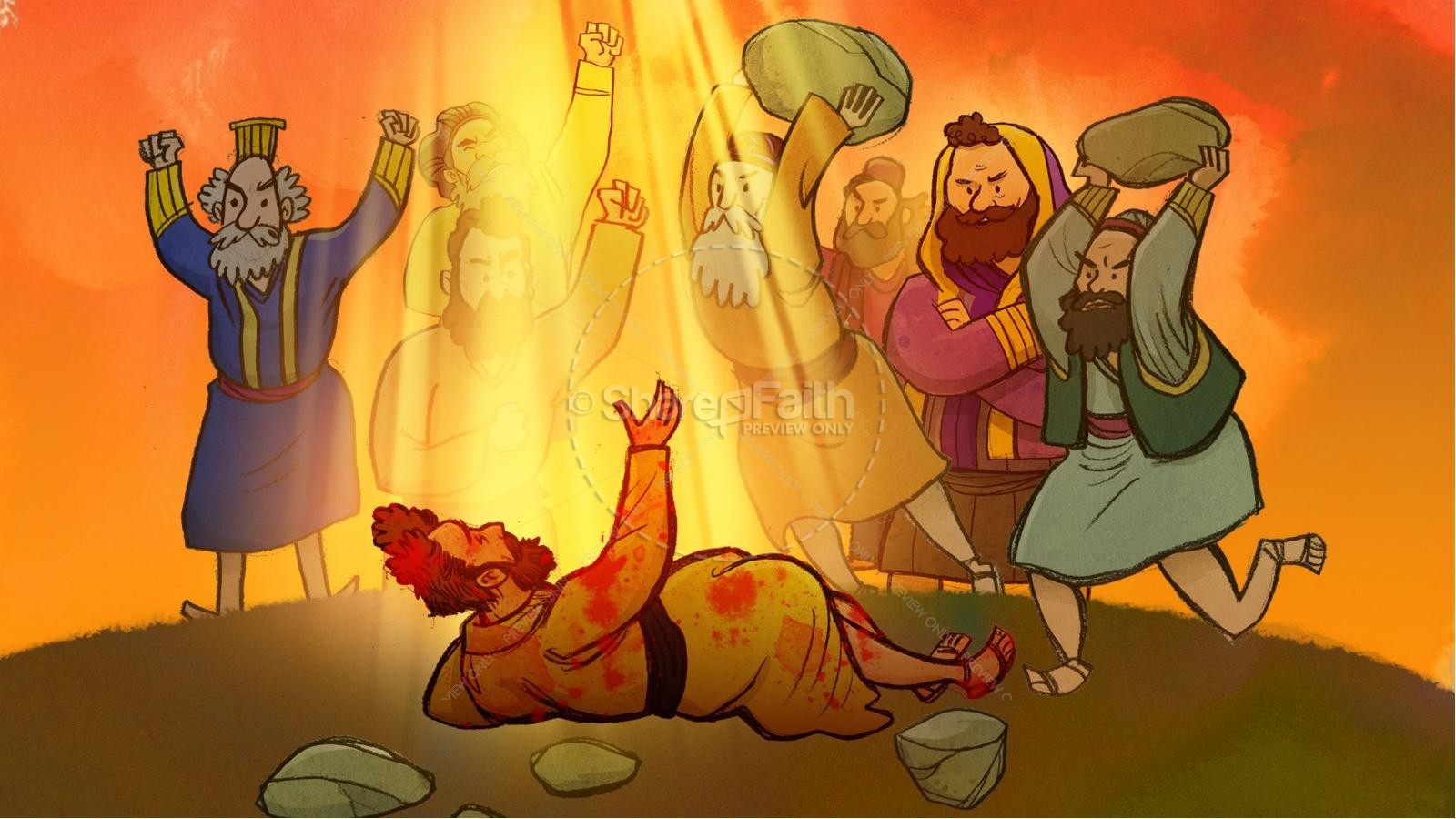
Stephen's speech, predictably, enraged his listeners, leading to his stoning outside Jerusalem. As he was dying, Stephen prayed for his killers, asking God not to hold this sin against them, an act reminiscent of Jesus' prayer on the cross for those who crucified him. The witness to this event was a young man named Saul, who would later become the Apostle Paul, one of the most influential figures in Christianity.
Stephen's story found in the Bible serves as a powerful lesson in courage, conviction, and the enduring power of faith. Despite facing death, Stephen remained steadfast in his beliefs, continuing to preach and spread the message of Jesus Christ even in the face of overwhelming opposition. His legacy can be seen in the impact his death had on the early Christian community, leading to the dispersion of Christians from Jerusalem and the spread of Christianity to other parts of the world.
Lessons from Stephen's Life
- Courage in Adversity: Stephen's bravery in the face of persecution is a testament to the transformative power of faith. His willingness to stand by his beliefs, even when it meant facing death, inspires believers to remain steadfast in their convictions.
- Forgiveness and Mercy: Stephen's prayer for his executioners reflects the core Christian teachings of forgiveness and mercy. This act of kindness towards those who were committing a heinous act against him is a profound reminder of the importance of treating others with compassion and understanding.
- Legacy of Faith: Stephen's life and death demonstrate how one individual's faith can have a profound impact on others. His story has inspired countless believers throughout history, serving as a reminder of the power of living a life dedicated to one's beliefs.
Stephen's story, as preserved in the Bible, is more than just a historical account; it is a testament to the human spirit's capacity for courage, forgiveness, and devotion. His legacy continues to inspire believers today, serving as a powerful reminder of the enduring power of faith and the importance of standing by one's convictions, even in the face of adversity.