Unveiling the Quran's Core: A Journey Through Its Profound Themes
The Quran, the holy book of Islam, is a rich and complex text that has been a source of guidance and inspiration for millions of people around the world. At its core, the Quran covers a wide range of themes that are both universal and timeless, addressing fundamental questions about the human condition, the nature of God, and the path to spiritual growth. In this article, we will delve into the Quran's core themes, exploring the key concepts and ideas that underpin this sacred text.
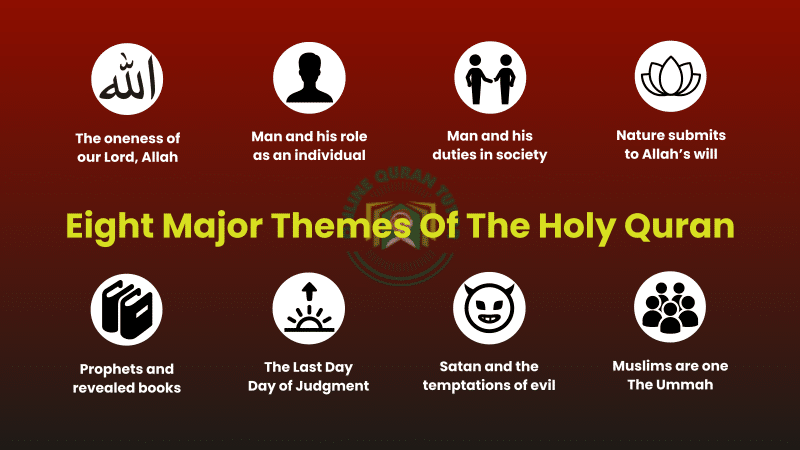
One of the primary themes of the Quran is the concept of Tawhid, or the oneness of God. This central idea is woven throughout the text, emphasizing the unity and uniqueness of the divine. The Quranic narrative is clear: there is only one God, and He is the creator, sustainer, and judge of all that exists. This theme is closely tied to the idea of monotheism, which is a cornerstone of Islamic theology. The Quran's emphasis on Tawhid serves as a reminder to believers of the importance of worshipping and surrendering to the one true God.
Justice, Compassion, and Mercy
Another significant theme in the Quran is the concept of justice, compassion, and mercy. The Quranic account of creation and the human condition is one of balance and reciprocity, where individuals are called to live in harmony with the natural world and with each other. The text emphasizes the importance of treating all people with kindness, respect, and fairness, regardless of their background, social status, or circumstances. The Quran's notion of justice is rooted in the idea of ma'ruf, or what is known and accepted as good and right. This concept is closely tied to the idea of rahma, or divine mercy, which is a fundamental attribute of God.
The Quran also explores the theme of human nature, examining the complexities and contradictions of the human condition. The text portrays humans as capable of great good and great evil, highlighting the ongoing struggle between the nafs (the ego or self) and the ruh (the spirit). This inner conflict is a recurring motif in the Quran, as individuals are encouraged to strive for self-awareness, self-discipline, and spiritual growth. The Quranic narrative offers a nuanced and multifaceted understanding of human psychology, one that acknowledges both the potential for noble acts and the propensity for error and weakness.
Guidance and Wisdom
The Quran is often described as a book of guidance, offering wisdom and practical advice on how to live a virtuous and fulfilling life. The text provides a wealth of insight into the human experience, covering topics such as marriage, family, community, and personal responsibility. The Quran's guidance is not limited to individual behavior, however; it also addresses broader social and economic issues, such as poverty, inequality, and social justice. The text emphasizes the importance of fairness, cooperation, and mutual support, encouraging believers to work towards creating a more just and compassionate society.
One of the most distinctive features of the Quran is its use of stories and narratives to convey moral and spiritual lessons. The text includes a wide range of characters and events, from the prophets and patriarchs of the biblical tradition to the early history of the Muslim community. These stories serve as a means of illustrating key principles and values, such as courage, perseverance, and forgiveness. The Quran's narrative style is often described as ta'weel, or allegorical, inviting readers to reflect on the deeper symbolism and meaning behind the surface-level events and characters.
Eschatology and the Afterlife
The Quran also explores the theme of eschatology, or the study of the end times and the afterlife. The text describes a comprehensive and multifaceted vision of the hereafter, including the concept of judgment, heaven, and hell. The Quranic account of the afterlife is rooted in the idea of accountability, where individuals are held responsible for their actions and choices during their earthly lives. This theme serves as a reminder to believers of the importance of living a virtuous and righteous life, one that is guided by a sense of purpose, morality, and spiritual awareness.
In conclusion, the Quran's core themes offer a rich and nuanced vision of the human experience, one that is both deeply personal and universally relevant. By exploring the text's emphasis on Tawhid, justice, compassion, and mercy, we can gain a deeper understanding of the Quran's profound wisdom and guidance. Whether we approach the Quran as a believer, a scholar, or simply a curious reader, its core themes have the power to inspire, educate, and transform us, inviting us to embark on a lifelong journey of spiritual growth and self-discovery.
Frequently Asked Questions
- What is the central theme of the Quran? The central theme of the Quran is the concept of Tawhid, or the oneness of God.
- What is the significance of justice in the Quran? Justice is a fundamental concept in the Quran, emphasizing the importance of treating all people with kindness, respect, and fairness.
- How does the Quran describe human nature? The Quran portrays humans as capable of great good and great evil, highlighting the ongoing struggle between the ego and the spirit.
- What is the Quran's vision of the afterlife? The Quran describes a comprehensive and multifaceted vision of the hereafter, including the concept of judgment, heaven, and hell.