US-China Trade: Why the Complex Relationship Matters Now
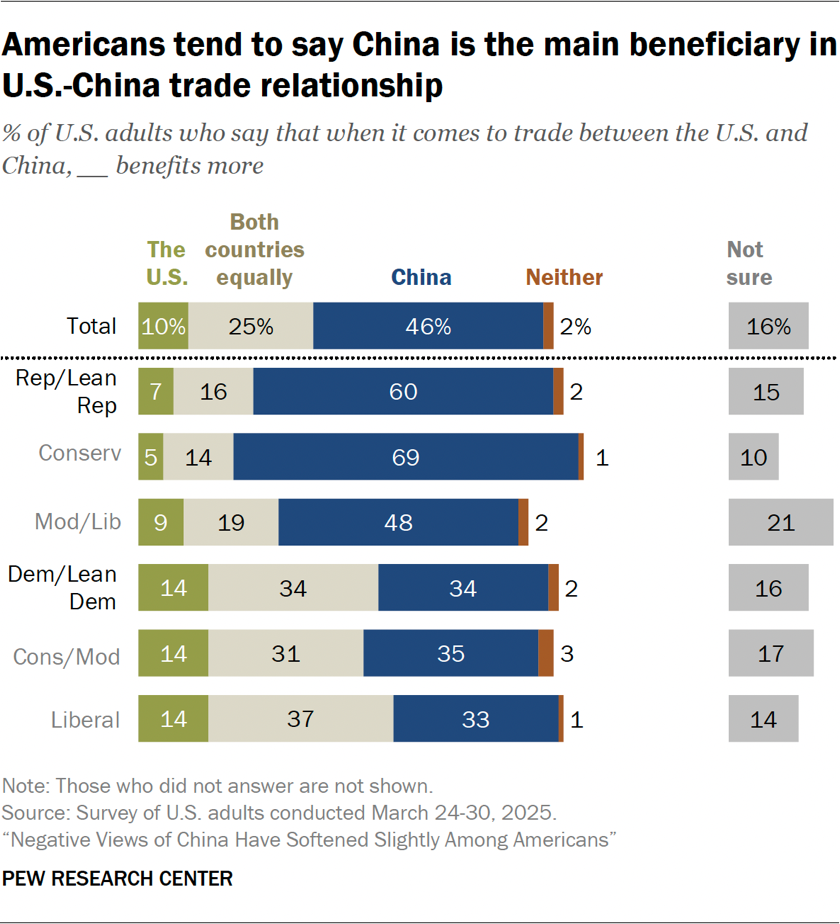
It’s easy to look at the nightly news and see the US-China trade relationship as a binary switch: either we are partners, or we are rivals. But anyone who has actually lived through the last two decades of global economics knows the reality is far messier. It’s a tangled web of interdependence, strategic anxiety, and unavoidable friction. You can’t really understand modern global markets without untangling this knot, because these two economies are still inextricably linked, even as they pull in opposite directions.
The Myth of Complete Decoupling
For years, political rhetoric suggested we were heading toward a total separation. The term “decoupling” became a buzzword in boardrooms and think tanks alike. The idea was seductive in its simplicity: finish manufacturing in the US, buy Chinese tech only when absolutely necessary, and reset the playing field. Yet, if you look at the actual data, that narrative doesn’t quite hold up.
Supply chains are not Lego blocks you can just snap apart and reassemble overnight. They are living, breathing ecosystems built over decades. A single smartphone, for instance, might have software designed in California, chips fabricated in Taiwan, casing made in Vietnam, and final assembly done in Mexico, all while relying on rare earth minerals mined in China. Trying to surgically remove one major player from this workflow causes shockwaves that ripple through every other node.
Instead of decoupling, we are seeing something more nuanced: “de-risking.” It’s a subtler shift. Companies aren’t leaving China entirely; they are diversifying. They’re keeping high-volume manufacturing there for efficiency but moving critical, sensitive production elsewhere. This isn’t a clean break. It’s a cautious retreat from vulnerability while maintaining the economic benefits of engagement. It’s complicated, expensive, and frankly, exhausting for supply chain managers everywhere.
Tariffs: A Double-Edged Sword
Then there’s the elephant in the room: tariffs. Since the trade war escalated, billions of dollars in duties have been slapped on Chinese imports. The stated goal was to reduce the trade deficit and bring jobs back home. Did it work? Well, yes and no.
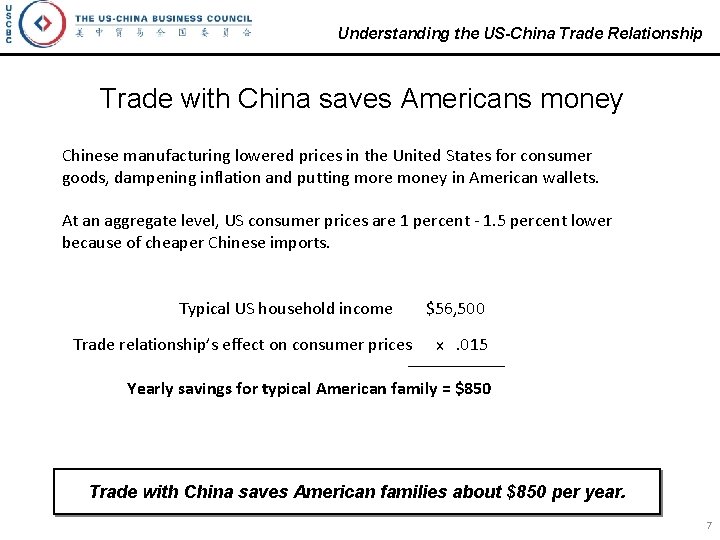
On one hand, some manufacturing did return to the US. We’ve seen a resurgence in domestic steel and aluminum production. On the other hand, the cost of those tariffs was largely passed on to American consumers and businesses. Inflation didn’t take a holiday just because we imposed taxes on imports. Many companies found the tariffs so punitive that they simply moved production to Vietnam, India, or Thailand—countries that aren’t exactly US allies in every sense, but who benefit from our friction with Beijing.
The irony is palpable. We tried to punish China for its trade practices, but we often ended up hurting our own corporate bottom lines. It highlights a fundamental tension in US economic policy: the conflict between political posturing and economic pragmatism. Politicians want to be seen as tough on China. Businesses want stability and low costs. These two goals are increasingly at odds.
Technology: The New Battleground
If trade in physical goods is messy, the war over technology is outright fierce. This is where the relationship has shifted from competitive to existential. The US views China’s rise in high-tech sectors not just as an economic challenge, but as a national security threat.
Export controls on advanced semiconductors are the most visible example. The US government has restricted the sale of cutting-edge chipmaking equipment to Chinese firms, aiming to slow down their progress in AI, quantum computing, and advanced military tech. It’s a unprecedented move. Historically, the US championed free trade in technology, believing that openness would lead to liberalization. That era is effectively over.
China’s response has been predictable: acceleration. They are pouring hundreds of billions into domestic semiconductor development. It’s like trying to stop a glacier with your hands; you can slow it down, but you can’t really stop it. This tech arms race is draining resources from both sides, but it’s also driving innovation in areas that might have otherwise been neglected.
What This Means for the Average Person
- Higher Prices: Expect continued volatility in consumer goods. Whether it’s electronics or clothing, the friction in supply chains adds cost.
- Job Market Shifts: Some manufacturing jobs are returning, but they require new skills. The boom isn’t in low-wage assembly anymore; it’s in automation and logistics.
- Investment Caution: For investors, the US-China dynamic creates unpredictable risk. Markets react sharply to any tweet or policy change regarding tariffs or tech bans.
Can They Coexist?
Looking forward, the relationship isn’t going to return to the détente of the early 2010s. That trust is gone. Both nations are now operating under a paradigm of strategic rivalry. However, total conflict is also unlikely. The economic pain would be too great for both sides.
We are likely entering a long period of “managed competition.” Think of it as a cold peace. We will trade where it benefits us, compete fiercely where we don’t, and cooperate minimally on issues where our survival depends on it, like climate change or pandemic prevention. It’s an uneasy arrangement, but it’s the most realistic one.
The complexity lies in the details. It’s in the specific tariff exemptions, the nuanced export licenses, and the quiet negotiations that never make headlines. For businesses and individuals, the key isn’t to pick a side, but to build resilience. The world isn’t splitting into two clean camps; it’s becoming a fragmented puzzle. Those who can navigate that fragmentation will survive. Those who expect things to go back to normal will be left behind.
It’s not a bad thing to be wary of this complexity. In fact, it’s the only way to understand why your grocery bills fluctuate, why your favorite tech gadgets sometimes vanish from shelves, and why the news cycle never seems to quiet down. The US-China trade relationship isn’t just a diplomatic problem. It’s the backdrop against which our modern economic lives are played out.