What Does the ICP Gang Sign Really Mean and How to Spot It?
If you’ve ever seen a group of fans flashing a hand gesture that looks oddly familiar—like something out of a secret club—you’ve probably wondered what it stands for. The ICP gang sign is most commonly linked to the devoted community surrounding the rap duo Insane Clown Posse, better known as ICP. Below we’ll unpack the origins, the symbolism, and the ways the sign shows up at concerts, on social media, and even in everyday streetwear.
Where the Sign Came From
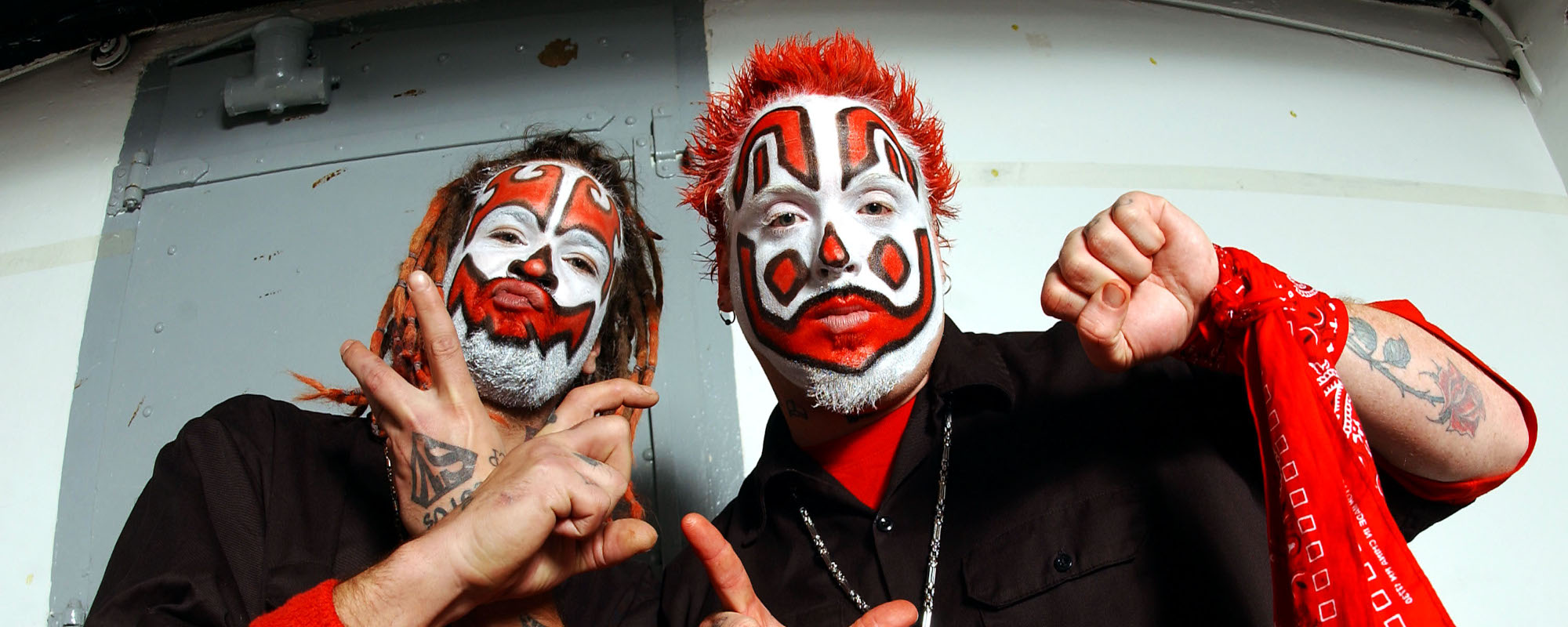
Insane Clown Posse burst onto the underground music scene in the early 1990s, combining horror‑themed lyrics with a carnival‑like aesthetic. Their fans—self‑identified as Juggalos—adopted a set of rituals that helped cement a sense of belonging. The hand sign, often rendered as a “J” formed by the thumb and forefinger, emerged during the mid‑2000s as a quick, visual shout‑out to fellow fans.
There isn’t a single, documented moment when the sign was “invented.” Rather, it grew organically at live shows, first as a spontaneous wave and later as an intentional gesture. Some early concert footage shows the band members themselves using the sign to cue crowd participation, turning it into a de‑facto trademark.
What the Sign Looks Like
- Extend your thumb and forefinger, forming a “J” shape.
- The remaining three fingers stay relaxed or curled inward.
- Usually presented with the palm facing outward, as if waving “hello” to a fellow Juggalos.
It’s a subtle move—nothing that would draw unwanted attention from bystanders who aren’t in the know, yet unmistakable to those who recognize its meaning.
Why Juggalos Use It
Beyond a simple greeting, the sign serves a few practical purposes:
- Identity. In a sea of concertgoers, a quick hand gesture instantly signals affiliation.
- Solidarity. The gesture reinforces a feeling of community, especially for fans who feel marginalized by mainstream culture.
- Safety. Some Juggalo gatherings have faced external scrutiny; a private sign can help members locate each other without loud chants.
In short, it’s both a badge of honor and a discreet way to recognize a friend in the crowd.
Legal and Social Controversies
While most people see the sign as harmless fan culture, the broader Juggalo identity has occasionally landed under legal fire. In the early 2010s, the FBI labeled Juggalos as a “potential gang” in a classification report. That designation sparked lawsuits and public backlash, with many arguing the label infringed on free‑expression rights.
The sign itself, however, rarely appears in legal documents. Courts have tended to treat it as a form of symbolic speech—protected under the First Amendment—unless it is paired with documented criminal activity. As a result, the sign remains a low‑key emblem rather than a legal red flag.
Spotting the Sign at Events
Attending an ICP concert? Here are a few tips to catch the sign in action without being intrusive:
- Watch the mosh pit from the side—Juggalo hand waves often ripple through the crowd.
- Look for fans wearing the trademark face paint (white base with black designs) and a “Hatchetman” logo; they’re the most likely to use the sign.
- During “The Great Milenko” or “The Amazing Jeckel Brothers” shows, the band sometimes cues the crowd with a spotlight—this is when the sign peaks.
Remember, the sign is meant to be friendly, not confrontational. A casual glance and a nod usually suffices.
Alternative Gestures
Not every Juggalo uses the classic “J.” Some have adapted the sign for particular sub‑groups—adding a fist bump, a tattooed symbol, or even incorporating a hatchet motion (the iconic Hatchetman logo). These variations still root back to the same basic idea: a visual cue that says “I’m one of you.”
Impact on Fashion and Pop Culture
The ICP gang sign has slipped beyond concerts into streetwear, memes, and even video games. Designers occasionally feature the “J” hand in limited‑edition tees, while TikTok creators use the sign in short clips to signal “Juggalo vibes.” It’s a subtle nod that can either spark a conversation among fans or simply appear as a quirky hand pose to outsiders.
Because the sign is easy to replicate, it’s also found its way into parody videos—usually harmless, but occasionally causing confusion about whether someone is genuinely a fan or just playing along. That blur adds to the sign’s mystique, keeping it both recognizable and slightly elusive.
FAQs About the ICP Gang Sign
Q: Is the sign illegal to use?
A: No. It’s considered a form of expression. Only if it’s tied to criminal activity could authorities take interest.
Q: Do I need to be a Juggalo to use it?
A: Technically you can make the gesture anywhere, but its meaning is meaningful mainly within the Juggalo community.
Q: Can I wear a shirt with the sign on it?
A: Absolutely—many merch vendors sell apparel featuring the hand shape alongside the Hatchetman logo.
Wrapping Up
The ICP gang sign is more than a simple hand gesture. It’s a shorthand for loyalty, a way to find kindred spirits in a noisy world, and a small piece of a larger cultural tapestry that dates back decades. Whether you’re at a concert, scrolling through a meme feed, or just curious about subcultural symbols, recognizing this sign adds a layer of insight into the vibrant, sometimes misunderstood, world of Juggalos.