What Exactly Is Education and Training and Why It Matters
When you hear the phrase “education and training,” a mental image of classrooms and apprenticeships might flash by. Yet the concept stretches far beyond school walls, covering everything from informal workshops to corporate onboarding programs. Understanding this broad umbrella helps us see how societies grow, businesses stay competitive, and individuals navigate lifelong learning.
Defining the Two Pillars
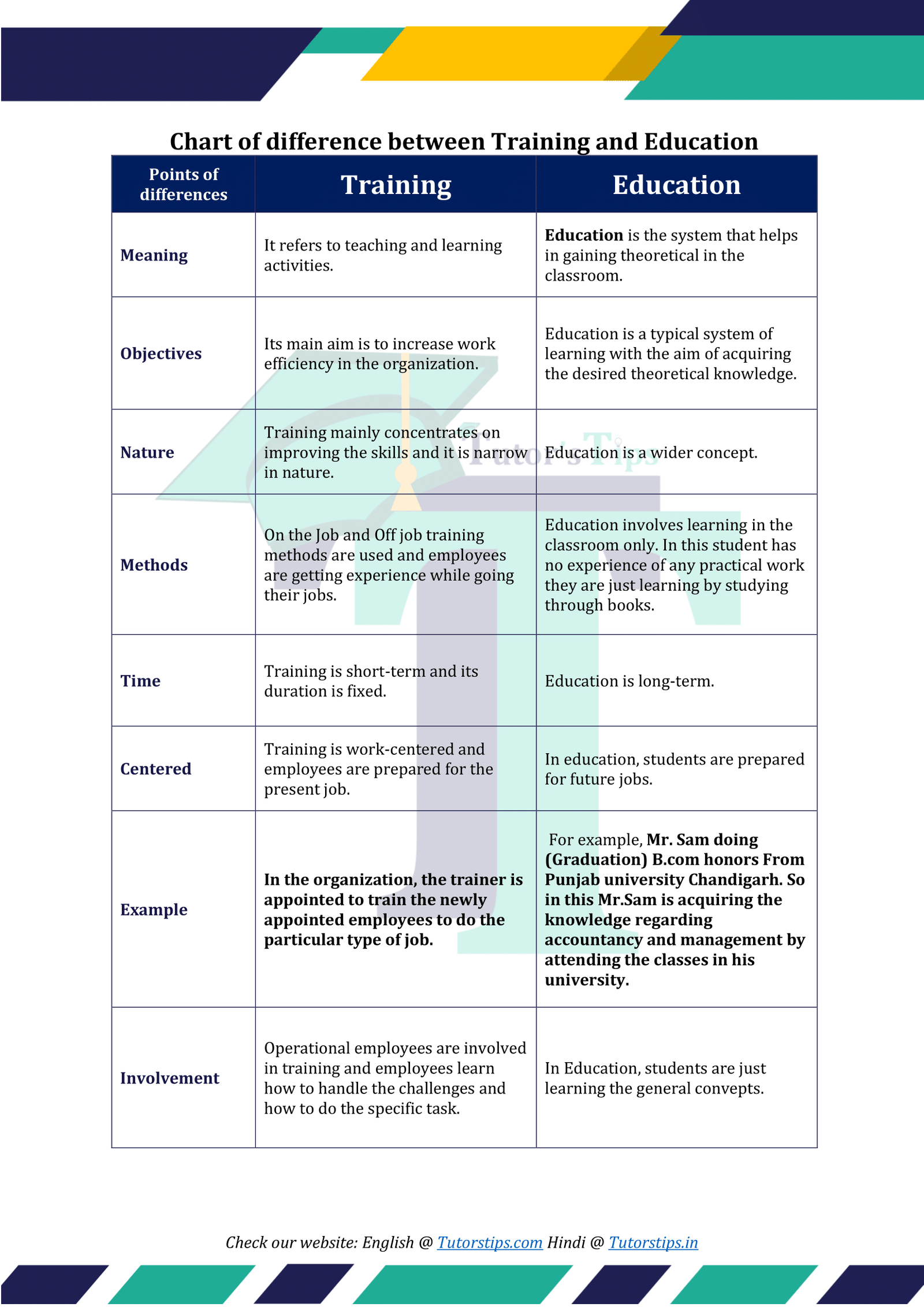
Education traditionally refers to the systematic transmission of knowledge, values, and critical thinking skills—often delivered through schools, colleges, or universities. It’s the foundation that equips people with the ability to understand the world, ask questions, and develop a sense of citizenship.
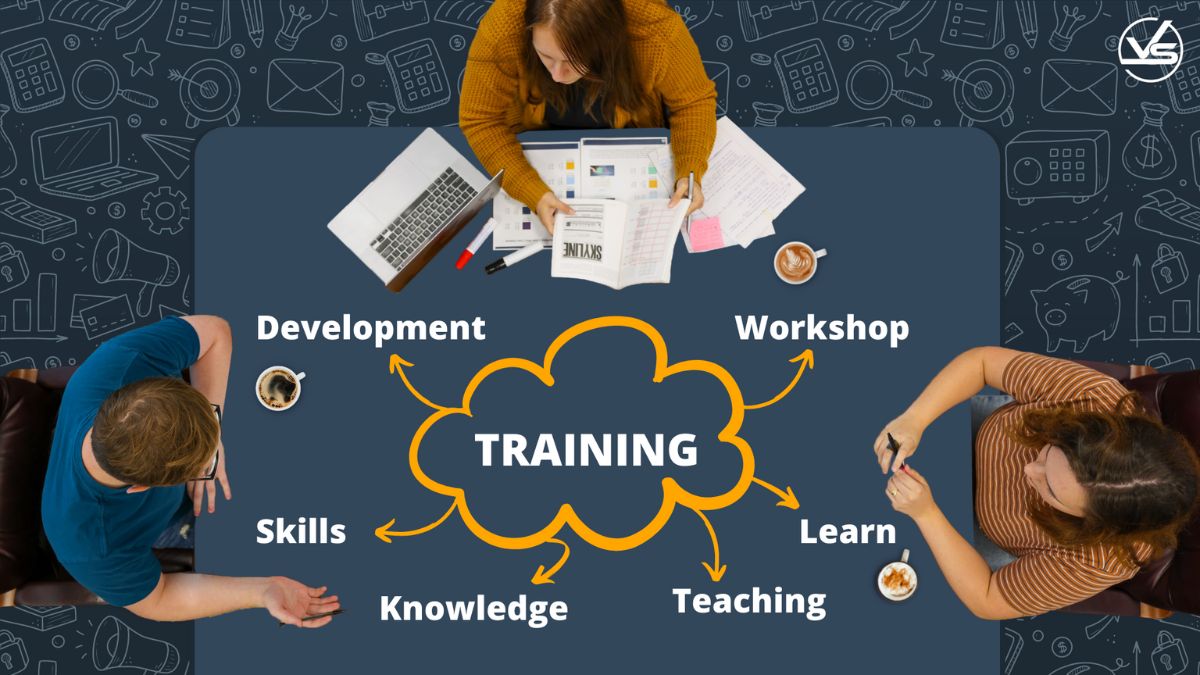
Training, on the other hand, focuses on acquiring specific abilities needed to perform particular tasks. Think of a new employee learning a software platform, a mechanic mastering an engine model, or a chef perfecting a sous‑vide technique. Training is usually shorter, highly practical, and directly tied to performance outcomes.
Why the Distinction Matters
- Governments design policies differently for broad‑based education versus job‑specific training.
- Employers blend both to create adaptable workforces that can think critically and act efficiently.
- Individuals can plan career paths that balance foundational knowledge with hands‑on expertise.
Education’s Long‑Term Impact
Education builds the cognitive scaffolding that supports lifelong adaptability. Graduates tend to earn higher wages, enjoy better health, and participate more actively in civic life. These benefits ripple outward, fostering economic growth and social stability.
Training’s Immediate Payoff
Training translates theory into action. A well‑designed program can slash errors, boost productivity, and reduce turnover. Companies that invest in continuous skill upgrades often see quicker returns on investment because their staff stays current with evolving technologies.
How the Two Intersect
In practice, the line between education and training blurs. Many universities now embed internships, labs, and real‑world projects into curricula, effectively training students for the workforce. Conversely, corporate academies sometimes incorporate broader learning—like ethics or leadership—traditionally the realm of formal education.
Consider the rise of “blended learning.” A digital platform delivers core concepts (education) while on‑the‑job simulations cement those ideas (training). This hybrid approach acknowledges that knowledge alone isn’t enough; you need to know how to apply it.
Key Models Around the World
Different countries have crafted unique ecosystems that marry education and training:
- Germany’s Dual System: Students split time between vocational schools and apprenticeships, earning both a diploma and hands‑on experience.
- Singapore’s SkillsFuture: A national initiative offering subsidies for adults to pursue short courses, ensuring the workforce evolves alongside industry.
- United States Community Colleges: They provide associate degrees (education) alongside certificate programs that target specific trades (training).
Choosing the Right Path for You
It’s tempting to view education and training as mutually exclusive tracks, but most successful careers weave both together. Here are a few questions to help you map a balanced route:
- Do you need a broad understanding to innovate, or a precise skill to execute?
- Is the field you’re entering fast‑changing, demanding frequent upskilling?
- What resources—scholarships, employer tuition assistance, online platforms—are available to you?
Answering honestly can reveal whether a degree program, a certification, or a combination of the two will serve you best.
Future Trends Shaping Education and Training
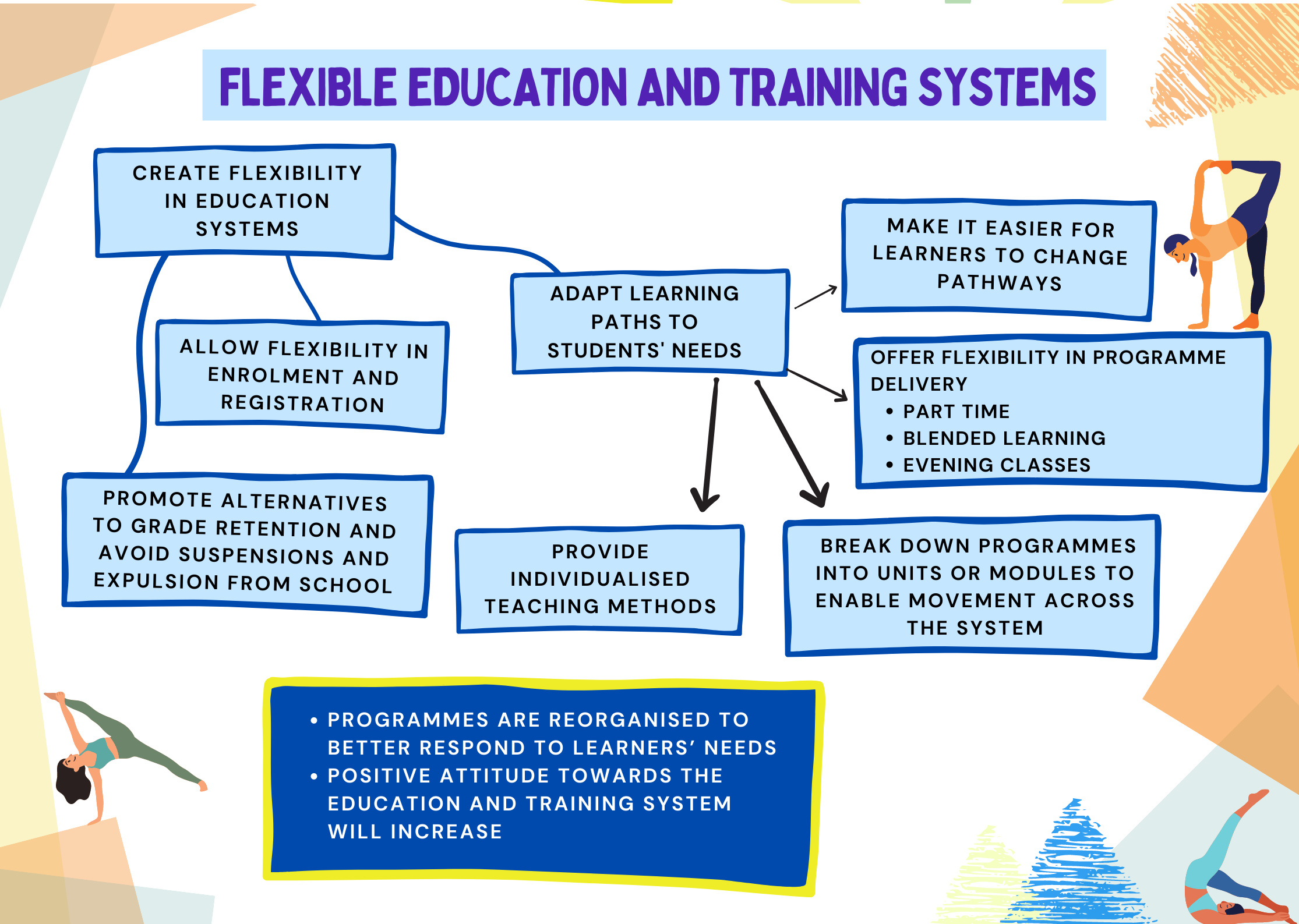
Technology is rewriting the rulebook. Artificial intelligence curates personalized learning pathways, while virtual reality offers immersive training scenarios that were once impossible. Micro‑credentials—bite‑sized, stackable certifications—are gaining credibility, allowing learners to showcase specific competencies without a full degree.
At the same time, the pandemic emphasized flexibility. Hybrid classrooms and remote training modules have become the norm, meaning geography is less of a barrier. As a result, learners can now tap into global expertise without leaving their hometown.
Practical Tips for Continuous Growth
Whether you’re a student, a seasoned professional, or a hiring manager, these simple habits keep the education‑training loop humming:
- Set quarterly learning goals—mix a big‑picture topic with a skill‑specific objective.
- Leverage free resources like MOOCs, webinars, or industry podcasts.
- Ask your employer about mentorship programs that blend theory with real‑world projects.
- Reflect regularly on what you’ve learned; jot down how it applies to current challenges.
Remember, the journey isn’t a sprint; it’s a marathon where education lays the track and training provides the momentum.