What Happens to Your Amazon Account After You Die?
We tend to neglect the digital legacy of our online accounts until it’s too late. Most of us know we need a will for our bank accounts, real estate, and physical possessions. But what about your Amazon Prime membership? That digital library of hundreds of movies, thousands of songs, and years of purchase history doesn’t just vanish when you pass away. In fact, leaving it unattended can create a confusing mess for your loved ones.
Unlike a physical house key that you can leave with an executor, digital assets are locked behind passwords, two-factor authentication, and complex legal frameworks. Closing or transferring an Amazon account requires specific steps that differ slightly depending on whether you want the account shut down completely or passed on to a family member. Without a clear plan, your executor might find themselves locked out of important documents or unable to stop recurring subscription charges.
Understanding Amazon’s Policy on Deceased Users
Amazon, like most tech giants, has specific protocols for handling accounts of deceased users. The cornerstone of this process is Amazon’s Verified Request procedure. This is similar to the system many social media platforms use, but with distinct quirks specific to e-commerce and subscription services.
It is important to note that Amazon does not automatically close accounts upon death. They have no way of knowing you have passed away unless notified. This means your Prime membership will continue to be charged to the linked payment method until the account is either closed or the payment method fails. For many families, this discovery happens months or even years later, leading to unexpected charges on an estate’s credit card.
Amazon’s primary concern is security and privacy. They will not release personal information, including order history or communication logs, to just anyone who claims to be a relative. This is a necessary safeguard against fraud, but it creates a hurdle for immediate family members who might simply want to access a loved one’s Kindle library or cancel a subscription.
The Role of the Digital Executor
The most efficient way to handle this is through a Digital Executor or a designated beneficiary named in your will. If you have specified who should manage your digital assets, Amazon will work with that person, provided they can verify their authority. Without this designation, the process falls to the legal next of kin or the estate’s executor, who must provide legal documentation to prove their right to act on behalf of the deceased.
Step-by-Step: Closing or Transferring the Account
If you are the executor or next of kin, the process begins with gathering the necessary legal documentation. Amazon requires a death certificate, but they also need proof of your authority to act. This is usually a court document, such as an Order to Administer the Estate, which names you as the executor.
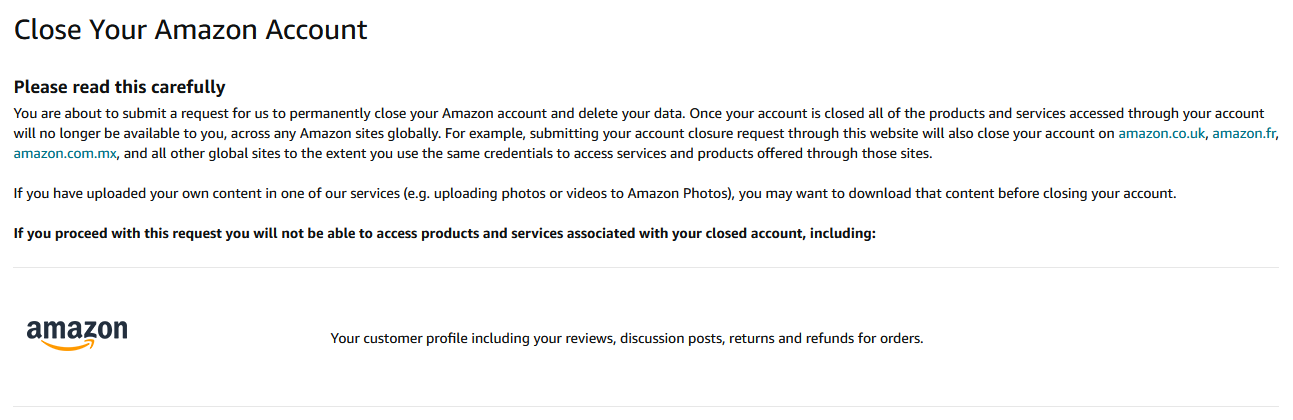
Once you have these documents, you need to contact Amazon directly. Unlike many companies that have an online portal for this, Amazon often requires you to submit a request through their verified request form or contact support directly. Here is what the general workflow looks like:
- Prepare Documentation: Digitize the death certificate and the legal affidavit or court order naming the executor.
- Contact Support: Navigate to the Amazon Help section and look for the login issues or account closing section. Mention that the account holder is deceased.
- Submit Verification: You will likely be asked to upload or fax the legal documents. Keep copies for your records.
- Specify Your Request: Clearly state whether you want the account closed or transferred. If closed, ensure you request an immediate stop to all Prime subscriptions to prevent further charges.
Be patient. This is not an instant automated process. It involves human review to ensure the legal documents are valid and that the request is legitimate. It can take several days to weeks to resolve.
What About Prime Subscriptions and Digital Content?
One of the most common questions is whether the digital content—Kindle books, Audible audiobooks, and Prime Video rentals—can be inherited. The short answer is: it’s complicated.
Kindle and Audible: Traditionally, these licenses are non-transferable. They are tied to the account, not the person. However, if you are the executor, you may be able to request access to the account to download or read the content while it is still active, but you cannot transfer the ownership of the books to a new account. Once the account is closed, access to this content is typically lost permanently.
Prime Membership: You cannot transfer a Prime membership. It is tied to the individual account. If you wish to keep the benefits, you would need to set up a new account and pay for a new subscription. The deceased’s Prime benefits cease upon account closure.
Digital Wallet and Balance: If the deceased left money in their Amazon Gift Card balance or pending refunds, this is considered an asset of the estate. Amazon will typically issue a check to theorder of the estate rather than the individual. You will need to provide the legal letters to access these funds.
Planning Ahead: Avoiding the Hassle
The best way to spare your loved ones this administrative burden is to plan ahead. You can’t change Amazon’s terms of service, but you can organize your digital life.
First, consider using a password manager. Services like LastPass, 1Password, or Bitwarden allow you to designate an Emergency Contact. In the event of your death, this contact can request access to your passwords after a waiting period and with the submission of a death certificate. This gives your executor the keys to the castle without them having to navigate Amazon’s bureaucratic hurdles for login access.
Second, create a Digital Legacy List. This should include a list of your accounts, the purpose of each account, and specific instructions for what to do with them. For Amazon, you might note if there are any pending refunds needed, or if there are specific physical items that need to be returned to stop a subscription.
Finally, update your will. Ensure your executor has the legal authority over your digital assets. In many jurisdictions, general clauses about “all my property” might not automatically grant access to digital accounts due to privacy laws. Adding a specific clause granting your executor the right to access, manage, and close your digital accounts can save them months of legal headaches.
FAQs About Amazon Accounts After Death
Can I cancel my friend's Amazon Prime membership after they die?
Only if you are the legal executor of their estate or their designated next of kin with proper legal documentation. Amazon will not honor requests from friends or casual acquaintances due to privacy protections.
Will my family be charged for Prime if I die?
Yes, unless the account is closed or the payment method is canceled. Amazon’s system will continue to charge the linked card until the subscription is manually canceled or the card is declined. Executors should act quickly to stop these recurring charges.
Can my heir access my Kindle library?
They can access it while the account is active, but they cannot transfer the books to their own account. Once the account is closed, the access to the Kindle library is typically lost.
How long does it take to close an Amazon account after death?
The process varies, but it often takes several weeks. It depends on how quickly you can submit the required legal documents and how fast Amazon’s fraud prevention team reviews them. Have patience and keep a record of all communications.