What Happens When Stage 2 TNBC Returns After a PCR
Learning that a stage 2 triple‑negative breast cancer (TNBC) has come back after achieving a pathological complete response (PCR) can feel like a cruel twist. While a PCR means no residual invasive cancer was found after neoadjuvant therapy, it isn’t a guarantee that the disease won’t reappear. Understanding why recurrence occurs, how it’s detected, and what treatment pathways exist can empower patients and families during this uncertain phase.
Why Recurrence Can Occur Even After a PCR
Even when the surgical specimen shows no remaining tumor cells, microscopic disease may linger in the breast, lymph nodes, or distant sites. TNBC is notorious for its aggressive biology and lack of hormone‑driven targets, which means cancer cells can hide in niches that standard imaging misses. Additionally, genetic heterogeneity—variations in DNA across different tumor cells—allows a small subset to survive chemotherapy and later regrow.
Research suggests that the risk of recurrence is highest within the first two to three years after treatment, especially for triple‑negative subtypes. That timeframe aligns with the typical follow‑up schedule, making vigilant surveillance essential.
How Doctors Detect a Recurrence
Detection relies on a combination of patient‑reported symptoms, routine imaging, and blood‑based markers when appropriate. Common red flags include a new lump, unexplained skin changes, or persistent pain in the treated breast or nearby chest wall. Imaging modalities such as mammography, breast MRI, and sometimes PET‑CT scans are employed based on the clinical picture.
- Clinical exam: Performed every three to six months in the first two years.
- Imaging schedule: Annual mammogram is standard, but high‑risk patients may receive MRI every six months.
- Blood tests: While there’s no universally accepted tumor marker for TNBC, some clinicians monitor circulating tumor DNA in research settings.
Treatment Options After a Stage 2 TNBC Recurrence
If the cancer returns locally—meaning in the breast or nearby lymph nodes—surgical re‑excision, radiation, or a combination may be recommended. For distant (metastatic) recurrence, systemic therapy becomes the focus.
Because TNBC lacks estrogen, progesterone, and HER2 receptors, treatment leans on chemotherapy, immunotherapy, and emerging targeted agents. The choice depends on prior therapies, the location of the recurrence, and the patient’s overall health.
Chemotherapy Regimens
Common options include a platinum‑based combo (carboplatin + paclitaxel) or a taxane‑anthracycline sequence if those agents were not used initially. Dose adjustments may be necessary to balance efficacy with tolerability.
Immunotherapy
Checkpoint inhibitors such as pembrolizumab have shown benefit when paired with chemotherapy in the metastatic setting, particularly for tumors expressing PD‑L1. Ongoing trials are exploring their role earlier in the disease course.
Targeted Clinical Trials
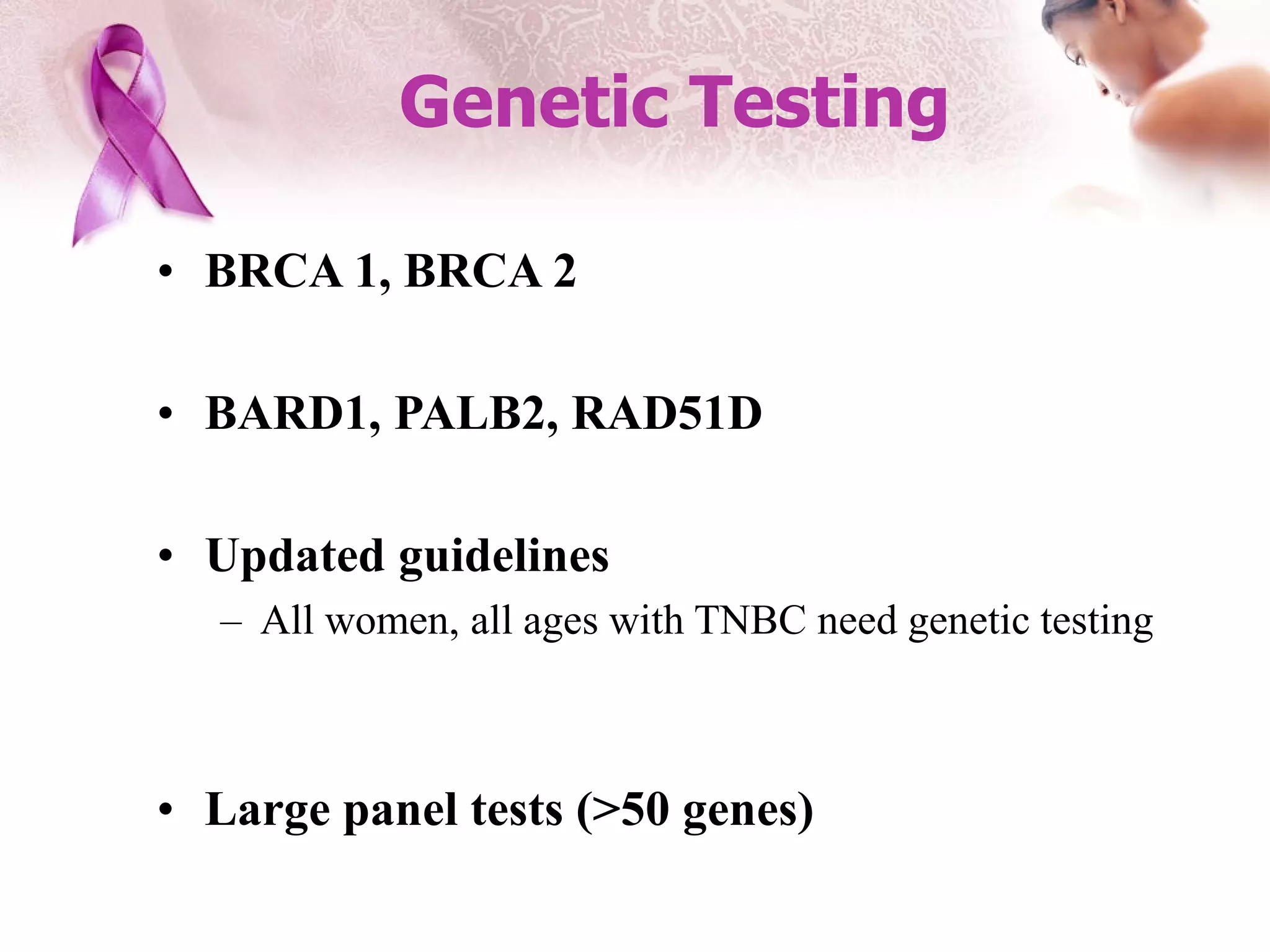
Patients with specific genetic alterations—like BRCA1/2 mutations—might qualify for PARP inhibitor studies. Similarly, agents targeting the androgen receptor or PI3K/AKT pathway are under investigation for TNBC subgroups.
Living with Recurrence: Lifestyle and Support Strategies
Beyond medical treatment, many patients find that nutrition, exercise, and psychosocial support influence quality of life and possibly disease trajectory. A balanced diet rich in fruits, vegetables, lean proteins, and healthy fats can help maintain strength during therapy.
Regular, moderate exercise—walking, yoga, or low‑impact strength training—has been linked to reduced fatigue and better mood in breast‑cancer survivors. Always check with the oncology team before starting a new regimen, especially if bone involvement is present.
Support groups, whether in‑person or virtual, provide a space to share experiences and coping mechanisms. Mental‑health professionals trained in oncology can also address anxiety, depression, or the “survivor’s guilt” many feel after a recurrence.
Key Takeaways for Patients and Families
- Recurrence after a PCR is uncommon but possible, especially within the first few years.
- Early detection hinges on regular clinical exams, appropriate imaging, and paying attention to new symptoms.
- Treatment is personalized: surgery and radiation for local disease, systemic chemo‑immunotherapy or trial enrollment for metastatic spread.
- Holistic care—nutrition, exercise, and emotional support—plays a vital role in navigating the journey.
Frequently Asked Questions
Can a PCR guarantee I won’t have a recurrence?
No. A PCR indicates no detectable cancer in the surgical specimen, but microscopic disease may still exist, especially with aggressive subtypes like TNBC.
How often should I get imaging after a stage 2 TNBC PCR?
Guidelines typically recommend a mammogram every year, with supplemental MRI every six months for the first two years if you’re considered high‑risk.
Are there any targeted drugs for recurrent TNBC?
If you carry a BRCA mutation, PARP inhibitors may be an option. Otherwise, participation in clinical trials that test novel agents (e.g., antibody‑drug conjugates) often provides the most cutting‑edge options.
What lifestyle changes can help after a recurrence?
Focus on a nutrient‑dense diet, stay active within your limits, and seek psychosocial support. These steps don’t replace medical therapy but can improve overall well‑being.