What Is a Poster? Definition, Traits, and Examples
A poster is a printed or digital visual that combines text, images, and design to communicate a message at a glance. In its simplest form, it’s a single‑sheet layout meant to catch attention, convey key points, and often persuade the viewer to act. Whether plastered on a café wall or shared online, posters blend art and information to serve everything from concert promotion to public‑health alerts.
Poster Definition
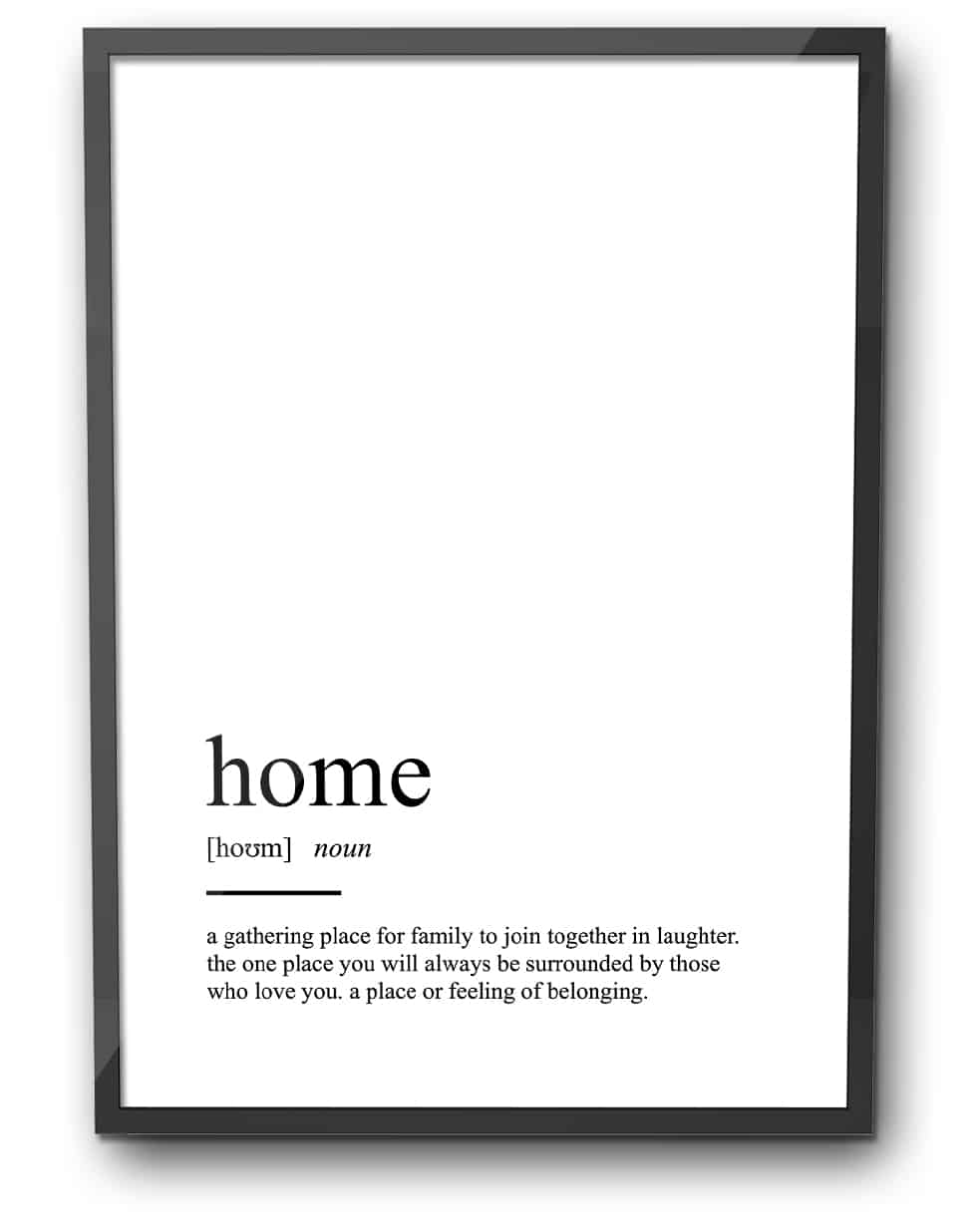
At its core, a poster is a single‑panel graphic that prioritises brevity and visual impact over detailed exposition. Unlike a brochure, which may unfold into multiple pages, a poster stays on one surface, forcing the creator to distil ideas into a concise hierarchy of headlines, supporting text, and imagery. The goal is to make the central message understandable within seconds—an essential trait in crowded spaces where viewers skim rather than read.
Key Characteristics of Effective Posters
Good posters share several identifiable traits, each contributing to rapid comprehension and memorability.
- Clear Visual Hierarchy: The eye is guided from the most important element (usually a bold headline) to secondary details, often through size, colour, or placement.
- Strong Focal Point: A striking image or graphic anchors attention and reinforces the message.
- Limited Text: Concise wording—often no more than a few short sentences—prevents cognitive overload.
- Contrasting Colours: High‑contrast palettes boost readability, especially from a distance.
- Brand Consistency: When used for marketing, logos, fonts, and colour schemes should align with the broader brand identity.
These elements work together like a well‑orchestrated symphony; if one section overwhelms the others, the poster loses balance and effectiveness.
Common Types and Real‑World Examples
Posters serve countless purposes, but a few categories dominate the landscape.
Event Promotion
Think of a music festival flyer: a bold band name headline, vibrant artwork reflecting the genre, and essential details (date, venue, ticket price) in smaller type. The iconic “Woodstock” poster of 1969, with its psychedelic palette and simple text, illustrates how visual style can become synonymous with an era.
Educational and Informational
Schools often display “periodic table” posters, where colour‑coded groups help students locate elements quickly. Public‑health campaigns use infographics—like the “Stop the Spread” COVID‑19 posters that paired a clean, sans‑serif font with icons of masks and hand‑washing.
Commercial Advertising
Retail stores place sale posters near entrances: a striking “50% OFF” headline in red, a product photo, and a brief call‑to‑action. The simplicity ensures shoppers grasp the offer without lingering.
Advocacy and Awareness
Non‑profits rely on emotionally resonant images—such as a black‑and‑white portrait of a child for a famine‑relief campaign—paired with a concise plea for donations. The visual narrative often does more work than the copy.
Designing a Poster: Practical Tips
If you’re crafting a poster, start by defining the single most important message you want viewers to remember. Then select a focal image that embodies that message; the visual should be high‑resolution and relevant. Choose a font hierarchy—typically a bold headline font, a clean body font, and perhaps a decorative accent for flair.
Next, lay out the information using a grid. Even an invisible grid helps align elements, maintaining visual harmony. Test colour contrast with tools like WebAIM’s contrast checker; a ratio of at least 4.5:1 is advisable for legibility. Finally, step back and ask: can a passerby grasp the gist in under five seconds? If not, trim text or simplify graphics.
FAQ
What size should a poster be for outdoor advertising?
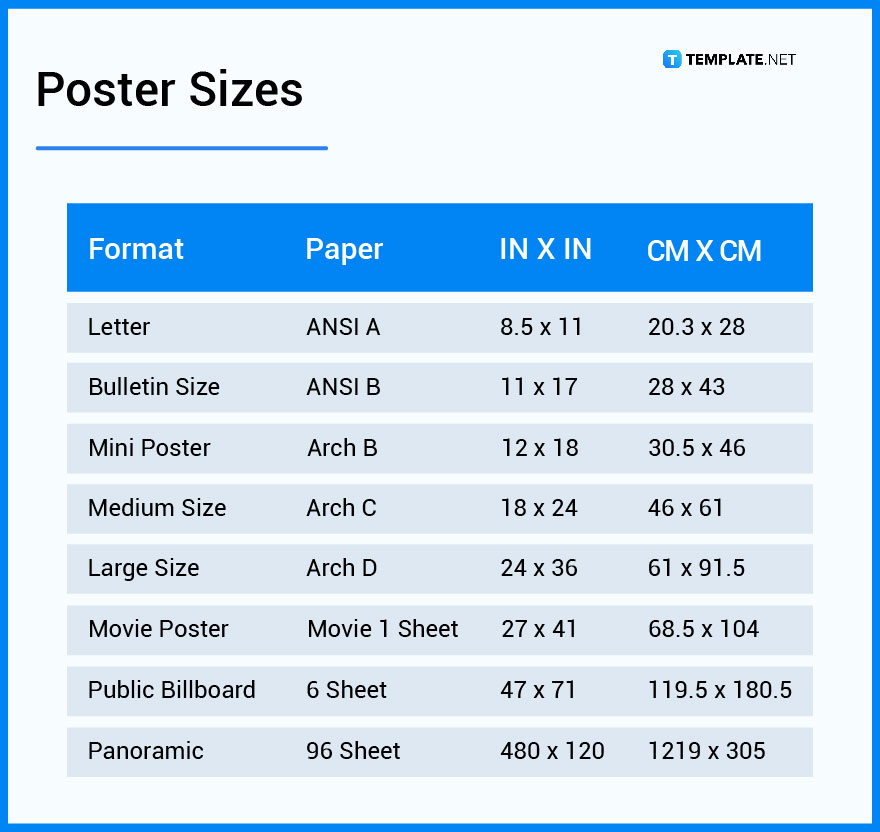
Common outdoor formats include 24×36 inches and 30×40 inches, but size often depends on viewing distance—larger dimensions work better the farther away the audience will be.
Can a digital poster replace a printed one?
Digital posters excel in dynamic environments (e.g., screens in malls) where content can be updated quickly, yet printed posters remain valuable for locations without screens or power sources.
How much text is too much on a poster?
Generally, aim for no more than 30–40 words total. If a sentence feels optional, it probably belongs in a flyer rather than a poster.