What Is Arrogant Behavior? Definition and Real‑World Examples
We’ve all met someone who seems to think the world revolves around them. That feeling often comes down to a specific pattern of actions and attitudes—arrogant behavior. Understanding what makes it tick can help you spot it early, respond more thoughtfully, and maybe even keep your own ego in check.
Defining Arrogant Behavior
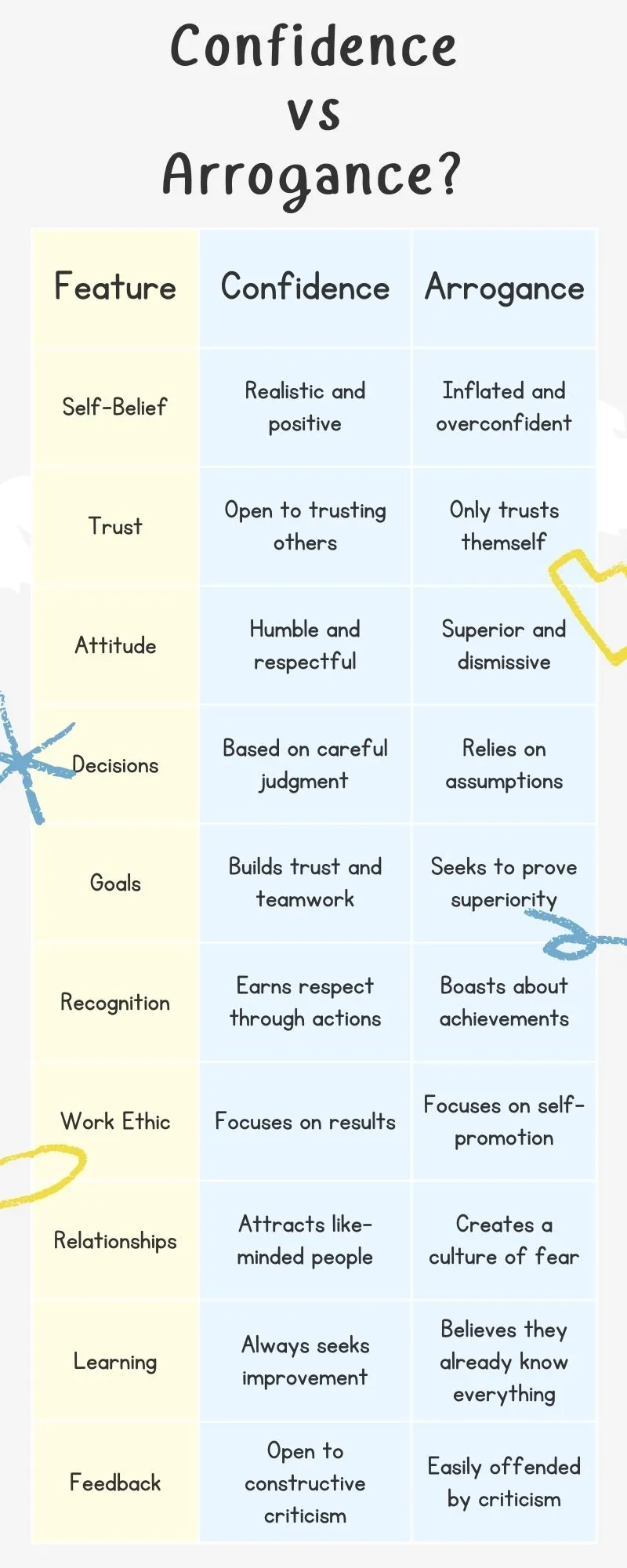
At its core, arrogant behavior is an exaggerated sense of self‑importance paired with a dismissive attitude toward others. It’s not just confidence; it’s confidence that’s turned up to eleven, often without any solid basis. The person believes they are superior—intellectually, socially, or professionally—and openly signals that belief.
Key elements of the definition include:
- Overvaluation of self. Seeing one’s abilities or status as far above average.
- Dismissal of alternative views. Treating others’ opinions as irrelevant or inferior.
- Lack of humility. Rarely, if ever, admitting mistakes or acknowledging help.
Typical Signs That Someone Is Being Arrogant
Spotting arrogance isn’t always a matter of catching a single phrase; it’s a collection of cues.
Verbal Cues
— “I told you so” shows up frequently, even when no advice was given.
— Over‑explaining basics as if they’re groundbreaking.
— Interrupting others to inject personal anecdotes.
Non‑Verbal Cues
— A condescending tone that turns even neutral statements into judgments.
— Body language that dominates space—arms spread wide, chin lifted.
— Eye‑rolling or smirks when someone else speaks.
Behavioral Patterns
— Taking credit for group achievements while deflecting blame.
— Constantly name‑dropping connections or accolades.
— Rejecting feedback, no matter how constructive.
Real‑World Examples Across Settings
Arrogance isn’t confined to any single environment. Below are snapshots that illustrate how it shows up in everyday life.
In the Workplace
Imagine a project manager who insists on the only “right” way to complete a task, ignoring the team’s input. When the deadline is missed, they blame junior staff, yet proudly claim the strategy was theirs all along. The outcome? Low morale and a churn of talent.
On Social Media
Scrolling through a timeline, you notice a fitness influencer who routinely dismisses critics with, “People who can’t keep up just don’t understand discipline.” The post is peppered with self‑praise and no acknowledgment of the community that helped them grow.
Within Friend Groups
A friend constantly boasts about their travel exploits, belittling anyone who hasn’t left the country. When someone shares a personal challenge, the response is, “You just need to try harder.” The dynamic quickly becomes one‑sided.
Why Arrogant Behavior Matters
Beyond the obvious irritation, arrogance can erode trust, stifle collaboration, and even damage mental health. When people feel undervalued, they’re less likely to speak up, share ideas, or stay engaged. For leaders, unchecked arrogance can steer organizations into costly blind spots.
On a personal level, the arrogant individual may miss growth opportunities because they assume they already know everything. Ironically, the very trait that seems to confer superiority can stall progress.
How to Respond When Faced With Arrogance
Dealing with an arrogant person is a balancing act—address the behavior without feeding the ego.
- Stay factual. Cite specific instances rather than vague accusations.
- Ask open‑ended questions. “Can you walk me through why you think that’s the best approach?” invites explanation without outright confrontation.
- Model humility. Share your own mistakes; it sets a tone that acknowledges imperfection.
- Set boundaries. If the behavior turns toxic, it’s okay to limit interaction.
When Arrogance Turns Into a Bigger Problem
If the pattern persists despite gentle nudges, it may signal deeper issues—perhaps a fragile self‑esteem that overcompensates with bravado. In professional settings, HR may need to step in, especially if the behavior borders on bullying.
Self‑Check: Are You Being Arrogant?
Self‑reflection is the first step toward growth. Ask yourself:
- Do I often dismiss others’ ideas without consideration?
- When I’m wrong, do I own up quickly?
- Do I seek feedback, or do I view it as criticism?
If the answer leans toward “yes,” a little humility could go a long way.
Wrapping It Up
Arrogant behavior blends an inflated self‑view with a habit of devaluing others. It shows up in workplaces, online, and even among close friends, and it can undermine relationships and productivity. Recognizing the signs, understanding the impact, and responding with clear, respectful communication are key steps toward a healthier dynamic—for everyone involved.