What’s Behind Marco Rubio’s Ecuador Agenda and Why It Matters
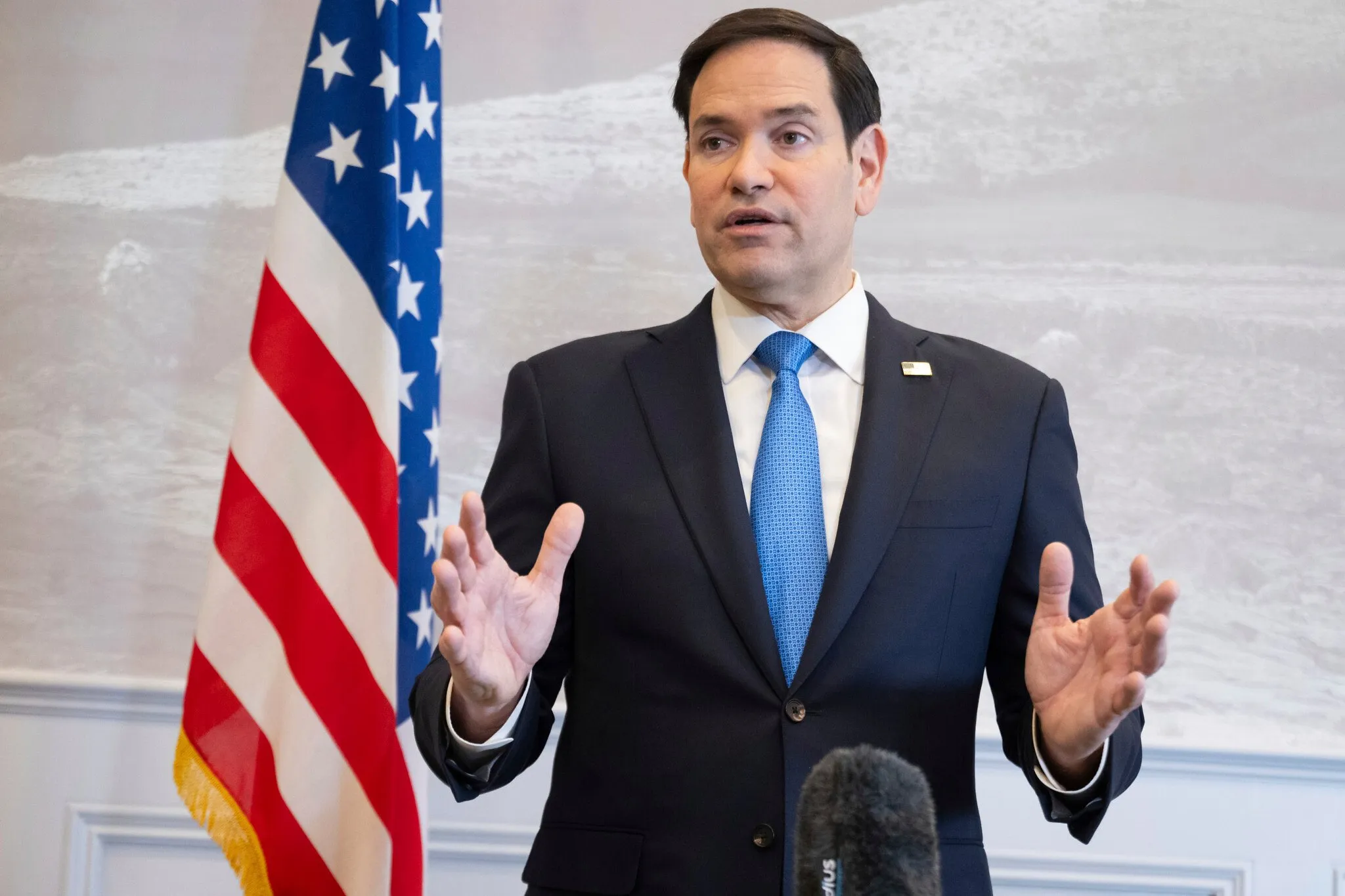
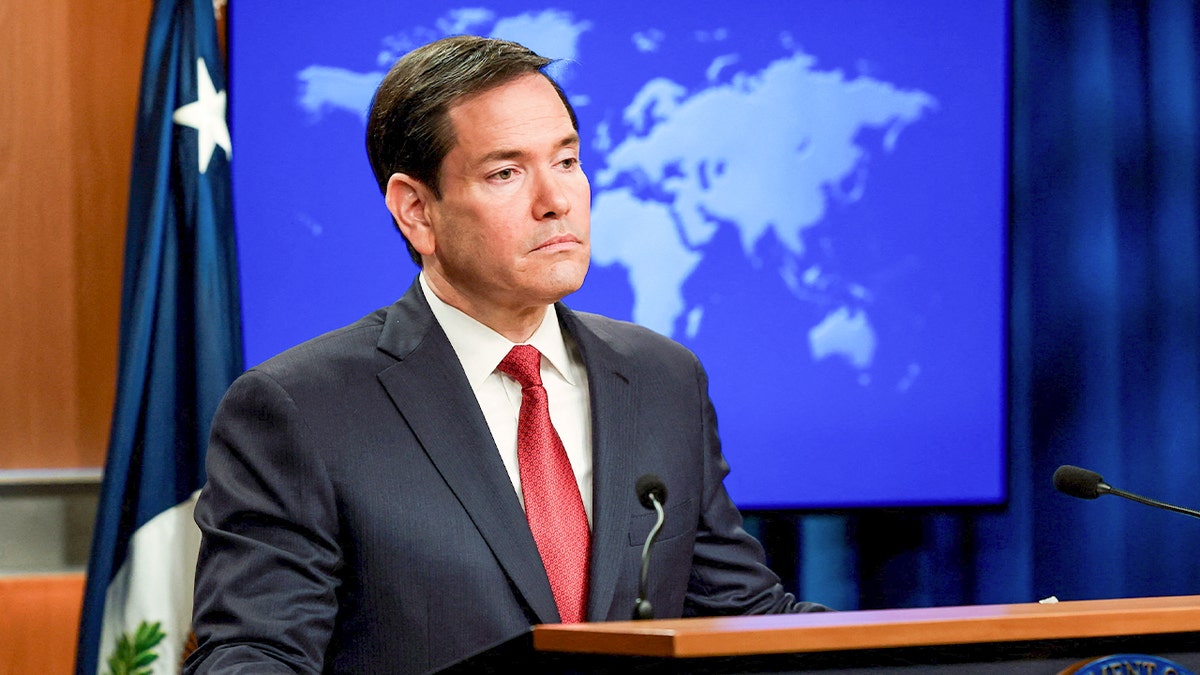
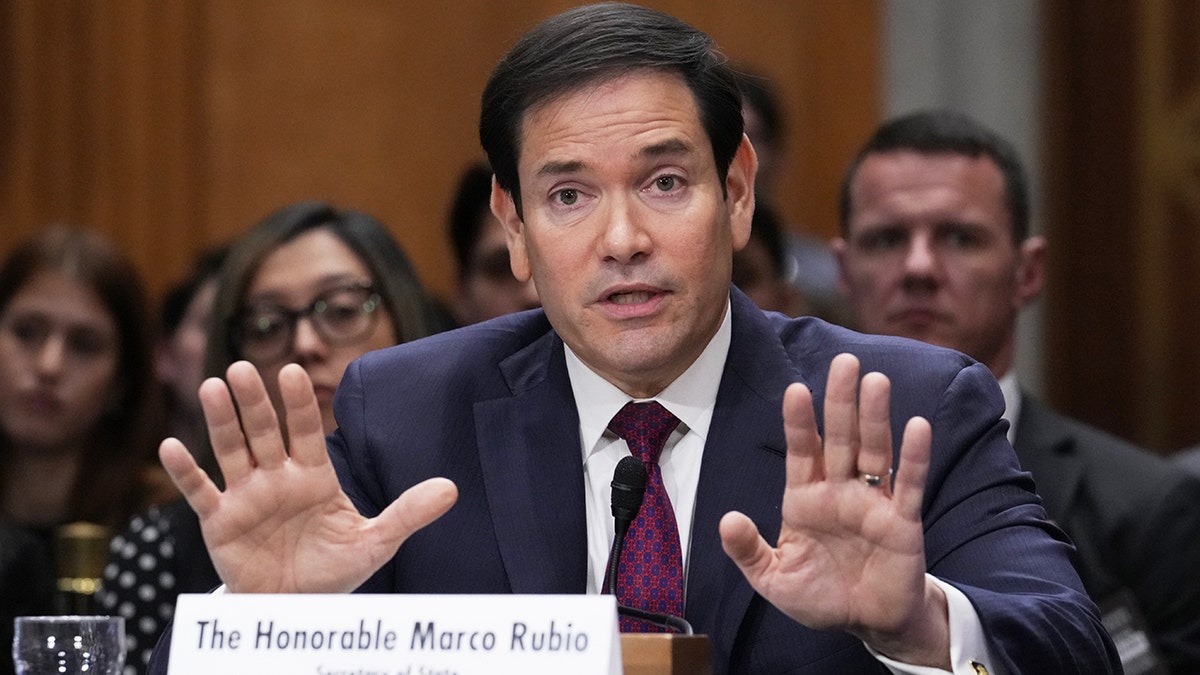
When Senator Marco Rubio traveled to Quito last month, the headlines framed the trip as a “new diplomatic push.” Yet the details of his agenda are less sensational and more strategic, blending trade, security, and regional politics into a package that could reshape U.S.–Ecuador ties. Below is a straightforward look at the main points on the table, the motivations behind them, and the potential ripple effects for both nations.
The Trade Angle: Boosting Market Access
Rubio’s team emphasized three priority sectors:
- Agricultural exports. Ecuador’s banana and coffee industries have struggled with competition from Central America. The U.S. is exploring a “fast‑track” certification process that could lower tariffs and speed up shipments.
- Energy cooperation. While Ecuador has modest oil reserves, the focus is on renewable energy—particularly hydroelectric projects that could export surplus power to neighboring countries.
- Technology transfer. A modest grant program aims to help Ecuadorian startups access U.S. venture capital networks, with a focus on fintech and agritech.
The underlying goal is to create a “balanced” trade relationship that moves beyond the traditional oil‑centric dialogue.
Security Concerns: Tackling Organized Crime
In recent years, Ecuador’s borders with Colombia and Peru have become conduits for narcotics and illegal mining operations. Rubio’s agenda includes:
- Joint training exercises for the Ecuadorian National Police and U.S. DEA agents, emphasizing intelligence sharing.
- A pilot “border tech” program that would install surveillance drones in high‑risk zones, funded through a $15 million grant.
- Negotiations for a limited “extraterritorial” legal framework that would allow U.S. agents to operate on Ecuadorian soil under strict oversight.
These proposals have sparked debate in Quito, where sovereignty advocates warn against any perception of a “U.S. police state” footprint.
Political Nuances: Aligning With Regional Shifts
Rubio’s timing is no accident. With the left‑leaning government in Ecuador navigating internal protests, the administration is seeking new allies. The senator’s agenda subtly positions the United States as a pragmatic partner rather than an ideological adversary. Key points include:
- Support for Ecuador’s bid to host the upcoming Pacific Alliance summit, which could elevate the country’s diplomatic profile.
- Encouragement of democratic reforms, such as strengthening judicial independence, framed as “mutual governance best practices.”
- Open dialogue about migration flows, acknowledging that economic stability in Ecuador can ease pressure on the U.S. southern border.
In practice, this means a series of low‑key meetings with opposition leaders, civil‑society groups, and business chambers—an attempt to build a coalition that can survive any electoral swing.
Potential Benefits for Ecuador
If the agenda moves forward, the benefits could be tangible:
- Improved export margins thanks to reduced tariffs on agricultural goods.
- Enhanced public safety through better‑equipped police forces and real‑time intelligence.
- Increased foreign investment in renewable energy and tech sectors, creating jobs outside the traditional oil industry.
That said, the roadmap is still tentative. Funding allocations remain “subject to congressional approval,” and the Ecuadorian legislature must ratify any security agreements.
Challenges and Criticisms
Several hurdles could stall progress:
Domestic Politics
Opposition parties have already labeled the security pact as a “violation of national sovereignty.” While the executive branch argues that the measures are voluntary, any perception of external interference could fuel protests.
Economic Uncertainty
The global commodities market is volatile, and a sudden dip in coffee prices could undercut the trade incentives Rubio is promoting. Moreover, the proposed tech funding is modest compared with the needs of a burgeoning startup ecosystem.
Regional Competition
Other U.S. allies in the Andes—particularly Colombia and Peru—are also courting Ecuador for similar trade and security deals. A “race to the bottom” on concessions could leave Quito with less bargaining power.
What Comes Next?
In the weeks ahead, the main actions to watch for are:
- The formal signing of a Memorandum of Understanding on trade, expected at the end of July.
- A congressional hearing in Washington on the proposed border‑tech grant, likely to shape the final budget.
- Public consultations in Quito regarding the security pact, scheduled for early August.
These steps will determine whether Rubio’s agenda stays on paper or translates into concrete policies that affect everyday Ecuadorians.
Bottom Line
Marco Rubio’s Ecuador agenda is a blend of pragmatic economics and targeted security measures, framed within a broader push to reinforce democratic institutions in the region. While the proposals promise clear advantages—especially for exporters and law‑enforcement agencies—they also raise legitimate concerns about sovereignty and fiscal sustainability. The upcoming months will reveal whether the partnership can balance those interests or become a footnote in the complex dance of U.S.–Latin American diplomacy.