What’s Behind Washington’s Sports Team Nicknames?
When you hear the chant “Go Caps!” or the roar of “Nationals!” it’s easy to think of the teams themselves, but the nicknames they carry often have deeper roots. Washington sports teams have adopted monikers that echo local history, geography, and even a dash of marketing flair. Below we unpack the stories behind the most recognizable names across the city’s professional leagues.
The Origins of Washington’s Team Nicknames
From the icy halls of the Capital One Arena to the grassy expanse of Nationals Park, each nickname reflects a slice of the capital’s identity. Below is a quick rundown of where the names came from and why they still stick.
- Capitals – A nod to the city’s role as the nation’s political hub.
- Commanders – Honoring the military presence that surrounds the district.
- Wizards – A playful reference to the city’s “magical” political intrigue.
- Nationals – Straightforward, tying the baseball club to the nation’s capital.
- Mystics – Evoking mystery and the city’s historic folklore.
- D.C. United – Emphasizing unity among the region’s diverse fan base.
The Capitals’ Ice‑Cold Moniker
The NHL franchise entered the league in 1974 as the Washington **Capitals**. The name was chosen deliberately to mirror the city’s political significance—just as the nation’s leaders gather at the Capitol building, the team gathers on the ice. Early marketing campaigns played up the “capital” theme, with logos featuring a stylized eagle clutching a hockey stick. While the name is unmistakably civic, it also carries a subtle double‑meaning: a “capital” city is a place of wealth and power, traits any sports franchise hopes to embody.
From Redskins to Commanders: A Naming Evolution
The football club’s journey is perhaps the most contentious. For decades the team was known as the **Redskins**, a name rooted in early‑20th‑century branding that eventually sparked widespread criticism for its cultural insensitivity. In 2020, after intense public pressure, the organization dropped the old moniker and played a season as the Washington **Football Team**, a placeholder that emphasized the city rather than a mascot.
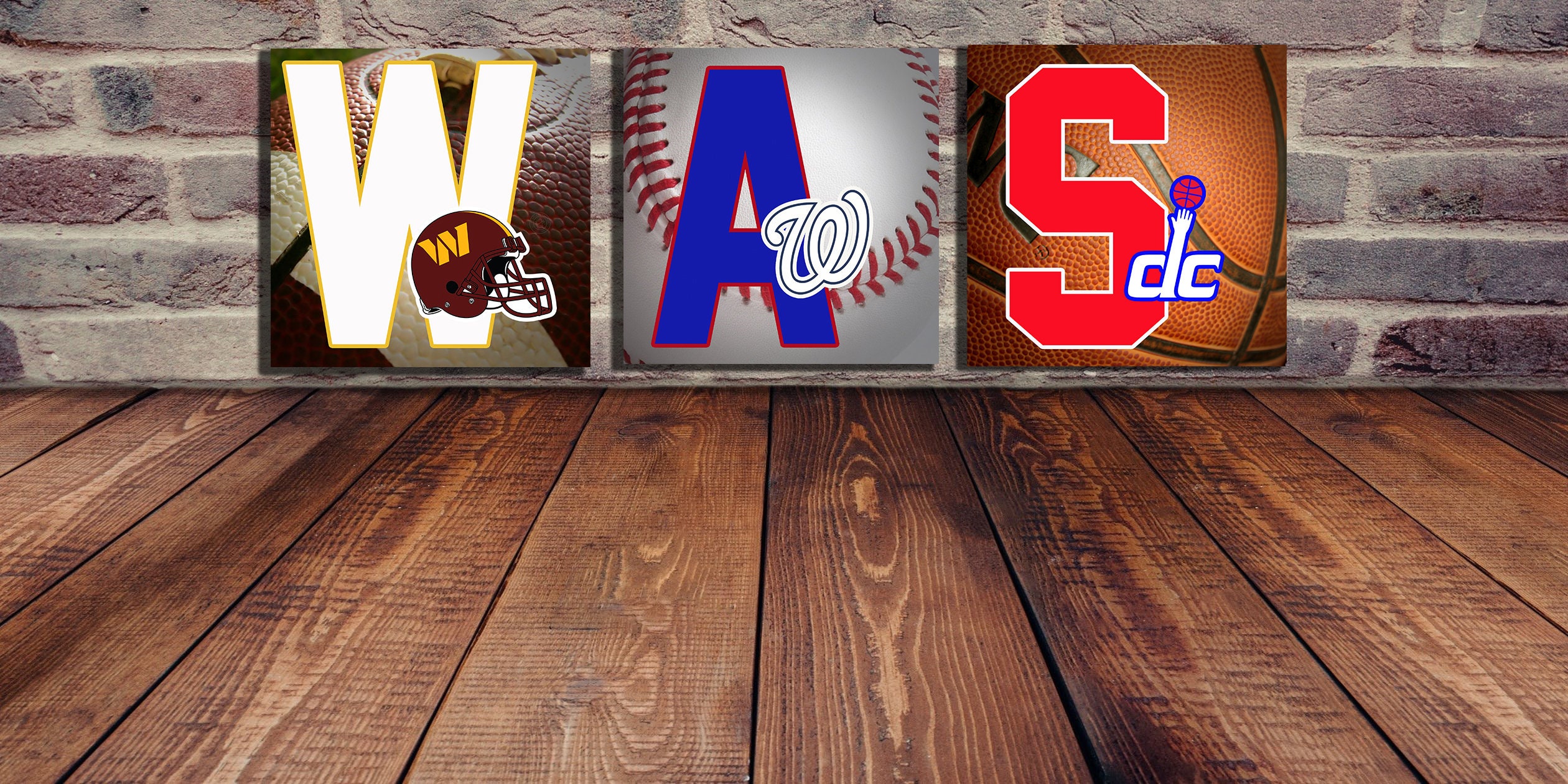
In 2022 the franchise settled on **Commanders**, a title that honors the military installations surrounding D.C., from the Pentagon to the many National Guard units stationed nearby. The term “commander” also conveys leadership and strategy—qualities essential on the gridiron. The new branding includes a sleek, modern logo featuring a stylized “W” that resembles a flag or a marching band, reinforcing the idea of coordinated effort.
Wizards: Politics Meets Magic
The NBA’s Washington **Wizards** have a name that feels almost tongue‑in‑cheek. When the franchise moved from Baltimore in 1973, it was first called the Bullets, a name quickly abandoned for its violent connotations. The “Wizards” label arrived in 1997, inspired by a fan contest that leaned into the city’s reputation for political “wizardry.” The logo—a wizard’s hat perched atop a basketball—suggests that the team can conjure victories out of thin air, a playful nod to the unpredictable nature of both politics and sport.
Nationals: A Straightforward Patriotism
Baseball’s Washington **Nationals** entered the league in 2005, and the name was deliberately uncomplicated. Unlike the Capitals or Commanders, which embed metaphor, “Nationals” is a direct reference to the city’s status as the nation’s capital. The logo—an elegant red, white, and blue “W” with a subtle baseball stitch—reinforces patriotic pride without overcomplicating the brand. Fans appreciate the simplicity; the nickname is instantly recognizable and ties the team to the broader identity of the United States.
Mystics: A Touch of the Enigmatic
When the WNBA granted Washington a franchise in 2011, the league wanted a name that felt both feminine and distinctive. The result: **Mystics**. The moniker draws on the region’s rich folklore, including tales of the “Mysterious” woman of the Potomac River and the secretive corridors of the Capitol. It also hints at the unpredictable nature of basketball—games can turn on a single, unanticipated play, much like a mystic’s prophecy. The logo—a stylized “W” entwined with a basketball—captures this blend of elegance and mystery.
D.C. United: Unity on the Pitch
MLS’s inaugural club, founded in 1995, chose a name that emphasizes community. **D.C. United** was meant to rally soccer fans across the entire metropolitan area, from Maryland to Virginia. The “United” portion mirrors the global soccer tradition of clubs like Manchester United, while also underscoring the city’s role as a unifying political hub. The crest—a shield featuring a bald eagle, a star, and a stylized soccer ball—reflects both national symbolism and the sport’s global reach.
How Nicknames Shape Fan Culture
Beyond branding, these monikers influence the rituals fans perform on game day. Caps fans chant “Cap‑it‑al!” during power plays, while Wizards supporters often wave novelty wands in the arena. The Commanders’ “Charge!” chant echoes military cadence, and Nationals fans proudly display “DCN” caps that double as patriotic headwear. Each nickname creates a shared language that strengthens community bonds across the district’s diverse neighborhoods.
Quick Reference: Nickname Highlights
- Capitals – Political epicenter, “capital” city.
- Commanders – Military leadership, local installations.
- Wizards – Political “magic,” fan‑chosen.
- Nationals – Straight patriotic identity.
- Mystics – Folklore, unpredictability.
- D.C. United – Regional unity, global soccer tradition.
FAQ
Q: Why did the football team change from “Redskins” to “Commanders”?
A: The original name faced growing criticism for being offensive to Native American communities. After a period without a permanent nickname, “Commanders” was selected to honor the military presence around Washington and to provide a fresh, respectful identity.
Q: Are the Capitals’ colors tied to the nickname?
A: Yes. The red, white, and blue palette mirrors the American flag, reinforcing the “capital” theme and linking the team to national symbolism.
Q: What inspired the Wizards’ magical branding?
A: A fan contest in the late 1990s chose “Wizards,” playing off Washington’s reputation for political intrigue and the idea that a team could conjure victories like a magician.
Q: Do the Mystics’ colors have special meaning?
A: The Mystics use a blend of deep navy and teal, colors that convey both professionalism and a hint of the mysterious, aligning with the team’s name.