What’s the Scientific Name of an Apple? A Botany Primer
When you bite into a crisp, sweet apple, you’re actually tasting a plant with a surprisingly rich scientific background. Apple’s scientific name, Malus domestica, tells a story about its family ties, evolution, and the way we’ve shaped it over centuries. In this guide we’ll unpack that name, explore the botany of your favorite fruit, and see why the details matter beyond the grocery aisle.
The Formal Name and Its Meaning
Malus domestica breaks down into two Latin parts. “Malus” is the genus that groups together apples, crabapples, and a handful of close relatives. “domestica” simply means “domesticated,” highlighting that the tree we grow today is a product of human cultivation rather than a wild species.
This naming follows the binomial system introduced by Carl Linnaeus in the 18th century. By assigning a two‑word Latin label, scientists ensure that a plant is identified the same way everywhere—from a Boston orchard to a Kyoto market.
Where Apples Fit in the Plant Kingdom
Apples belong to the family Rosaceae, the rose family, which also houses cherries, peaches, and strawberries. Within that family they sit in the subfamily Amygdaloideae, a group known for fleshy fruits with a single seed encased in a hard endocarp (think peach pits).
The hierarchy looks like this:
- Kingdom: Plantae
- Clade: Angiosperms (flowering plants)
- Order: Rosales
- Family: Rosaceae
- Genus: Malus
- Species: domestica
Understanding this lineage helps explain why apples share certain traits—such as five‑petaled flowers and a similar fruit structure—with their rosaceous cousins.
Anatomy of an Apple Fruit
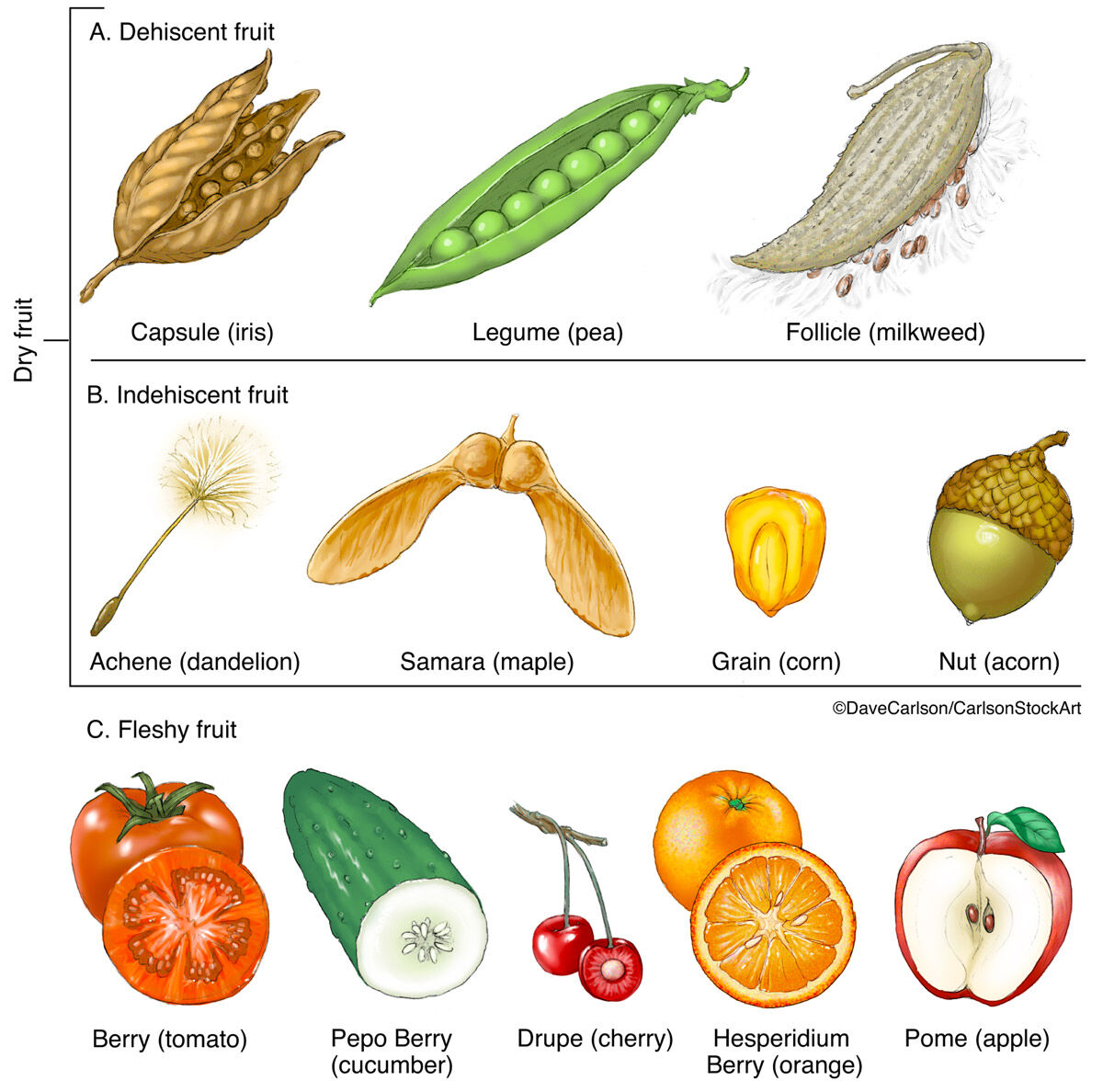
The part we call “the apple” is technically a pome, a type of accessory fruit. Unlike a berry, where the flesh originates from the ovary, a pome’s edible flesh develops from the receptacle that surrounds the true ovary.
Key layers, from outside in, include:
- Exocarp – the skin, rich in pigments like anthocyanins (red) or chlorophyll (green).
- Mesocarp – the thin, often slightly crunchy layer just beneath the skin.
- Endocarp – the core tissue that houses the seeds; it’s tougher than the surrounding flesh.
- Seeds – each seed contains a tiny amount of amygdalin, a compound that can release cyanide if heavily chewed, though normal consumption poses no risk.
This structure explains why the core feels distinct from the rest of the fruit and why the skin can be a nutritional powerhouse—packed with fiber and antioxidants.
From Wild Trees to Orchard Cultivars
Wild ancestors of Malus domestica roamed the mountains of Central Asia, especially around present‑day Kazakhstan. Those original trees bore small, tart fruits that were more useful for wildlife than for human snacking.
Over the last 2,000 years, growers selected for larger size, sweeter flavor, and better storage qualities. The result? Thousands of cultivars, from the bright‑red Red Delicious to the honey‑kissed Honeycrisp. Each cultivar carries a slightly different genetic mix, but all remain members of the same species.
Modern breeding also focuses on disease resistance, especially against apple scab (caused by Venturia inaequalis) and fire blight (caused by Erwinia amylovora). By understanding the botany behind the disease cycles, researchers can introduce resistant genes without sacrificing flavor.
Why the Botany Matters to Consumers
Knowing the scientific background of an apple isn’t just academic. It can guide choices at the market and in the kitchen:
- Seasonality – Certain cultivars, like Granny Smith, mature later in the year, while others, such as McIntosh, hit peak flavor in early fall.
- Nutrient profile – Darker skins usually contain higher levels of polyphenols, which research links to heart‑health benefits.
- Storage tips – Understanding that apples continue to respire after harvest helps you select cooler, humidity‑controlled spaces to keep them crisp longer.
In short, the botanical details translate into practical decisions that affect taste, nutrition, and waste.
Frequently Asked Questions
Is the apple’s scientific name the same worldwide?
Yes. Regardless of language, botanists refer to the cultivated apple as Malus domestica. The Latin format ensures universal recognition.
Do all apples belong to the same species?
Practically, yes. Even the most distinct cultivars share enough genetic traits to be classified as a single species, though wild relatives like Malus sieversii remain separate.
Can I grow an apple tree from a store‑bought apple?
Technically you can sprout a seed, but the resulting tree will produce fruit unlike the parent—often smaller and more tart—because commercial apples are hybrids that don’t breed true from seed.
What makes a fruit a “pome”?
A pome develops when the surrounding floral tissue (the receptacle) swells around the ovary. This is why apples have a core with seeds encased in a hard endocarp, distinct from true berries where the ovary itself becomes the edible part.

:max_bytes(150000):strip_icc()/86-Apple-Varieties-You-Should-Know-FT-2-MAG1123-adad193ac64e4fa8a1959c2b4851b676.jpg)

