What Sport Mode Really Does: A Complete Breakdown
When you see the little icon on a dashboard or a button in a car’s infotainment system labeled Sport Mode, it feels like a promise of faster acceleration, sharper handling, or a more thrilling ride. In reality, Sport Mode is a set of software adjustments that re‑tailor a vehicle’s electronic control units (ECUs) to deliver a more dynamic driving experience. This article breaks down exactly what those tweaks do, how they affect performance, and whether turning it on is worth it for everyday use.
What Is Sport Mode?
At its core, Sport Mode is a pre‑programmed setting that modifies key parameters across the car’s systems. Think of it as a software “profile” that tells the engine, transmission, suspension, and brakes to behave differently. The changes are typically:
- Engine mapping – The engine control unit (ECU) adjusts fuel injection and ignition timing to increase power output.
- Transmission shift points – The gearbox holds gears longer before upshifting, keeping the engine in a higher torque range.
- Throttle response – The accelerator pedal’s signal is amplified for a quicker response.
- Suspension damping – If the car has adaptive dampers, the system stiffens to reduce body roll.
- Brake bias – The brake controller may shift more weight to the front or rear to improve stability during hard braking.
Some vehicles also tweak the steering ratio or electronic stability control thresholds, making the car feel more “alive.” All these adjustments are made through software; no mechanical parts are altered.
How the Powertrain Benefits
When Sport Mode is activated, the engine’s torque curve is shifted toward higher RPMs. For a gasoline engine, this means the ECU may run a richer fuel mixture and advance ignition timing. The result is a surge in horsepower, especially noticeable during acceleration out of a corner or at the limit of a hill climb.
In hybrids, Sport Mode often tells the motor controller to use the electric motor more aggressively. The battery pack may deliver higher current for a brief burst, adding instant torque that complements the internal combustion engine. Many modern hybrids also keep the gasoline engine idling instead of shutting it down when the battery is low, ensuring power is always available when you need it.
Transmission: Keeping the Engine in the Sweet Spot
The most noticeable change for many drivers is the delay in gear changes. A standard automatic might shift at 2500–3000 RPM for a 2‑barrel V6, but in Sport Mode that threshold can jump to 3500–4000 RPM or higher. This keeps the engine in its power band longer, translating into sharper acceleration and a more engaging drive.
Manual or semi‑automatic transmissions can also alter shift points or apply a different torque‑limiting curve to preserve the engine’s performance envelope.
Suspension and Braking: Stability Meets Aggression
Adaptive dampers, when available, become firmer. A stiffer rear damper reduces squat, allowing the rear axle to bite into the road more effectively. Front dampers may also be tuned for a tighter feel. This improves cornering but can make the ride feel harsher on uneven surfaces.
Brake bias adjustments help maintain balance under hard braking. A typical strategy is to shift more bias to the front for stability, but some sport packages reduce the front bias slightly to preserve rear traction when accelerating out of a corner.
When to Use Sport Mode
While Sport Mode offers exhilarating performance, it’s not always the best choice. Consider the following scenarios:
- Track days or spirited highway runs – The added power and sharper steering make the car more responsive.
- Emergency maneuvers – Higher engine torque and stiffer suspension can aid in quick evasive actions.
- Daily driving – Most commuters prefer a calmer ride and better fuel economy; Sport Mode can reduce efficiency by up to 5–10%.
Pros and Cons in a Nutshell
- Pros
- Immediate, noticeable acceleration boost.
- Sharper steering and improved cornering.
- Increased driver engagement.
- Cons
- Higher fuel consumption.
- More rapid wear on tires and brakes.
- Potentially harsher ride over rough roads.
Activating Sport Mode Across Different Vehicles
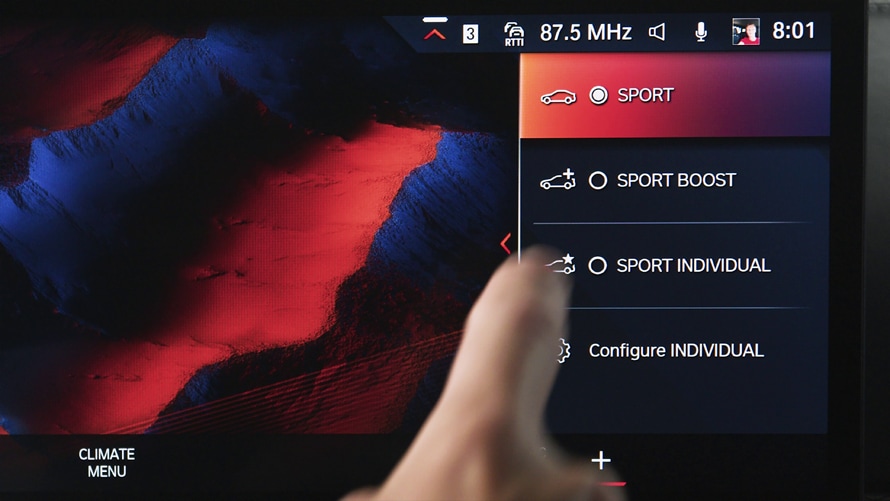
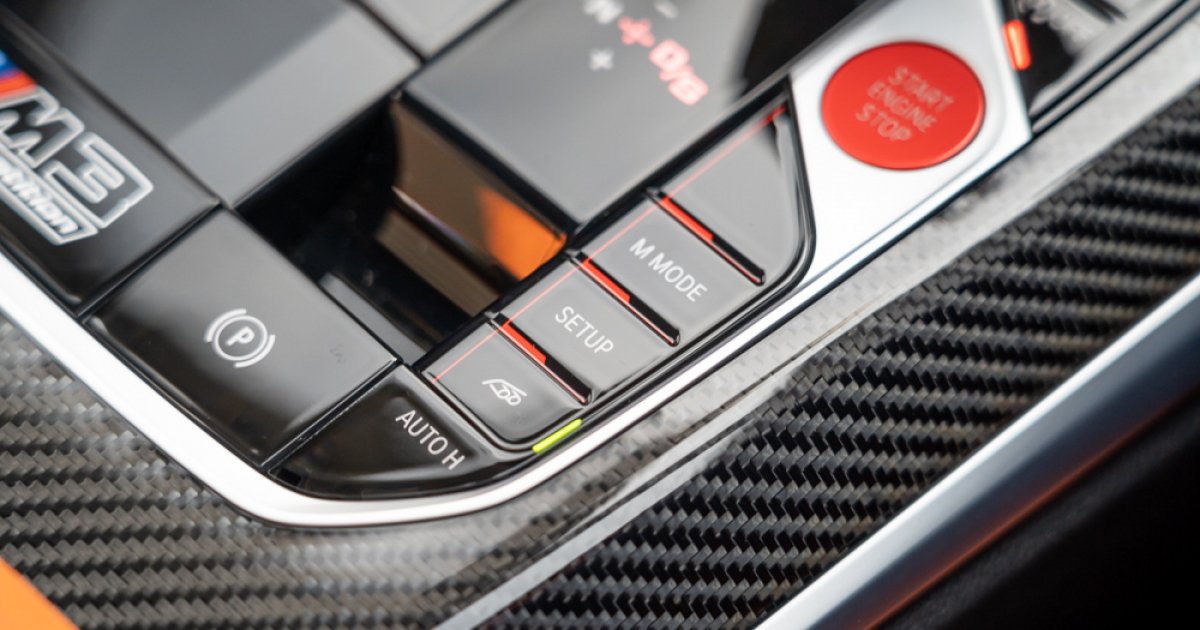
Most manufacturers use a dedicated button or a menu in the infotainment system. The process is typically straightforward:
- Locate the “Sport” button or navigate to “Drive Mode” in the settings menu.
- Press the button or select the mode to lock the vehicle into the sport profile.
- Some vehicles automatically return to standard mode when the engine is turned off, while others require manual deactivation.
On hybrid models, turning Sport Mode on may also activate a higher battery usage setting, so drivers should be aware of the impact on electric range.
Frequently Asked Questions
- Does Sport Mode increase engine wear? The higher torque output does place more load on the drivetrain, but modern engines are designed to handle these peaks. Regular maintenance mitigates long‑term wear.
- Will Sport Mode ruin my car’s warranty? Generally, no. It’s an officially supported feature. However, always check your manufacturer’s warranty terms for specific clauses.
- Can I use Sport Mode on a manual transmission? Yes, many manuals have a “Sport” setting that adjusts shift points and throttle response, though it’s often less dramatic than in automatics.
In short, Sport Mode is a sophisticated software tool that tailors a vehicle’s performance to deliver a more engaging, powerful ride. By understanding how it changes engine mapping, shift logic, suspension, and braking, drivers can decide when the added excitement is worth the trade‑offs in fuel economy and comfort.