What the 2014 OSCE Ukraine Report Reveals About the Conflict
The Organization for Security and Co‑operation in Europe released a comprehensive assessment of the situation in Ukraine for the year 2014. While the document is dense, a few recurring themes stand out, shaping how analysts and policymakers still interpret the crisis today. Below we break down the most salient findings, dig into the data behind them, and consider what they imply for the broader security landscape in Eastern Europe.
Background: Why 2014 Still Matters
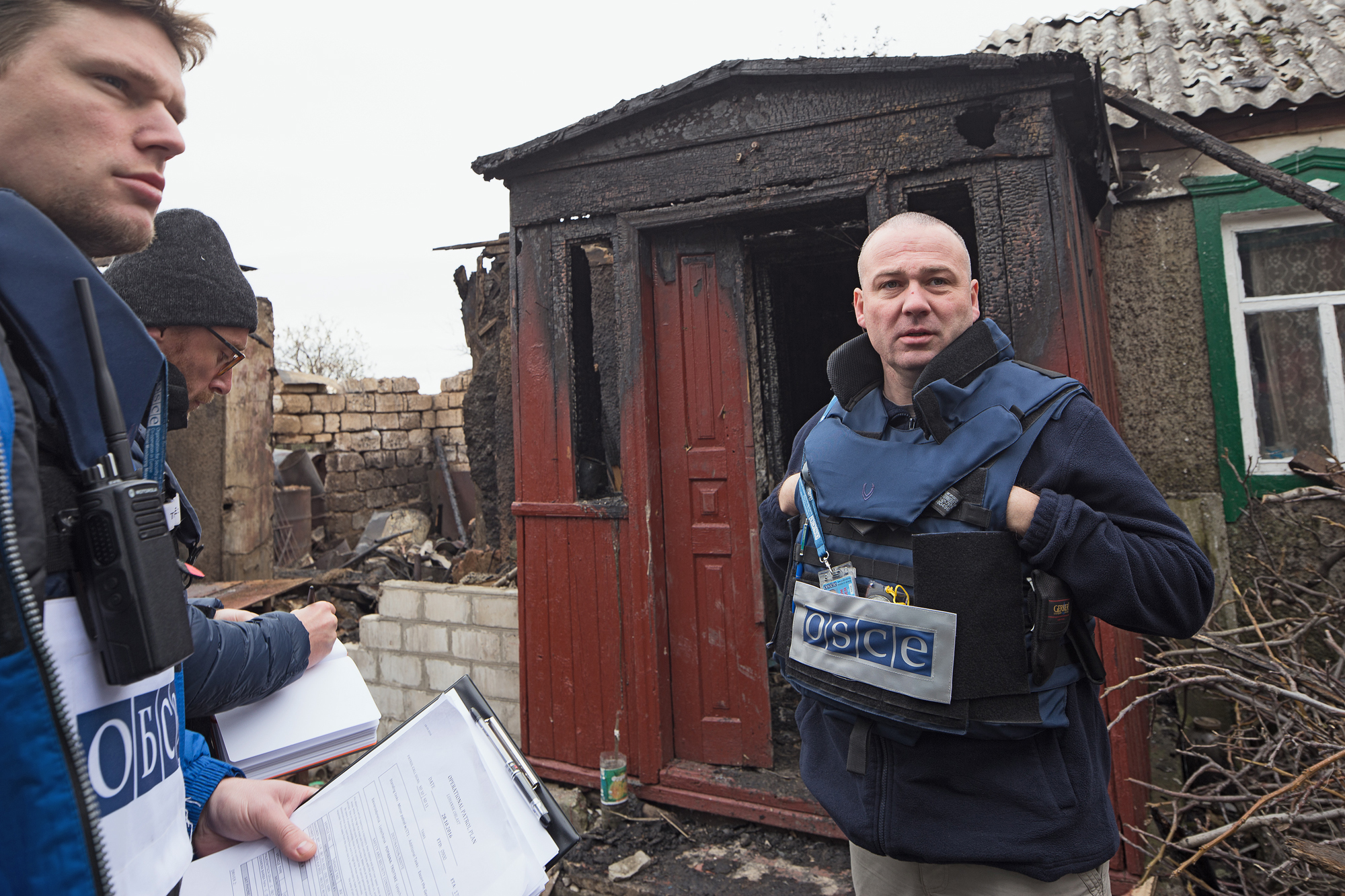
2014 marked the turning point when protests in Kyiv escalated into a full‑blown political upheaval, followed by the annexation of Crimea and the outbreak of fighting in the Donbas region. The OSCE mission, mandated to monitor human rights, cease‑fire violations, and humanitarian access, produced a year‑long report that remains a primary source for understanding the early dynamics of the conflict.
Key Objectives of the OSCE Assessment
- Document violations of the 1994 Budapest Memorandum and other security commitments.
- Track displacement patterns and civilian casualties.
- Assess the effectiveness of diplomatic initiatives, such as the Minsk agreements.
- Provide recommendations for future monitoring and conflict‑prevention mechanisms.
Major Findings at a Glance
Three overarching observations dominate the report:
- Escalating violence in eastern Ukraine: After the initial clashes in April, the frequency of artillery and small‑arms fire surged, particularly around Donetsk and Luhansk.
- Humanitarian strain on displaced populations: More than 1.5 million people were forced to leave their homes, with many relying on ad‑hoc shelters and limited aid.
- Limited compliance with cease‑fire accords: Even after the first Minsk protocol, violations persisted, often attributed to “unauthorized” armed groups operating with external support.
Delving Deeper: Violence and Cease‑Fire Violations
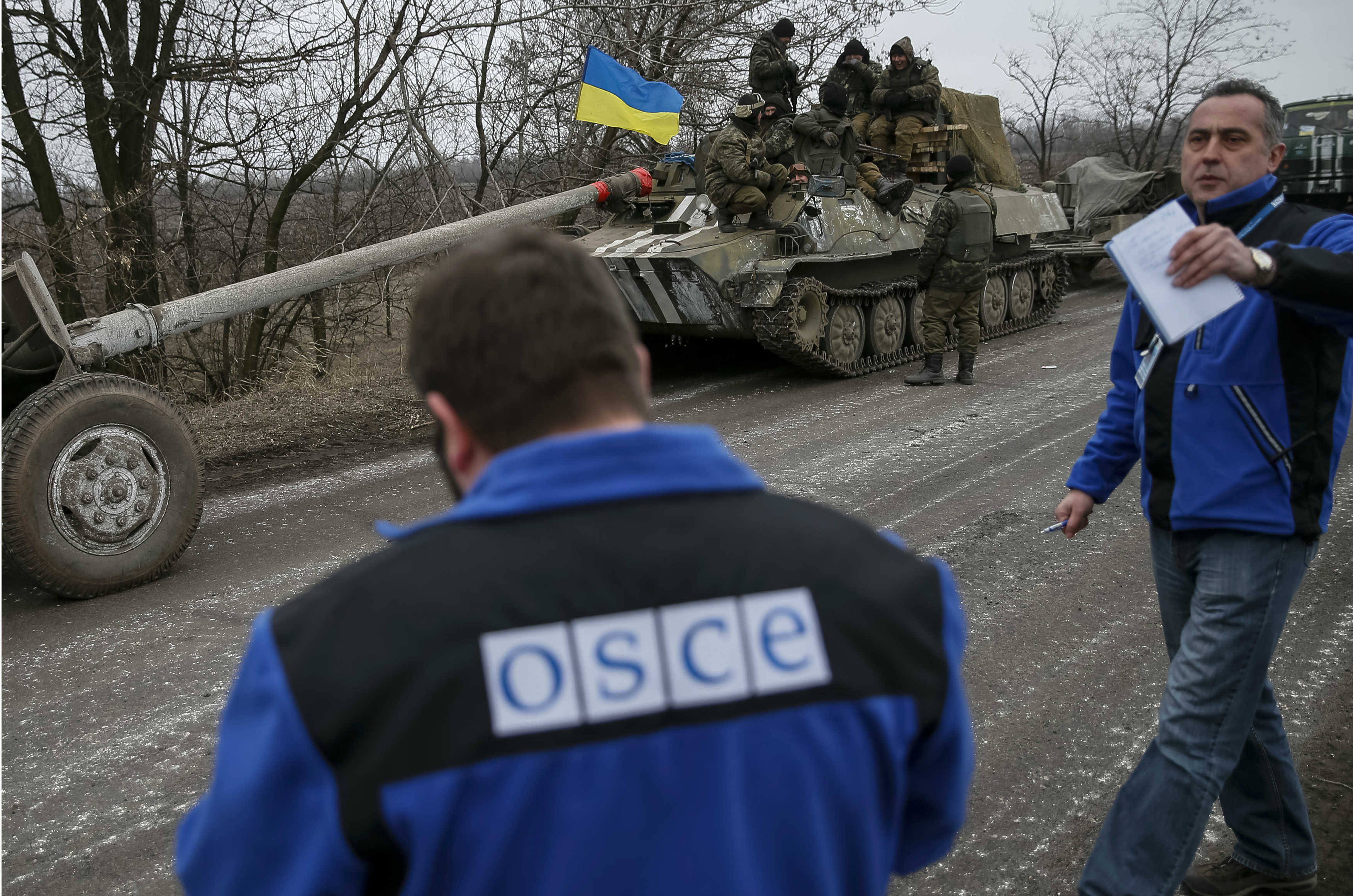
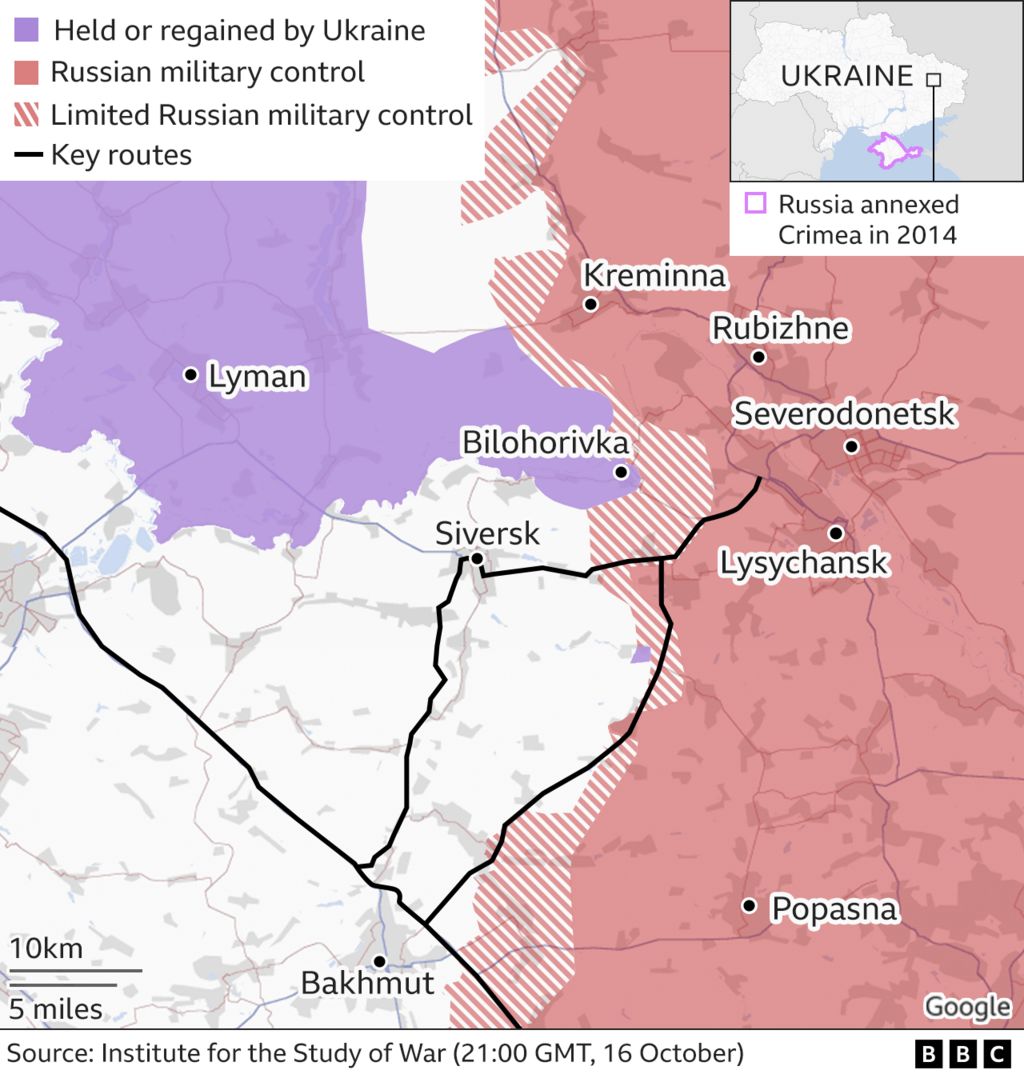
The OSCE’s monitoring teams recorded over 6,300 cease‑fire breaches throughout 2014. While the raw number is striking, the report emphasizes the spatial concentration of these incidents. The “hot spot” maps show that 70 % of violations occurred within a 30‑kilometre radius of the front lines, suggesting that outside this zone the situation remained relatively stable.
One nuance the report flags is the difficulty distinguishing between regular armed forces and irregular militias. Many incidents were logged as “unidentified weaponry,” reflecting the challenges of on‑the‑ground verification. This ambiguity fuels ongoing debates about the extent of direct foreign involvement.
Humanitarian Impact: Displacement and Assistance Gaps
Displacement figures in the report are sobering, but the narrative goes beyond numbers. The OSCE observed that:
- Women and children represented 62 % of the internally displaced persons (IDPs), highlighting gender‑specific vulnerabilities.
- Access to clean water and medical supplies was intermittent, especially in contested zones where checkpoints slowed aid convoys.
- Local NGOs stepped in to fill gaps, yet they faced financing shortfalls and security threats.
These findings prompted the OSCE to recommend a coordinated “humanitarian corridor” model, a suggestion that later negotiations attempted to institutionalize but never fully realized.
Political Dimensions: Minsk Agreements and Their Limits
The first Minsk protocol, signed in September 2014, is a centerpiece of the report. While the OSDE applauds the diplomatic effort, it notes an “implementation gap” that stemmed from three interlinked problems:
- Ambiguous language regarding the withdrawal of heavy weapons, leaving room for divergent interpretations.
- Lack of a unified command structure among separatist groups, making verification impossible.
- External political pressures that discouraged full compliance from both Kyiv and Moscow.
Consequently, the OSCE concluded that any durable peace would require not only a clear cease‑fire but also credible mechanisms for monitoring troop movements and ensuring accountability.
Implications for Future Monitoring
Looking ahead, the report outlines several lessons for international observers:
- Enhanced data‑fusion tools: Integrating satellite imagery with field reports could reduce reliance on “unidentified” classifications.
- Local liaison networks: Building trust with community leaders can improve early warning of potential flare‑ups.
- Flexible mandate structures: Allowing the OSCE mission to adapt its focus—shifting between security, human rights, and humanitarian corridors—may yield more responsive outcomes.
These recommendations have already influenced later OSCE missions, yet the challenges of access and political will remain stubbornly persistent.
Why the 2014 Findings Still Resonate
Even seven years on, analysts cite the 2014 OSCE report as a benchmark for assessing the conflict’s trajectory. Its blend of quantitative data (casualty counts, displacement numbers) and qualitative observations (security‑sector behavior, civilian sentiment) offers a template for evaluating ongoing tensions in Donbas and beyond.
In practice, the report’s emphasis on “verification gaps” continues to shape diplomatic dialogues. For instance, when discussing renewed cease‑fire talks, negotiators often return to the OSCE’s call for “transparent, mutually‑agreed verification mechanisms.”
Takeaways for Readers
If you’re following the Ukraine situation, keep these points in mind:
- The 2014 violence surge was not uniformly distributed; focus on the eastern corridor for the highest risk.
- Humanitarian needs are deeply intertwined with security dynamics—aid access hinges on political agreements.
- Any lasting peace will likely depend on clear, enforceable terms and robust monitoring, lessons the OSCE painstakingly documented.
Understanding the OSCE’s 2014 findings equips you with a grounded perspective, whether you’re a policy maker, a journalist, or simply an informed citizen trying to make sense of a complex conflict.