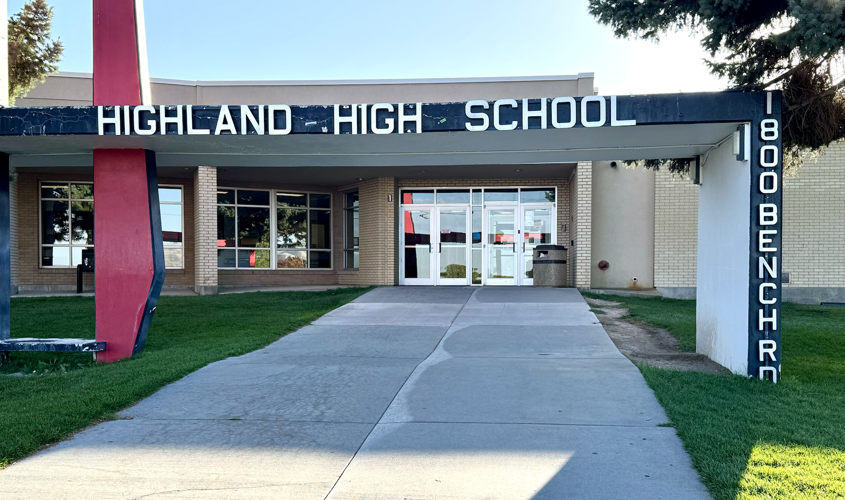
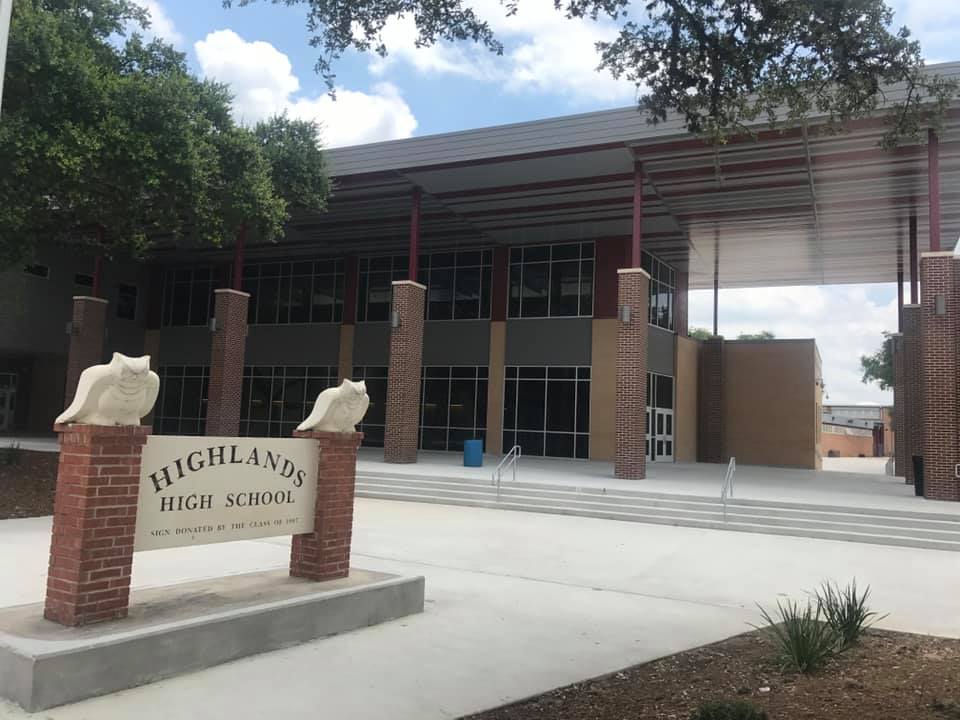
What the 6A Classification Means for Highland High School
When you hear that Highland High School competes in the 6A class, you’re hearing a shorthand for a whole set of rules that shape who the school plays, travels to, and even which academic contests it enters. The University Interscholastic League (UIL) in Texas uses these classifications to keep competition fair, but the details can feel like a maze if you haven’t walked through it before.
Understanding the 6A Label
UIL’s six‑A tier is the topmost bracket for public high schools, reserved for the largest enrollments. Every two years the league gathers enrollment figures from each campus—counting students in grades 9‑12—and slots schools into classes based on where those numbers fall. In the most recent realignment, schools with 2,200 students or more landed in 6A, while those just below slipped into 5A. Highland High School’s reported enrollment hovers around the low‑2‑thousands mark, which comfortably secures its place among the 6A ranks.
How the Classification Affects Athletics
For athletes, the 6A tag dictates the pool of opponents. Football schedules, for instance, are built around district play, meaning Highland will meet other 6A schools in its geographic region during the regular season. This often translates to longer bus rides and larger crowds, but also to a higher level of competition—players regularly face opponents who field deep rosters and benefit from extensive training resources.
Beyond football, every sport—from basketball to swimming—follows the same district‑based logic. Playoff brackets are also organized by classification, so a Highland volleyball team that makes it past district will only encounter other 6A squads as it advances toward the state tournament.
Academic and Fine‑Arts Implications
It’s not just the football field that feels the ripple. UIL runs a host of academic contests—debate, science, computer programming—each divided by class. Competing in 6A means Highland’s teams will be measured against the state’s largest schools, which often have more specialized coaches and broader course offerings. The same goes for fine‑arts events like marching band and theater; a 6A marching band typically performs in a larger competitive field, with stricter judging criteria that emphasize both precision and creativity.
Why Schools Move Between Classes
Enrollment isn’t static. A sudden population boom in a district can push a 5A school into 6A, while a decline might see a 6A program drop down a level. UIL’s biennial realignment gives districts a chance to adjust, and schools can appeal if they feel the numbers don’t reflect reality—say, a large number of part‑time students or a temporary enrollment dip caused by a new charter school opening nearby.
Highland High School has maintained its 6A status for several cycles, largely because the community has experienced steady growth. That stability helps coaches plan long‑term, knowing the level of competition won’t swing dramatically from one season to the next.
Travel, Rivalries, and Community Impact
One of the most noticeable side effects of a 6A classification is the travel schedule. District opponents can be dozens of miles away, which means bus rides that start before sunrise on game day. While that can be tiring for student‑athletes, it also builds camaraderie and gives fans a chance to rally behind their team on the road.
Rivalries tend to become more entrenched in 6A. When Highland squares off against a neighboring 6A powerhouse year after year, the games take on a narrative beyond the scoreboard—local pride, college scouting interest, and even town‑wide celebrations hinge on those matchups.
What Parents and Students Should Know
If you’re a parent wondering how the 6A label impacts your child’s experience, the short answer is: expect a higher bar of competition and a broader network of opportunities. Scholarships, for example, often flow more readily from colleges that scout 6A events, simply because the talent pool is larger and more visible.
Students can also benefit academically. Competing in 6A academic contests forces teams to prepare at a level comparable to the state’s best, which can sharpen skills and boost college applications. That said, the pressure can be intense, so it’s wise to balance extracurricular ambitions with personal well‑being.
Looking Ahead: Future Realignments
The next UIL realignment is slated for 2028. Demographers project that Highland’s enrollment could climb modestly, keeping the school solidly within 6A. However, any major shifts—like the opening of a large private academy nearby—could nudge the numbers enough to trigger a reclassification. Keeping an eye on district reports and school board meetings will give you the earliest hint of such changes.
Frequently Asked Questions
- What determines a school’s 6A status? UIL looks at the total number of students enrolled in grades 9‑12 during a specific data‑collection window, then places schools into classes based on preset enrollment ranges.
- How often does the classification change? Every two years, UIL releases a new realignment. Schools can move up or down depending on enrollment trends.
- Can a school choose to stay in 6A even if its numbers drop? Generally no; schools may appeal, but the league’s goal is to keep competition equitable, so classifications usually follow the latest data.
- Does 6A affect only sports? Not at all. All UIL‑sanctioned events—including academic contests, music, and theater—are divided by classification, so Highland’s 6A label shapes a wide range of student activities.