What “The Big Short” Reveals About the 2008 Financial Crisis
The 2008 financial crisis still feels like a distant thunderstorm, yet the 2015 film The Big Short pulls the clouds down to street level. By following a handful of outsiders who saw the collapse coming, the movie unpacks the tangled web of mortgages, derivatives, and hubris that toppled the global economy. If you’ve ever wondered how a few investors turned a looming disaster into a profit, the film offers a surprisingly clear roadmap.
How “The Big Short” Dissects the Housing Bubble
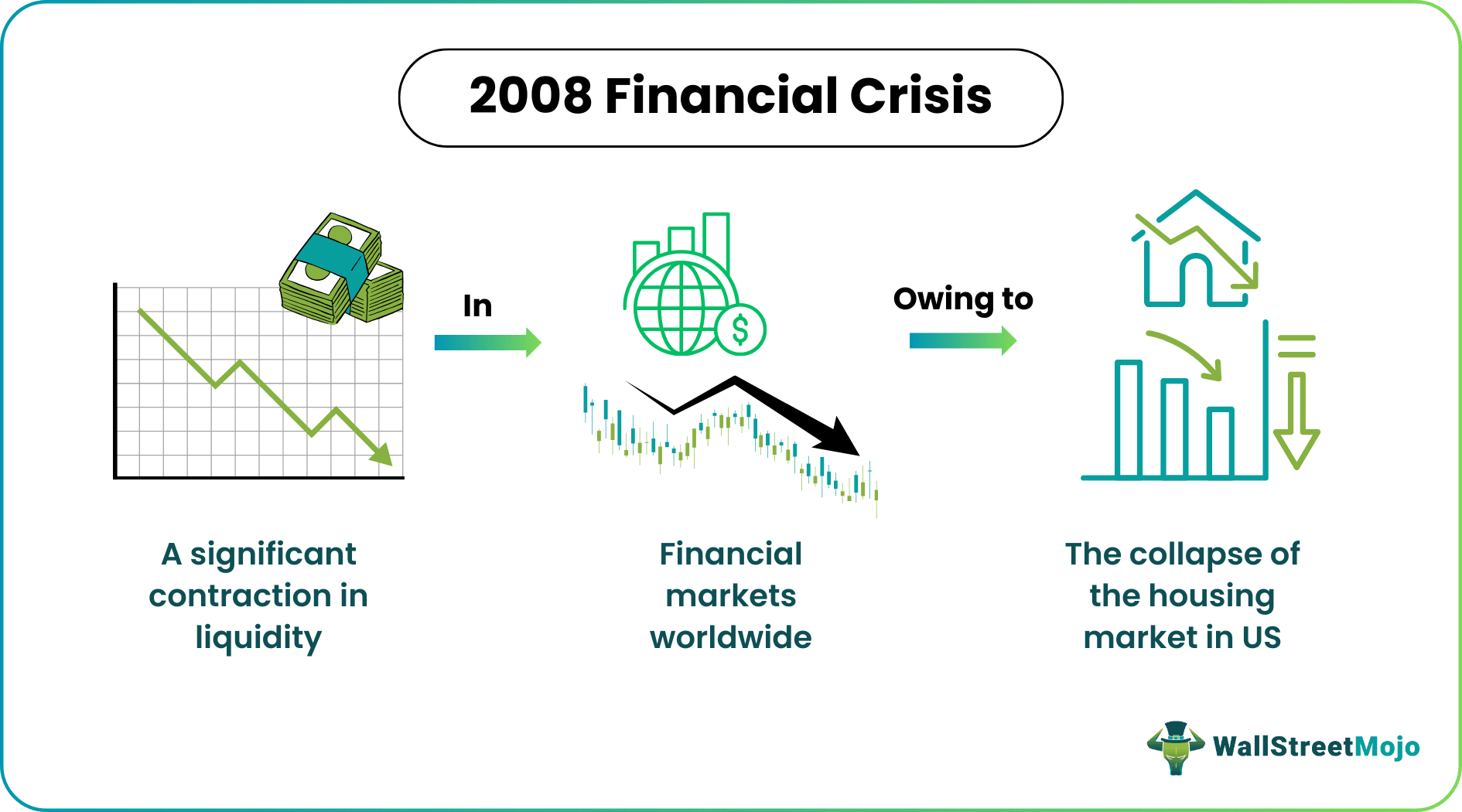
At the heart of the crisis lay the subprime mortgage market—loans given to borrowers with shaky credit histories. Lenders bundled these risky loans into mortgage‑backed securities (MBS) and sold them to investors, promising steady returns. The film shows how, once housing prices stopped rising, defaults surged, and the MBS values evaporated almost overnight.
What makes the story gripping is the visual metaphor the directors use: a tiny house of cards built on shaky foundations. As each card—each subprime loan—falls, the entire structure collapses, and the investors who bet against it reap the reward.
The Real‑World Players Behind the Film
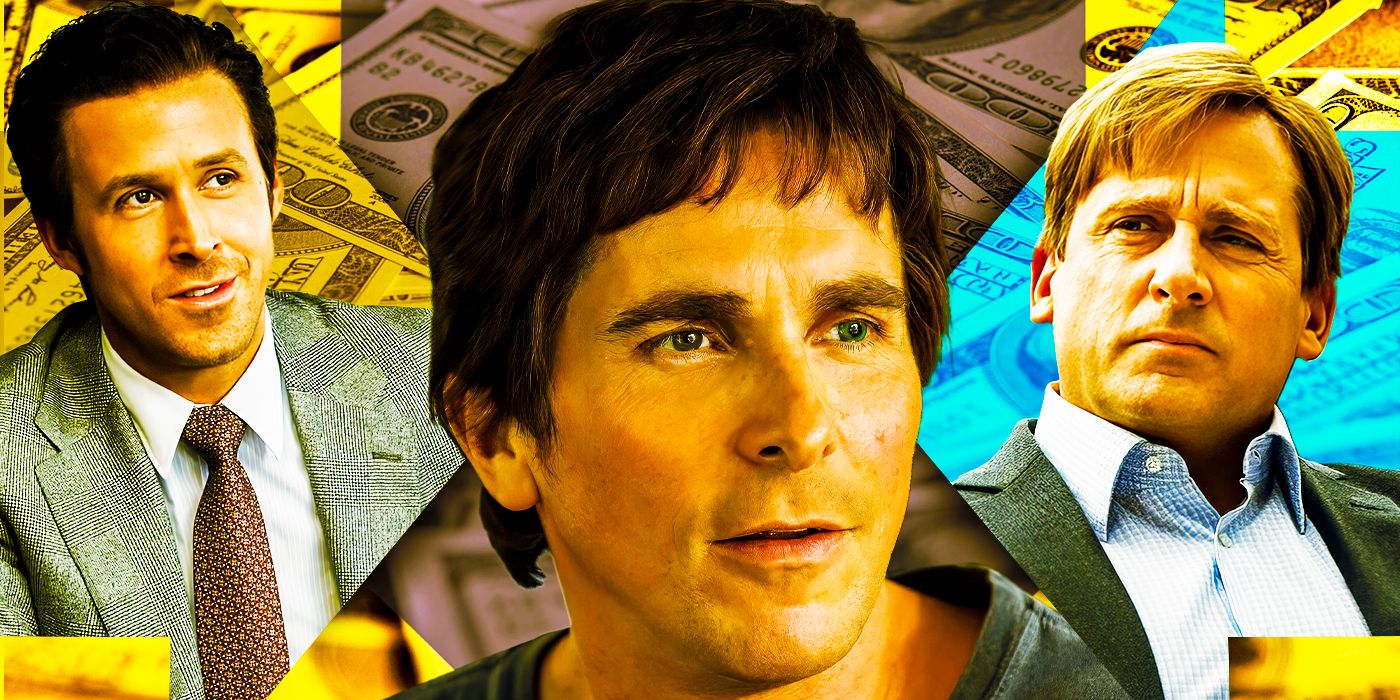
Four real investors drive the narrative:
- Michael Burry, a neurologist‑turned‑hedge‑fund manager, first noticed the growing delinquencies in mortgage data.
- Steve Eisman, a blunt‑spoken Wall Street analyst, called the market “a circus” before the fall.
- Greg Lippmann, a trader who helped create the very instruments he later shorted.
- Charlie Ledley and Jamie Mai of Cornwall Capital, who turned a $110,000 investment into a multimillion‑dollar windfall.
These characters aren’t heroes in the traditional sense; they’re more like skeptical accountants who refused to go along with the optimism that had become the market’s mantra.
Why the Market Ignored the Warning Signs
Rating agencies played a pivotal role. By assigning AAA ratings to complex securities that contained subprime loans, they gave investors a false sense of safety. The film highlights the conflict of interest: agencies were paid by the very banks whose products they were grading.
Meanwhile, regulators treated the housing boom as a self‑correcting system. The prevailing belief was that home prices would never fall nationwide, a belief that proved disastrously optimistic.
The Mechanics of the Short
To profit from the impending collapse, the investors used credit‑default swaps (CDS). Think of a CDS as insurance on a bond; you pay a premium, and if the bond defaults, you collect a payout. The film shows how the traders bought massive amounts of CDS on mortgage‑backed securities, essentially betting that the “insurance” would pay out when the market crashed.
What’s striking is the scale. By the time the crisis hit, the notional value of CDS contracts tied to subprime assets ran into the trillions of dollars—far beyond the actual debt they were meant to insure.
Lessons the Crisis Left Behind
One clear takeaway is the danger of “model risk.” Financial institutions relied heavily on mathematical models that assumed housing prices would keep climbing. When reality diverged, the models offered no safety net.
The crisis also sparked major regulatory reforms, most notably the Dodd‑Frank Act, which introduced stricter capital requirements and created the Consumer Financial Protection Bureau. While the reforms have reduced some of the excesses that led to 2008, debates continue over whether they go far enough.
Finally, the film reminds viewers that markets are not infallible. Human psychology—overconfidence, herd behavior, and the desire for quick profits—can override even the most sophisticated risk assessments.
FAQ
What exactly is a credit‑default swap?
A credit‑default swap is a contract that allows an investor to transfer the credit risk of a bond or loan to another party. The buyer pays a regular premium, and if the underlying asset defaults, the seller compensates the buyer for the loss.
Did “The Big Short” accurately portray the 2008 crisis?
While the film condenses timelines and simplifies some financial jargon for storytelling, it captures the core mechanics—subprime mortgages, MBS, and CDS—and the overall mood of disbelief that pervaded Wall Street before the crash.
Can a similar crisis happen again?
Experts warn that new forms of debt, such as certain types of corporate bonds and crypto‑related assets, could pose comparable systemic risks if they become overly complex and poorly regulated.
Why did only a few investors profit?
Spotting the bubble required deep data analysis and a willingness to go against market consensus. Most investors lacked either the insight or the courage to place large bets against the housing market.