What the Halo Effect Means for Your Investment Decisions
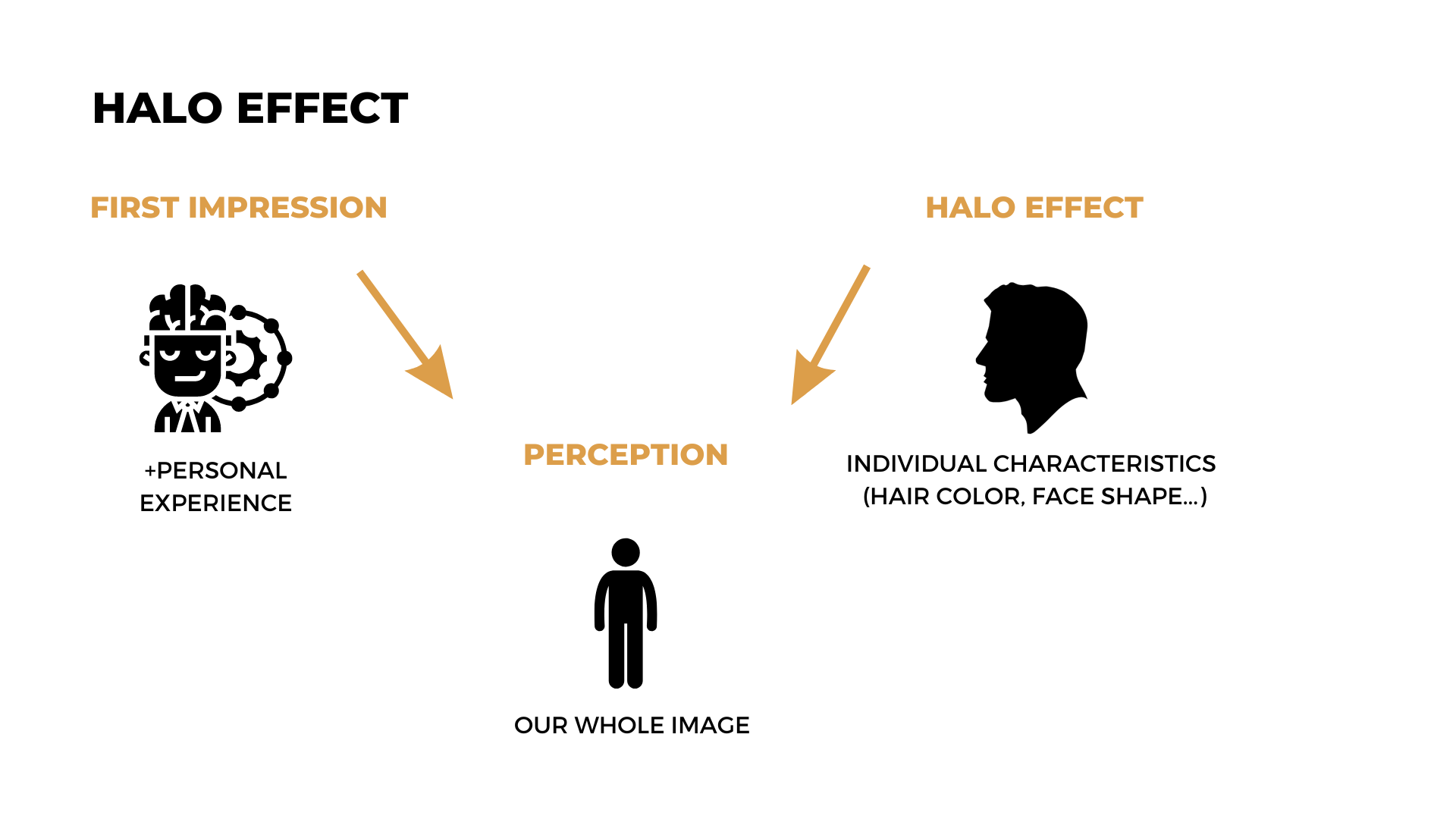
When you hear a company praised for one bright achievement, it’s tempting to assume everything about it shines equally. That instinct, while understandable, is often a cognitive shortcut known as the halo effect. In finance, this bias can steer portfolios toward over‑valued assets and away from hidden opportunities.
Understanding the Halo Effect in Finance
The halo effect occurs when a single positive attribute—say, a charismatic CEO or a recent product win—casts a wide‑reaching, overly favorable light on a firm’s overall outlook. Investors then may underrate risks, overlook red flags, and assign unwarranted premium valuations.
Key Traits That Trigger the Bias
- Media hype surrounding a blockbuster earnings beat
- Celebrity endorsements or high‑profile board members
- Consistently strong ESG scores that mask weaker cash flows
- Historical performance streaks that feel “too good to be random”
Why the Halo Effect Matters to You
Even seasoned analysts can fall prey to this mental shortcut. The real danger isn’t just overpaying for a beloved stock; it’s the ripple effect on portfolio diversification, risk management, and ultimately, long‑term returns.
- Mispriced assets: Overvaluation can erode future upside.
- Neglected alternatives: Strongly favored firms crowd out promising, less‑publicized picks.
- Increased volatility: When the “halo” fades, price swings can be abrupt.
Spotting the Halo Effect in Your Research
Awareness is the first line of defense. Here are practical steps to keep the bias in check:
- Separate facts from feelings. List quantitative metrics—revenue growth, free cash flow, debt ratios—before entertaining narrative-driven praise.
- Cross‑check sources. Compare analyst reports, shareholder letters, and independent research to see where consensus ends and hype begins.
- Reverse the lens. Ask yourself what negative information might be hidden behind the positive glow.
- Use relative valuation. Benchmark the target against peers with similar business models to spot out‑of‑line multiples.
Mitigating the Halo Effect in Portfolio Construction
Integrating a few disciplined habits can curb the influence of halo bias without stifling enthusiasm for genuine winners.
- Set clear entry and exit criteria rooted in fundamentals, not reputation.
- Allocate a portion of capital to “dark horse” stocks that lack media buzz but meet strict financial screens.
- Rebalance regularly, forcing a review that can expose over‑weight positions driven by sentiment.
Real‑World Example: The Tech Giant Surge
During the early 2020s, a major technology firm captured headlines with a breakthrough AI product. Investors rushed in, pushing its price‑to‑earnings ratio well above industry averages. While the AI launch was impressive, deeper analysis later revealed slowing margin expansion and growing regulatory scrutiny. Those who had let the halo drive their decisions saw sizable pullbacks when the narrative shifted.
Bottom Line: Stay Curious, Not Complacent
The halo effect is a natural part of how we process information, but in finance it can be costly if left unchecked. By deliberately dissecting the glittering parts of a story and confronting the less‑shiny details, you give your portfolio a chance to grow on solid ground rather than on the light of a fleeting glow.