What the Second Security Guard Reveals About Workplace Safety
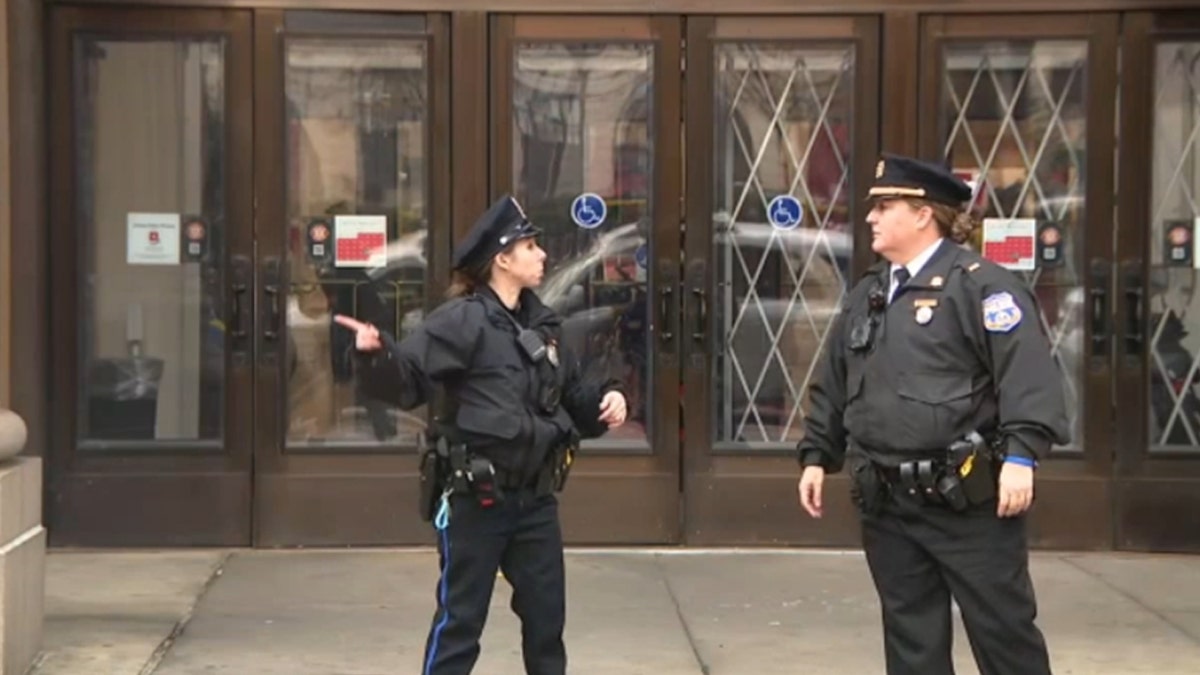
When you hear “security guard,” the image that pops up is often a stoic figure in a crisp uniform, watching the doors and corridors with a steady gaze. Pangela Aguilar, the woman who has spent the past decade as the “second security guard” at a bustling downtown office complex, offers a far richer picture. Her day‑to‑day observations, honed instincts, and quiet leadership have become a surprisingly valuable resource for managers, employees, and even other security professionals.
Seeing the Whole Picture, Not Just the Entrance
Most security protocols focus on the front desk or the main lobby, but Pangela’s perspective stretches across the entire building. “People tend to forget that safety is a continuum,” she says. “A spill in the back‑office pantry or a loose carpet tile on the third floor can be just as dangerous as an unattended visitor at the front gate.”
Because she patrols every hallway, she’s the first to notice minor hazards that would otherwise go unnoticed. Her notebook—filled with scribbles about flickering lights, broken tile strips, and even oddly placed decorative plants—has turned into a de‑facto maintenance log for the management team.
Human Patterns: The Unspoken Rules of Movement
Beyond physical hazards, Pangela has become something of a human‑behavior analyst. “You learn to read the rhythm of a building,” she explains. “The morning rush, the lunch‑hour lull, the late‑night scramble of a few night‑shift workers—each has its own set of risks.”
For instance, she noticed that during the 10 a.m. coffee break, employees tend to congregate near the perimeter windows, creating a bottleneck that makes it harder to evacuate quickly in an emergency. After sharing this observation, the facilities team rearranged the break‑area furniture, opening a clear path that now serves as a secondary exit route.
Key takeaways from her observations
- Timing matters: Identify high‑traffic periods and plan extra monitoring.
- Space usage: Simple rearrangements can eliminate choke points.
- Employee habits: Encourage consistent use of designated walkways.
Communication Gaps and How to Bridge Them
One of Pangela’s most striking insights is the communication gap between security staff and the rest of the workforce. “We’re often the last to hear about a problem, and the first to be asked to fix it,” she remarks with a chuckle. The reason? Many employees assume that security’s job is only to “watch the doors.”
To change that mindset, she initiated a monthly “Safety Spot” meeting—a brief 10‑minute sit‑down where she shares recent observations and invites suggestions. The result? A noticeable drop in repeated incidents, such as misplaced fire extinguishers or blocked emergency lights.
Technology: A Helpful Sidekick, Not a Replacement
While some might expect a high‑tech overhaul, Pangela’s approach to gadgets is pragmatic. She uses a simple digital checklist on her handheld device to log hazards in real time. The data syncs automatically with the building’s maintenance portal, creating a transparent trail of accountability.
She is quick to point out the limits of technology, too. “A camera can capture a spill, but it can’t tell you why it happened,” she says. “Understanding the why often leads to a lasting fix.”
Training the Next Generation of Watchful Eyes
Recognizing that her knowledge is valuable, Pangela has begun mentoring new hires—not only security officers but also junior facilities staff. She runs “shadow days,” where newcomers follow her on a full patrol, learning to spot subtle cues: a door that doesn’t close properly, a fire alarm that sounds slightly off‑pitch, or a colleague who seems unusually stressed.
This hands‑on mentorship has paid off. In one instance, a trainee noticed a faint smell of gas near a conference room that Pangela had missed. The source turned out to be a faulty espresso machine, averting a potential fire.
Balancing Authority and Approachability
Security work can be a delicate dance between enforcement and friendliness. Pangela’s secret? Consistency paired with genuine curiosity. When she asks an employee, “Everything okay with that cable?” she isn’t policing the person; she’s signaling that safety is a shared responsibility.
The result is a workplace atmosphere where staff feel comfortable reporting even minor concerns. “People start to think of me as a resource, not a roadblock,” she says proudly.
Practical Steps for Any Organization
Want to apply Pangela’s insights without hiring a full‑time security consultant? Here are three straightforward actions:
- Walk the floors: Schedule short, random walkthroughs by non‑security staff to spot overlooked hazards.
- Create a simple log: Use a shared spreadsheet or app where anyone can note safety issues in real time.
- Host brief safety huddles: A 5‑minute stand‑up each week keeps safety top of mind and opens a channel for quick feedback.
Implementing these steps can turn a static safety program into a living, breathing system—something Pangela has lived by for years.
Final Thoughts From the Frontline
What makes Pangela Aguilar’s insight especially compelling is that it isn’t born from theory or a fancy certification; it’s forged in the daily grind of watching doors, corridors, and people. Her ability to translate mundane observations into actionable improvements shows that the “second security guard” can be a catalyst for a safer, more responsive workplace.
If your organization still treats security as a mere afterthought, consider inviting someone like Pangela into the conversation. The payoff isn’t just fewer accidents—it’s a culture where everyone, from the receptionist to the CEO, sees safety as a shared, everyday practice.